Ricardo Moreno: following the jaguar’s tracks
- August 4, 2026
By Esther Pang Velasco
Photos: Rommel Rosales, Rikky Azarcoya and Fundación Yaguara
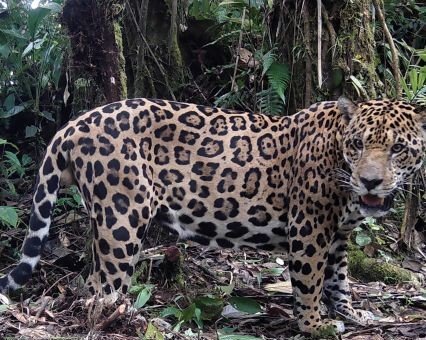
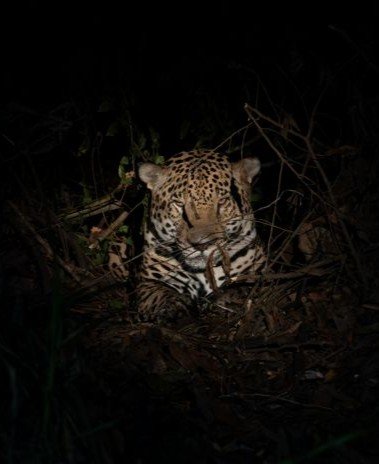
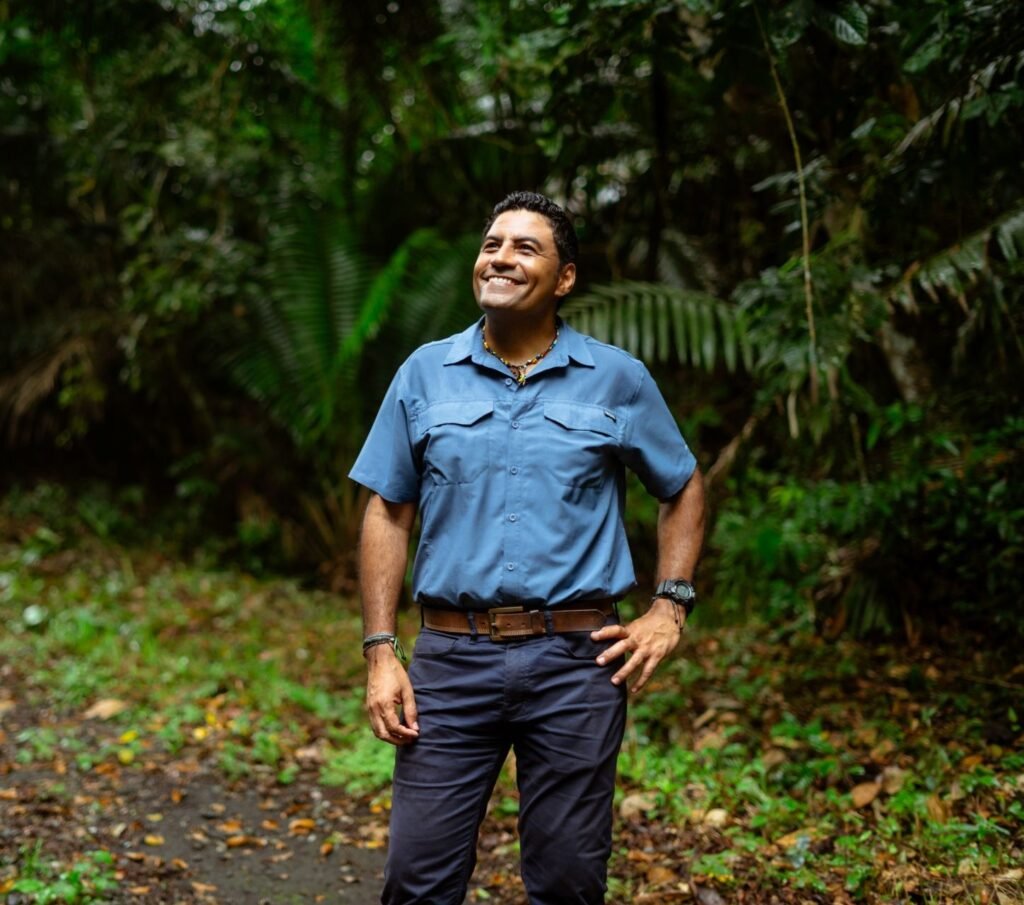
For 27 years, Ricardo Moreno has followed the jaguar’s tracks, but his true mission has been transforming fear into respect. This is the story of a man who realized that protecting the Americas’ most iconic feline begins by changing people’s hearts. It is a journey of science, courage, and hope that proves there is still time to safeguard Panama’s wild soul.
The story behind a nature lover.
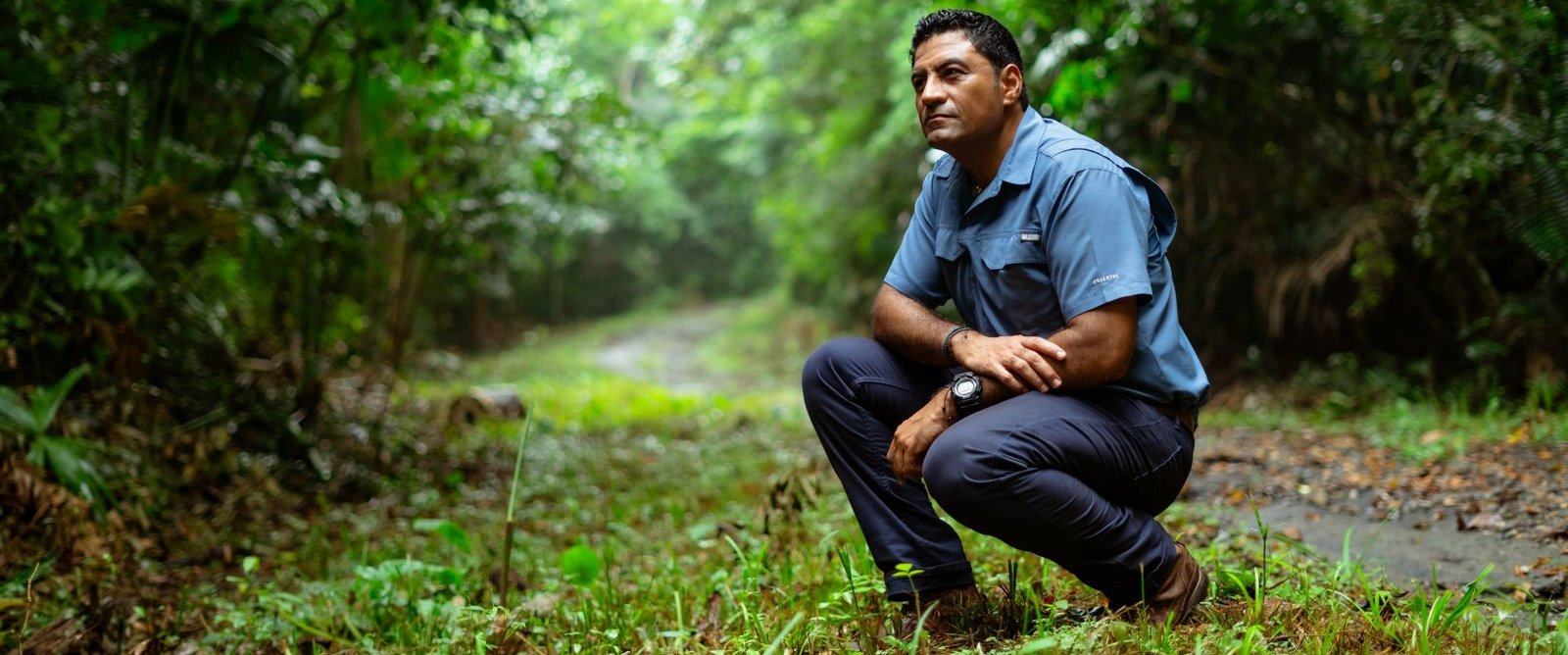
The moment Ricardo Moreno spotted the fresh paw print pressed into the muddy pasture, he dropped to his knees with the excitement of someone who had just uncovered buried treasure. He quickly mixed plaster with water and poured it over the track before rain or wind could erase the evidence that a jaguar had walked here only a few hours earlier.
—“I don’t know why God created jaguars. They should all be killed.”
In the late 1990s, the young biologist realized that the greatest challenge of his life would not be tracking the largest feline in the Americas, but changing the way people perceived it.
Twenty-seven years later, Ricardo Moreno is still following tracks. What drives him today is no longer just the scientific curiosity that first led him deep into Panama’s forests as a young researcher. It is a deeper conviction that the future of the jaguar depends less on the forest itself than on humanity’s ability to reconcile with it.
The curiosity that led him to follow the jaguar´s tracks
Co-founder of Fundación Yaguará Panamá, research associate at the Smithsonian Tropical Research Institute (STRI), and a National Geographic Explorer, Moreno has become one of Latin America’s leading voices in jaguar conservation. Yet his story began long before camera traps, satellite collars, and international conservation projects.
It all started in his mother’s backyard.
While other children spent their afternoons playing, Ricardo could spend hours observing Tao, the family’s cat. He borrowed a video camera to record its behavior and would wake before dawn to follow neighborhood cats. He wanted to understand why they fought, how they communicated, and how they moved. That childhood fascination took on a new meaning when his older brother revealed a fact that would change his life forever.
—“There are jaguars here in Panama.”
From that moment on, he knew he wanted to dedicate his life to those elusive animals.
Saving the jaguar goes beyond science
After studying wildlife conservation in Costa Rica, Moreno returned to Panama convinced that science could make a difference. That conviction led to the creation of Fundación Yaguará Panamá, an organization that combines scientific research, environmental education, and close collaboration with local communities to reduce conflict between ranchers and big cats.
But the forest soon taught him a lesson no textbook ever could.
“At first, I thought this was only about science,” he recalls. “Then I realized I also had to learn about education, psychology, history—even cattle ranching. If we only think like scientists, we will never save the jaguar.”
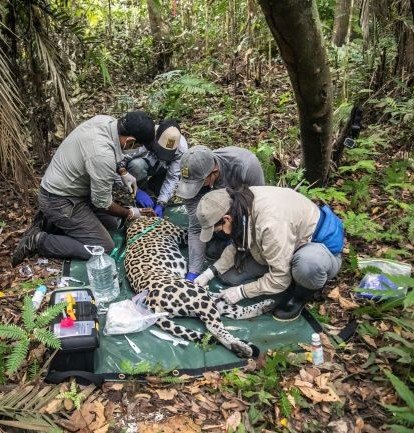
For years, he traveled from one ranch to another, listening to the stories of farmers who had lost livestock and of jaguars killed in retaliation. In Costa Arriba, Colón, he documented sites where numerous big cats had been slaughtered. He also faced situations that put his own life at risk: ranchers who chased him away wielding machetes, another who pointed a shotgun at him, and even death threats after he reported the illegal killing of a female jaguar that was being monitored by his team.
Yet rather than hardening him, those experiences only strengthened his conviction.
“The jaguar’s greatest predator is the human being.”
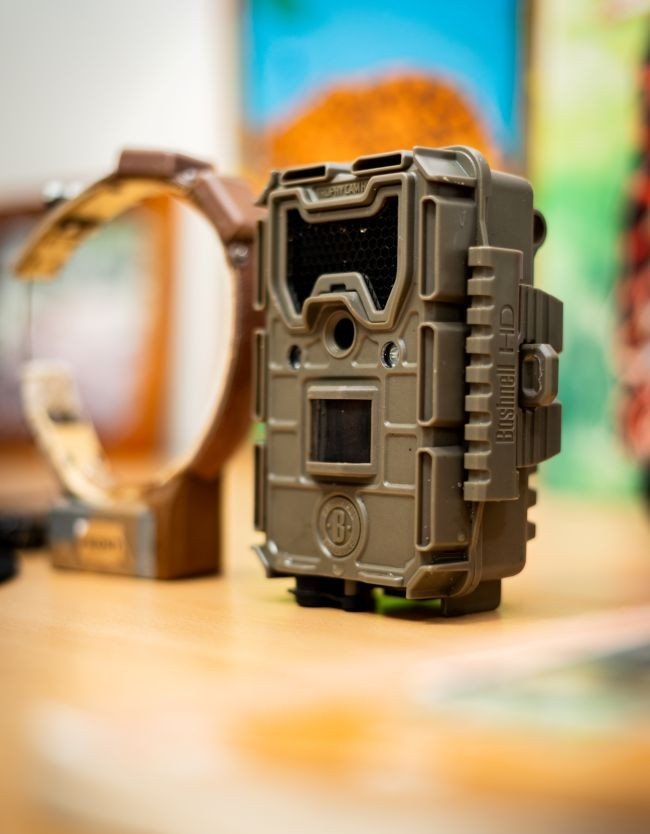
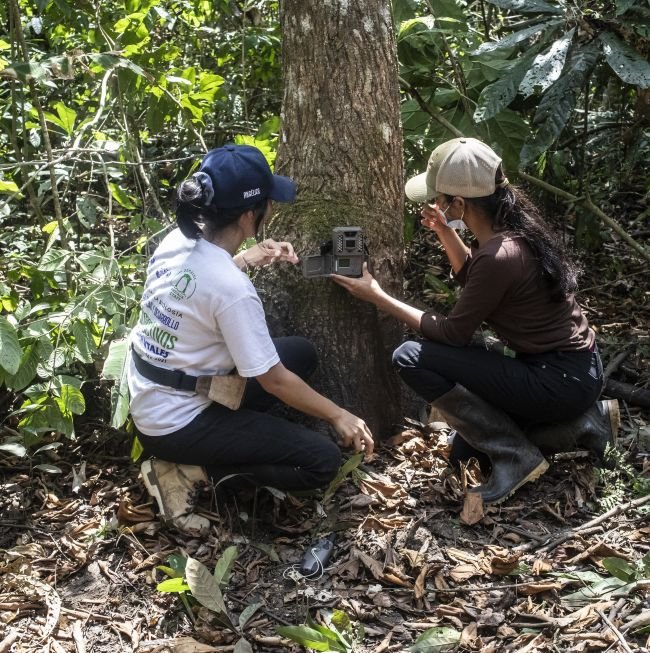
Over the years, many ranchers who once viewed jaguars as enemies began adopting livestock management practices that protected their herds without killing the cats. Camera traps, GPS collars, and long-term monitoring proved that it was possible to reduce livestock losses while conserving wildlife.
“I’m no longer the one convincing them,” Moreno says. “Now they’re the ones telling others that it works.”
Changing the culture to secure the future of the jaguar
To him, that transformation is as meaningful as any scientific breakthrough. His team also discovered that, in many cases, the greatest economic losses on a ranch were not caused by jaguars at all, but by disease, theft, or poor livestock management.
“Changing the culture to secure the future of the jaguar”
That vision has inspired landmark initiatives, including Panama’s first National Jaguar Census and the GEF-7 Jaguars of Panama Project, internationally recognized for its results. Today, Fundación Yaguará is also leading the creation of the country’s first Wild Feline Conservation and Research Center, a facility that will strengthen scientific research, wildlife rehabilitation, and community training.
Yet when Moreno speaks about his greatest accomplishments, he rarely mentions awards, statistics, or international recognition.
Small victories that keep hope alive.
Instead, he remembers the day he received an email informing him that he had been selected as a National Geographic Emerging Explorer. Having grown up reading the magazine and watching National Geographic documentaries, he initially thought it was a prank. When he realized it was real, he broke down in tears.
He also remembers the ranchers who one day decided to put down their rifles; the children who discovered the beauty of a jaguar for the first time during one of his talks; and the people who, after years of seeing the animal as a threat, now call him for advice before taking action.
Those are the victories that give him hope.
Although Panama has already lost a significant portion of the jaguar’s habitat and the species continues to face enormous challenges, Moreno remains convinced that there is still time to change its future. Doing so will require protecting biological corridors, strengthening environmental education, and building partnerships among scientists, ranchers, government institutions, universities, and local communities.
“Conservation isn’t the work of one person. It’s something we achieve together.” .
After decades of following the tracks of an animal that rarely allows itself to be seen, Ricardo Moreno has come to understand that his true mission was never simply to find jaguars.
It was to help people see the forest with respect once again.
If Panama loses the jaguar, it will lose far more than one of the Americas’ greatest predators. It will also lose a living piece of its natural heritage—one that helps define the country’s identity.
And that, Moreno insists, is a loss we still have the power to prevent.
.
Leave a Reply