ExperiencesActivitiesPearls in the Time of Whales
The blue whale pearls

Pearls in the Time of Whales
By: Ximera de la Pava

Photos: Luis Zamora

The Pearl Islands are an archipelago where nature sets the pace. Among humpback whales, crystal- clear waters, reefs, ephemeral sandbanks, and nearly 200 islands, the journey takes you through places like Viveros, Contadora, and Saboga. A destination where biodiversity, history, and local life coexist, and where true luxury lies in exploring the Panamanian Pacific following the rhythm of the sea.

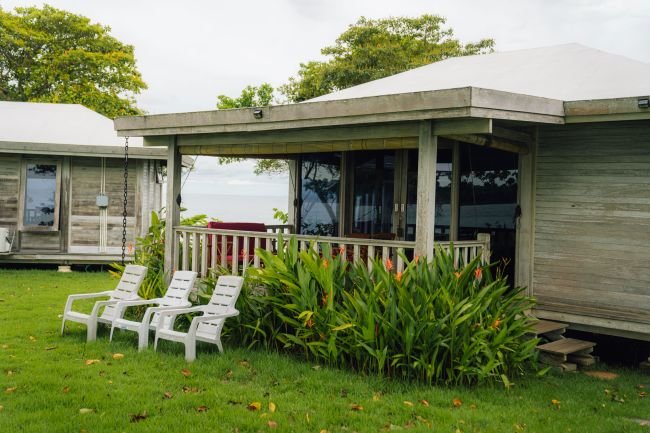
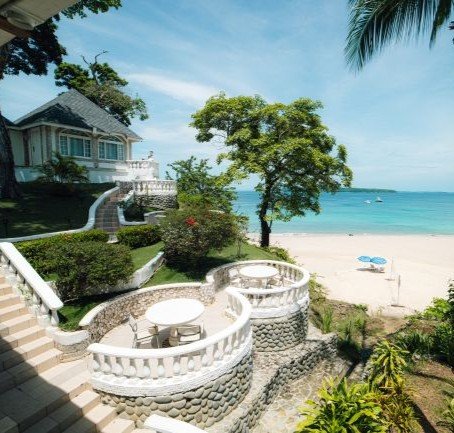
Nature in Pure state, beaches lush and a sea of incredible colors make up the hallmark of the archipelago of Las Perlas. Opposite page: view from the terrace of the Mar y Oro Hotel.

The first thing to appear was not an island. It was a whale.

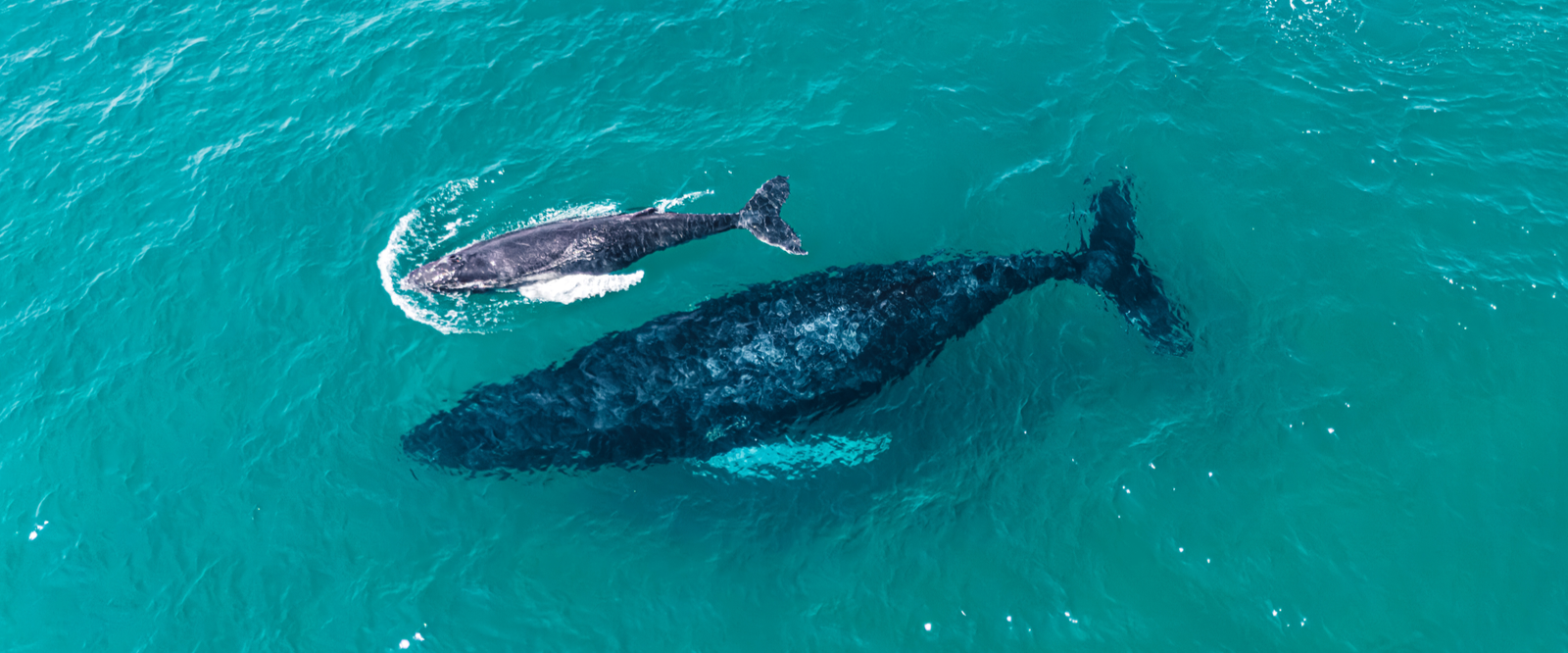
Only a few minutes had passed since we left the dock at Contadora when a column of mist broke on the horizon. Almost instinctively, Pedro Santimateo eased off the throttle of the skiff. Before us, an enormous humpback whale slowly emerged from the water while, beside her, a calf struggled to mimic each of her movements. Silence settled over the boat. The only sounds were the whale’s powerful exhale and the gentle lapping of the waves against the hull.

It was early July. Whale-watching season had not officially begun, yet the Pearl Islands were already offering us their first miracle.

Heading to the heart of the Pearl Islands

We had arrived in Contadora only moments earlier, but our true destination was the archipelago itself. We wanted to navigate its nearly 200 islands, islets, and cays to discover why this corner of Panama’s Pacific coast transforms each year into one of the country’s most extraordinary natural sanctuaries.

To do this, we needed a guide who knew these waters better than almost anyone. Every local pointed us to the same person: Pedro Santimateo. A resident of Saboga, he has spent decades navigating the archipelago and knows every current, every reef, and every beach that appears—or disappears—with the rhythm of the tides.

The Pearl Islands in Whale Time

Every season, Las Perlas becomes a vast maternity ward, where humback whales arrive to give birth amidst leaps and songs.

Las Perlas, cradle of whales

As we headed south, the sea shifted through an endless palette of colors. In places it shimmered turquoise over golden beaches; elsewhere it turned emerald green around fleeting sandbars. Beneath the surface, parrotfish, jacks, manta rays, and reef sharks confirmed that the Pacific has a character all its own. Marine life seems richer here, and the fish somehow larger.

The whale surfaced again a few meters ahead. Pedro smiled.

—They arrived early this year.

He explained that the first to arrive are pregnant females seeking the warm waters of the Pearl Islands to give birth. Weeks later come the males, whose spectacular breaches and haunting songs reach their peak between August and September. Every season, nearly two thousand humpback whales transform this archipelago into a vast nursery before beginning their journey back south.

Where the sea leads the way

When they finally disappeared beyond the horizon, we resumed our course toward Viveros Island. Before long, however, we realized that in the Pearl Islands an itinerary is merely a suggestion. Here, the sea dictates the rhythm of the journey.

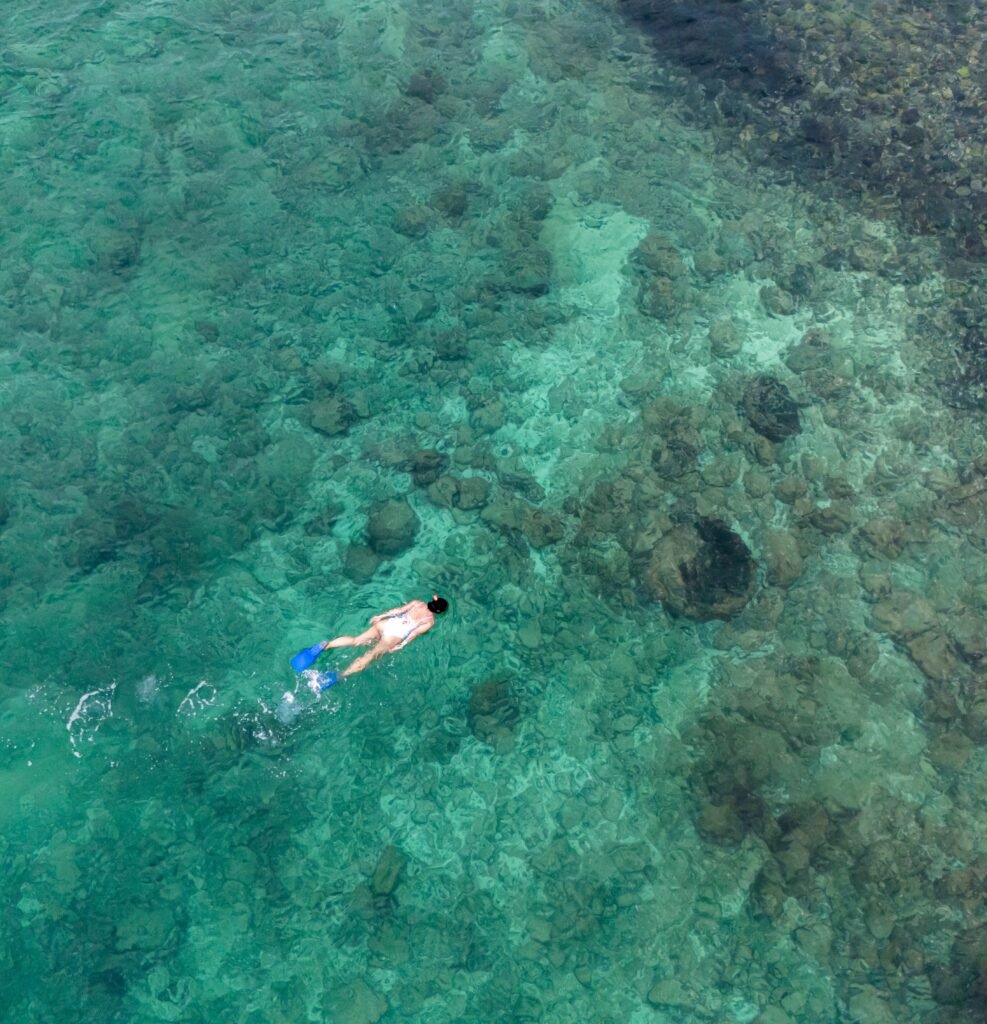
Distances are short, yet every island feels entirely different. Viveros welcomed us with a deserted beach where only the wind and the surf broke the silence. Later, at Caracoles Island, all it took was dipping our heads beneath the surface to discover another world. Giant, brilliantly-colored parrotfish competed for space with a school of needlefish.

Pedro then pointed toward a narrow strip of sand that seemed to float in the middle of the ocean.

—It only exists while the tide allows it.

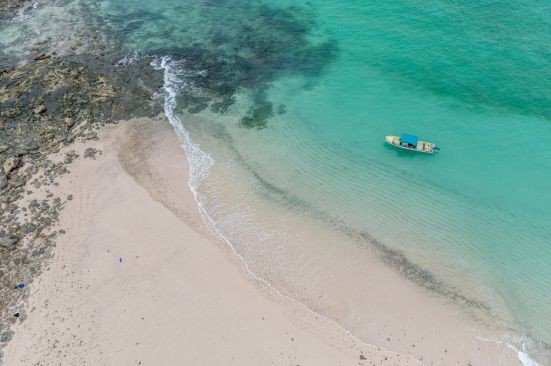
It was Boya Arena, a fleeting sandbar that emerges for only a few hours before disappearing once again beneath the sea. Standing there brings the strange sensation of occupying a place temporarily borrowed from the ocean.

The Pearl Islands in Whale Time

In the Pearl islands, the itinerary is merely a suggestion: the sea sets the pace, and each island reveals a different world.

The Pearl Islands in Whale Time

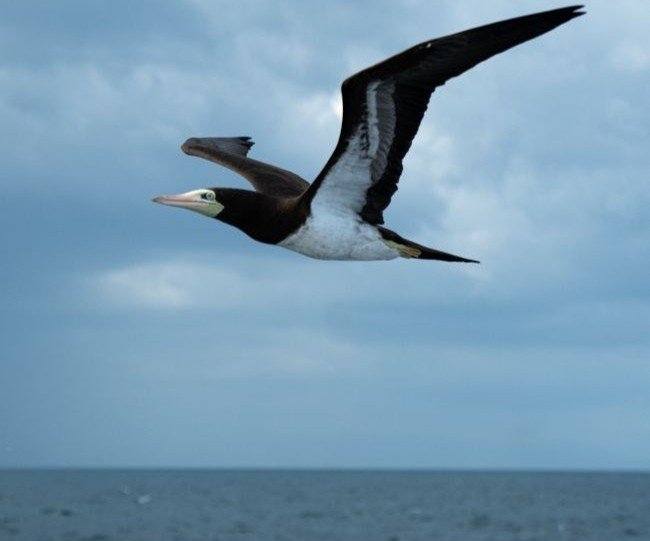
We had lunch at Sunny Island, a hotel and recreation center on Bolaños Island. From there, we continued navigating among the caves and rocky formations of Mogo Mogo before reaching Pacheca and Pachequilla, two islands where thousands of boobies, frigatebirds, pelicans, and cormorants rule the skies while beneath the waves, schools of butterflyfish, angelfish, and trumpetfish weave among rays, moray eels, and sea turtles.

By late afternoon, we understood that the Pearl Islands’ greatest luxury is not their beaches but the opportunity to explore an archipelago where nature still sets its own rules and every landing reveals a new surprise.

Contadora and Saboga: Two Souls, One Archipelago

After a day spent sailing among deserted beaches and reefs teeming with life, returning to Contadora feels unexpectedly calming. Here, the archipelago slows to an easy rhythm, golf carts replace automobiles, and the sea is never more than a short walk away.

With just over three square kilometers of land and eight beaches scattered along its coastline, Contadora has long served as the gateway to the Pearl Islands. Its name dates back to colonial times, when the Spanish used the island to count and sort pearls harvested from the Gulf’s abundant natural oyster beds before shipping them to Europe. Those precious gems brought international fame to these islands long before tourism discovered their shores.

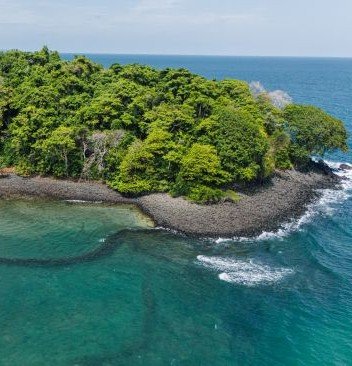
Pedro Santimateo and his son Omar proudly show the beaches of Saboga. On the opposite page, one of the corrals built in the pre-Columbian for the Catching fish at low tide.
Pearls in the Time of Whales
Ironically, the lack of fresh water prevented any permanent settlement for centuries. Everything changed in the 1970s, when entrepreneur Gabriel Lewis Galindo envisioned these beaches as one of the Pacific’s premier destinations. With the construction of an airstrip and the arrival of tourism infrastructure, Contadora became a retreat for the international jet set. A few years later, it also lent its name to the historic Contadora Group, the diplomatic initiative that fostered dialogue and helped pave the way for peace in Central America.

Between the calm of Contadora and the soul of Saboga

Tourism on the island has experienced its ups and downs. Today, however, Contadora retains the charm of understated elegance—a place where luxury is measured not by extravagance but by tranquility. Its beaches invite leisurely walks, while its small pier serves as the departure point for excursions to some of the finest diving and sportfishing sites in Panama’s Pacific waters. As the day draws to a close, restaurants such as Casa Tortuga, an intimate spot full of character, or the terrace at Hotel Mar y Oro provide the perfect setting to watch the sun sink below the horizon.

One final stop remained: Saboga, the island that preserves the soul of the archipelago.. In its quiet streets, fishing nets drying in the sun and conversations drifting between neighbors are reminders that these islands were home to thriving communities long before the first travelers arrived.

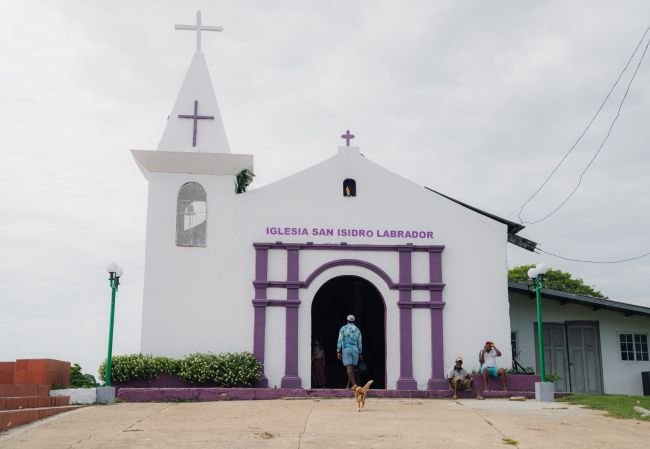
The church of Saboga it was built by the Spanish in the 17th century and is one of the oldest on the Pacific coast that is still in use.
Pearls in the Time of Whales
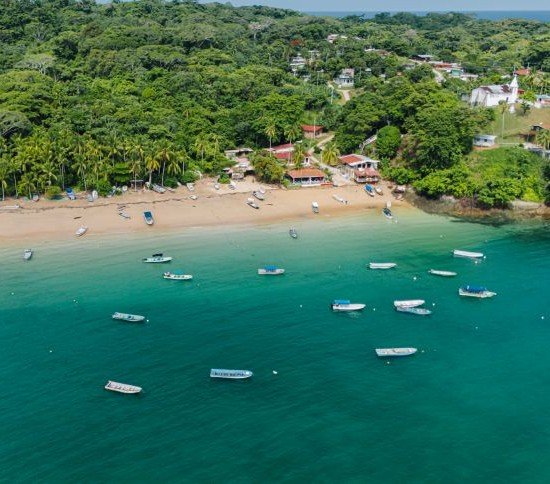
Pedro Santimateo immediately feels that he has come home. He greets nearly everyone we pass as we climb toward San Pedro Church, one of the oldest colonial churches on Panama’s Pacific coast. Later, we explore its shoreline and more than ten remarkably unspoiled beaches. Nearby lie ancient stone fish traps built by Indigenous peoples to catch fish during low tide—a lasting testament to a relationship with the sea that has endured for centuries.

Before we leave, Pedro casts one final glance toward the horizon.

—In a few weeks, this place will be full of whales.

He doesn’t need to check a calendar. He knows they will return, just as they have every year since long before there were hotels, ferries, or tourist routes.

As our boat pulls away from the dock, the setting sun paints the Pacific in shades of copper. For a few brief moments, the sea lies perfectly still. Then, in the distance, an enormous tail fluke breaks the surface before slowly disappearing beneath the waves.

The archipelago bids us farewell in exactly the same way it welcomed us.

Pearls in the Time of Whales
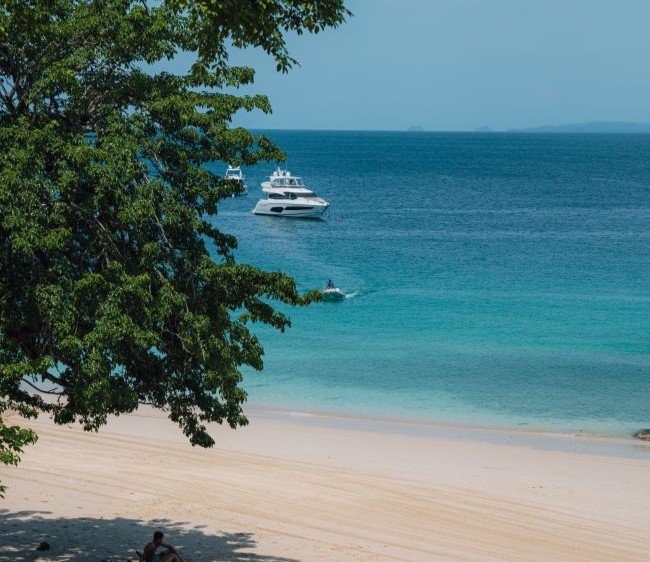
Bolaños Island is one of the main Yacht destinations departing private parties of Amador for Day trips.

How to Get There?

By ferry: Sea Las Perlas operates daily ferry service from the Flamenco Marina in Amador to the Pearl Islands.

By air: Travelers now have two options for reaching the islands by small aircraft. World Service Tour operates daily flights (information: +507 6164-4893), while Fly Trip offers weekend flights departing from Marcos A. Gelabert Airport in Albrook.

Where to Stay?

  • 4 Elements – A luxury boutique hotel with just eight rooms and a spa.
  • Mar y Oro – A comfortable beachfront hotel.
  • La Romántica.
  • Hostal Los Cedros.
  • Avan Eco Hotel.
  • Contadora Island Inn.
  • Casa del Sol.
  • Hibiscus House.
  • Property House.
  • Hotel y Restaurante Gerald.

Para buceo y snorkel

Scuba Contadora
Tel.: 6792-0457

Leave a Reply

Your email address will not be published. Required fields are marked *

aa