
Central AmericaHands that create
Craft

Hands that create

By Esther Pang Velasco
Photos: Javier A. Pinzón

Panama is land full of talent. for generations, its artisans have shared knowledge that lives on among us as intangible heritage. From functional and ornamental crafts to those that can be tasted, the richness of our traditions, the blend of our peoples, and the stories of our ancestors are appreciated in handmade pieces.

In the remote reaches of La Pintada district, in Coclé Province, artisans patiently weave three types of fiber to craft hats that are later sold at the town market or taken to Panama City for artisan fairs.

The Painted Hat

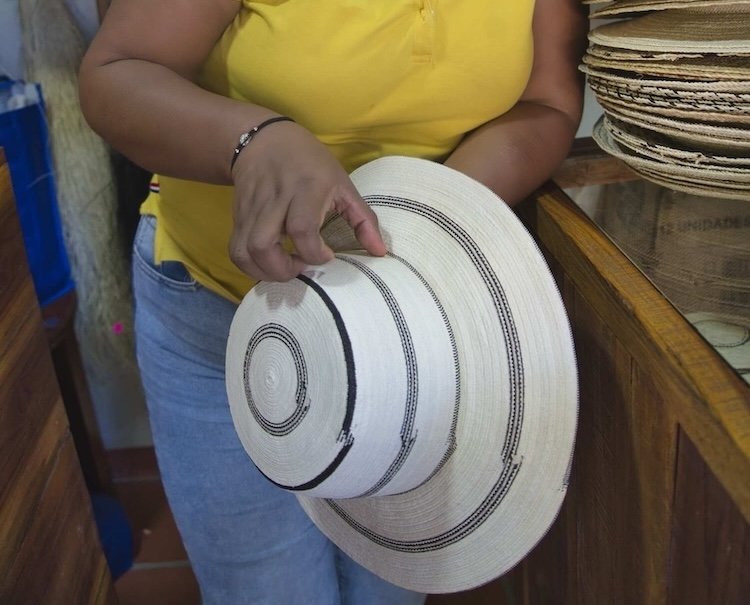
Recognized by UNESCO as part of the Intangible Cultural Heritage of Humanity for its weaving technique, the painted hat (sombrero pintado) is one of Panama’s most iconic artisanal expressions. Made from plant fibers, it is commonly worn for everyday work in the countryside. It is also used as an elegant accessory for special occasions and is even featured in some traditional women’s folkloric attire. Its production can take anywhere from five days to several months, depending on the complexity of the weaving pattern, and its value increases accordingly.

Cutarras

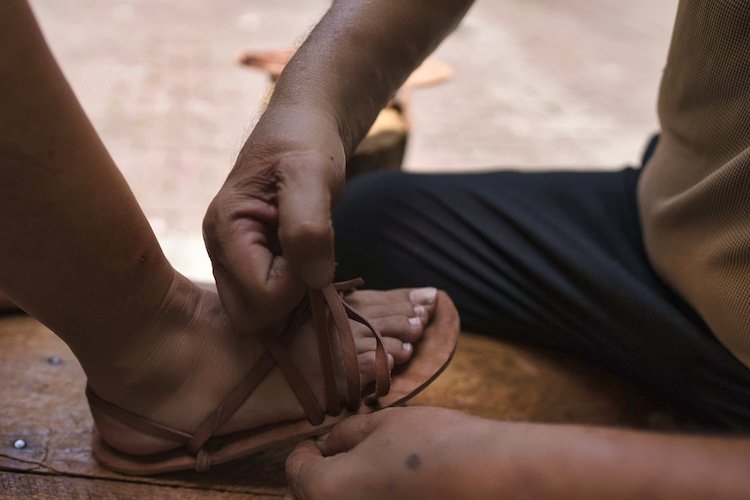
Cutarras are the traditional footwear of Panamanian farmers. They are made from cowhide, which must first be cured for about 15 days and then dyed with mangrove bark to achieve its distinctive reddish color. Choosing a custom-made pair allows one to become part of the artisanal process while admiring the skill of the craftsperson at work. To create them, the artisan shapes the soles according to the wearer’s size, punches holes for the leather straps, and then weaves the straps directly onto the foot until the sandals fit perfectly.

Enjoy an authentic experience at the Salsipuedes Market in Panama City´s Historic District, Ask artisan Anastasio "Tacho" Moreno to design and craft a pair of custom-made cutarras for you right before your eyes.

Traditional Goldsmithing

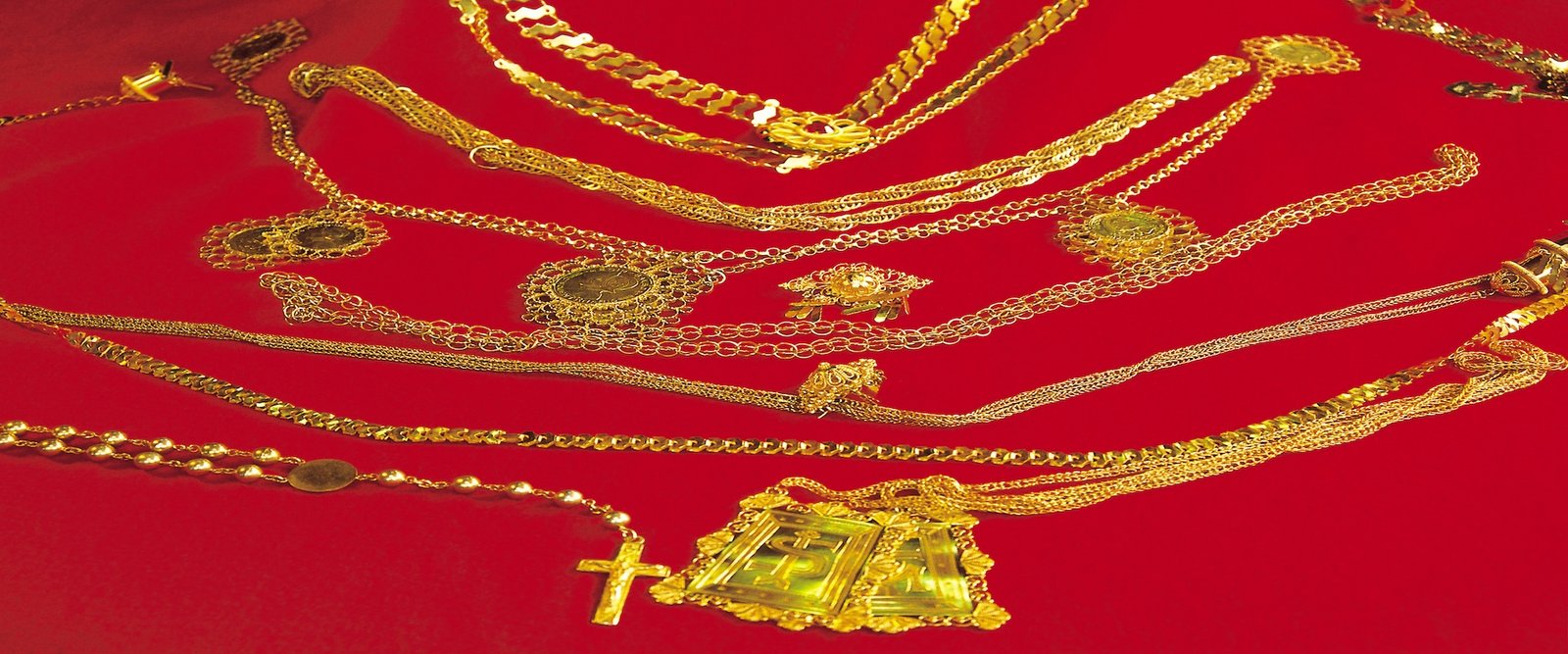
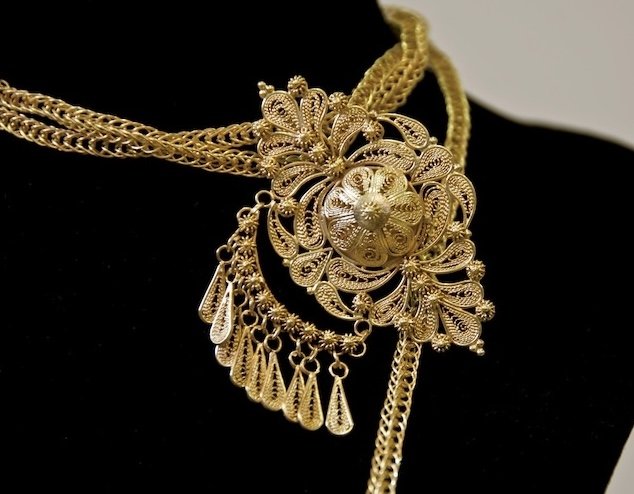
For generations, goldsmiths have been responsible for crafting the jewelry worn with the pollera, Panama’s national dress. They skillfully work with metals such as gold and silver, combining them with precious and semi-precious stones to create the many chains, earrings, and other adornments that complement the traditional costume. These pieces are often inspired by local flora and fauna or reflect elements of Christianity. This craft tradition has evolved with the creativity of its artisans, who now offer contemporary adaptations for everyday wear inspired by these treasured jewels.

Molas

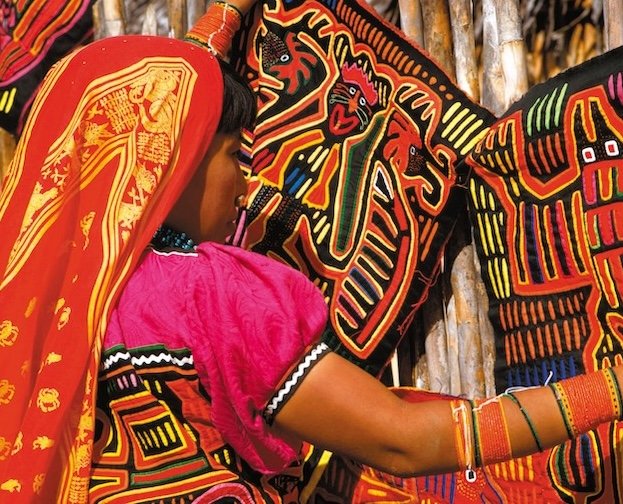
If there were a craft that could serve as Panama’s ambassador to the world, it would surely be the mola. Its popularity among both locals and visitors is undeniable. The vibrant colors of the Caribbean, the biodiversity of our lands, and the history of the Guna people are all reflected in this textile art form. Molas are created by layering and stitching pieces of fabric together, allowing Guna artisans to form abstract geometric designs that give the craft its distinctive aesthetic. They can be admired as part of the traditional dress of Guna women or as rectangular textile panels that are often framed and displayed as artwork.

Molas
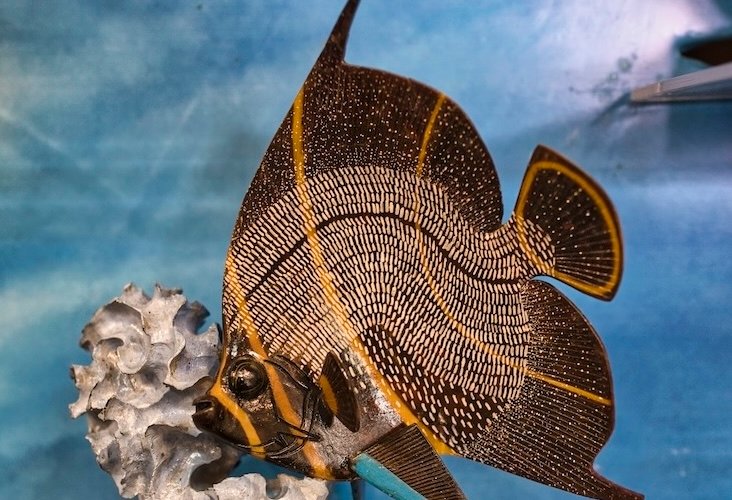
Octaviano is an Emberá artisan who has elevated the artof tagua carving to a masteful level. Pieces such as the morpho butteflyand the seahorse stand out for their remarkableattention to detail.
Octaviano is an Emberá artisan who has elevated the art of tagua carving to a masteful level. Pieces such as the morpho buttefly and the seahorse stand out for their remarkable attention to detail.

Tagua Carvings

Also known as vegetable ivory, tagua is the seed of the Phytelephas macrocarpa palm. Once dried in the sun, it becomes a material suitable for carving. Emberá-Wounaan artisans transform tagua into a wide variety of objects, including jewelry and keychains. Particularly striking, however, are the tagua sculptures, which are notable for their vivid colors and remarkable realism, even in miniature pieces.

Traditional Sweets

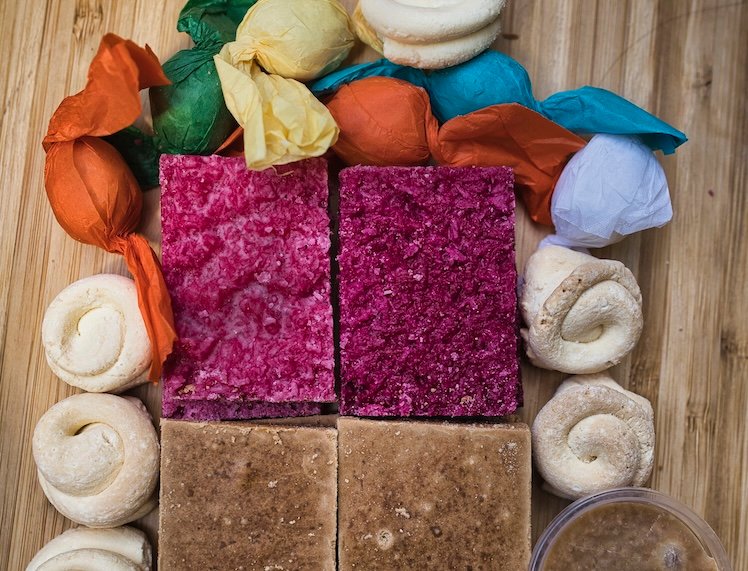
Ingredients such as coconut, milk, corn, and tropical fruits play a leading role in the culinary expressions of Panama’s living heritage. Huevitos de leche (milk candies) wrapped in colorful paper; suspiros and meringues, made from egg whites and sugar; and cocadas, prepared with coconut and honey, are just a few of the traditional sweets that can be found throughout the country. Although fleeting by nature, their flavors endure in memory, creating sweet and lasting recollections.

Traditional Sweets
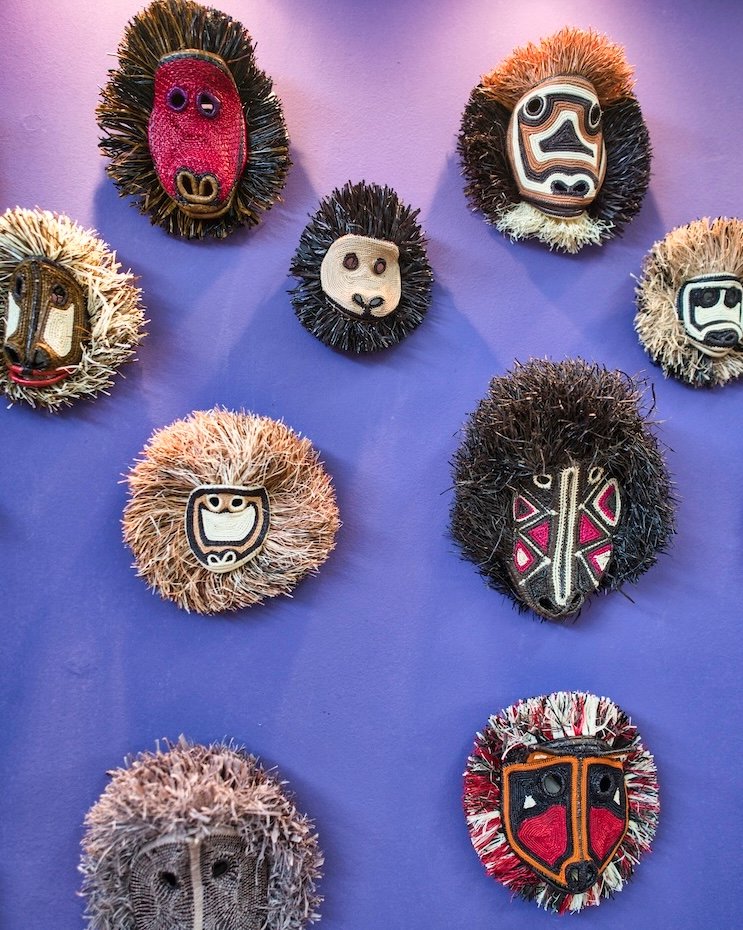
Fine chunga-palm weavings and cocobolo wood carvings such as theeagle sculptures created by master artisan Alex Mapakito- reach extraordinary levels of craftmanship in the forests of Darien. From there, artisans travel to the National Handicrafts Fair.
Fine chunga-palm weavings and cocobolo wood carvings such as the eagle sculptures created by master artisan Alex Mapakito- reach extraordinary levels of craftmanship in the forests of Darien. From there, artisans travel to the National Handicrafts Fair.

Weavings and Carvings

The Emberá and Wounaan peoples lived for centuries in the forests of Darién, gradually developing close cultural ties. Some accounts suggest that it was the Wounaan who taught the Emberá techniques of weaving and wood carving. The Emberá, in turn, were renowned for their extensive knowledge of medicinal plants.

Chunga fiber weaving is so finely crafted that it is naturally water-resistant. It is primarily a women’s craft, although harvesting the fiber from tall palms and removing the spines is traditionally men’s work.

Wood carvings, meanwhile, are genuine works of art. Amado Dickert, of Reprosa, notes that Alexx Mapakito´s cocobolo eagle carvings are instantly recognizable because of their precise proportions and meticulous feather detailing. His pieces can command prices of several hundred dollars.


From July 29 to August 2, the National Handicrafts Fair will take place at the Atlapa Convention Center. It is a unique opportunity to meet master artisans from different regions of the country in person.
At the Reprosa workshop, located in Costa del Este, visitors can also enjoy the Tesoros de Panamá experience, a guided tour that showcases the craftsmanship and production processes behind a variety of traditional Panamanian handicrafts.

Address: Calle 1ra, Parque Industrial, Costa del Este.

Craft Markets

  • Salsipuedes Market
    Avenida B and 13th East Street, Santa Ana
  • Panamá Viejo Artisan Center (Panama City)
    Avenida Cincuentenario, next to the Panamá Viejo Museum.
  • Balboa Artisan Market
    Arnulfo Arias Madrid Avenue, near the Balboa Pier.
  • Market of the Americas
    Central Avenue, steps from the 5 de mayo Metro Station
  • El cruce Market
    Central España Avenue, near the 5 de mayo Metro Station
  • Viaduct Market
    Beneath the 3 de noviembre overpass, near Balboa Avenue

More about the 2026 FIFA World Cup

Leave a Reply

Your email address will not be published. Required fields are marked *

aa