Three Cities, One World Cup
- April 14, 2026
Ten World Cup host cities are connected by Copa Airlines through its Hub of the Americas in Panama City. In the months leading up to the tournament, we invite you to plan your itinerary and combine soccer with culture, history, and great food. In this edition, we highlight Mexico City, Guadalajara, and Toronto.
Mexico City: As Ancient as It Is Modern
Few cities combine history and urban energy like Mexico City. Founded more than seven centuries ago as the Aztec capital of Tenochtitlan, today it brings together pre-Hispanic ruins, colonial architecture, contemporary galleries, and one of the most vibrant culinary scenes on the planet.
To understand the country’s cultural roots, the National Museum of Anthropology is an essential stop. Its galleries house some of the most important pieces from Mesoamerican civilizations, including the famous Sun Stone. Nearby, the Museum of Popular Art celebrates the artisanal creativity that remains alive throughout Mexico.
Mexico City is a crossroads of eras: a city where ancient history and contemporary energy coexist in every corner.
Mexico City: between history, flavor, and the present.
In the Historic Center past and present continuously intersect. Here you will find the ruins of the Templo Mayor, Diego Rivera’s murals, and colonial buildings surrounding the Zócalo, one of the largest public squares in the world. The city also pulses in neighborhoods such as Roma, Condesa, and Juárez, where restaurants, cafés, galleries, and boutiques coexist among early 20th-century architecture and an increasingly visible international creative community.
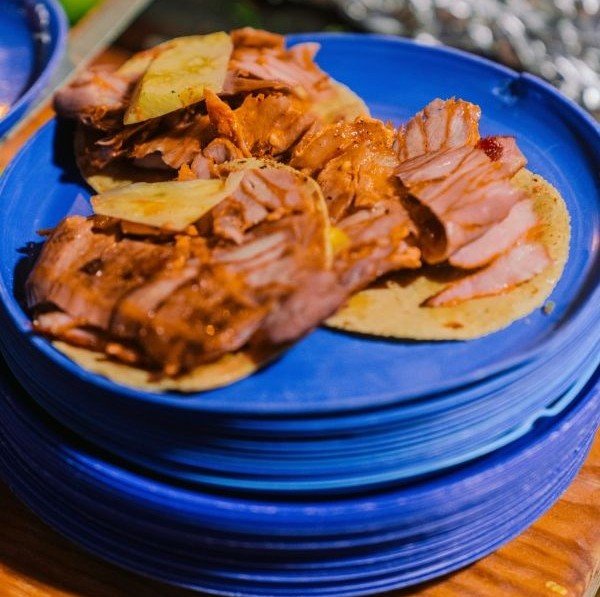
Gastronomy is one of the city’s great cultural engines. From contemporary restaurants to family-run fondas, the capital offers endless ways to explore the richness of Mexican cuisine. At night, natural wine bars, inventive cocktail spots, and artisanal mezcal venues energize a nightlife scene as diverse as the city itself.
The Other Side of Mexico City.
Discover an unexpected landscape within the metropolis by visiting the canals of Xochimilco, which preserve part of the ancient lake system of the Valley of Mexico. Among colorful trajineras and agricultural chinampas, it is still possible to imagine the city before its modern expansion.
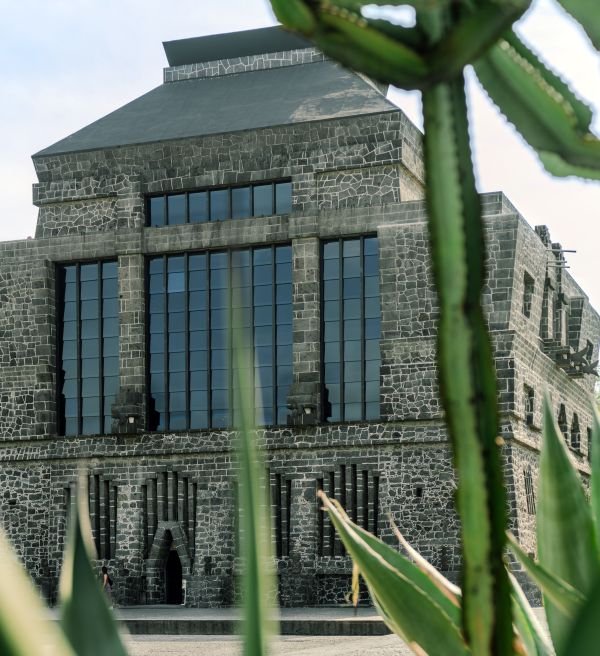
Another fascinating site is the Anahuacalli Museum, the volcanic stone temple conceived by Diego Rivera to house his collection of pre-Hispanic art.
During the World Cup, Mexico City promises to be much more than a sports venue: it will be a constant festival of culture, food, and urban life.
In Mexico City, among ancient canals and temples of art, the past remains alive while the present unfolds as a constant celebration of culture.
The Temple:
Estadio Azteca (officially referred to as Estadio Ciudad de México during the tournament) has been renovated to preserve its legendary aura while meeting elite standards. Here, where Pelé and Maradona were crowned world champions, Mexico will kick off the tournament on June 11.
FIFA Fan Festival™:
The heart of the celebration will be the Zócalo. Plaza de la Constitución will host the largest LED screen in the city (510 m²) displaying the competition. With the theme “México Vibra,” fans will be able to follow all 104 matches with the National Palace as a backdrop and concerts at the nearby Auditorio Nacional.
Eat:
Gaba (Condesa); Comal Oculto (San Miguel Chapultepec); Charco (Cacao & Chocolate Museum); El Gallo de Oro, open since 1874
Drink:
Fantasma (Roma); Lagerbar Hércules (Condesa); Ahuehuete (Historic Center); Bósforo, a reference for agave spirits
Dance:
Drama Radio Bar (Roma); Club San Luis, live salsa; Barba Azul (Colonia Obrera)
Guadalajara: Tradition, Design, and Tapatío Spirit
About 500 kilometers west of the capital lies Guadalajara, a city where some of Mexico’s most emblematic traditions coexist with an expanding contemporary cultural scene.
Known as the birthplace of mariachi and charrería—the national equestrian sport—Guadalajara is also an important center of art, architecture, and gastronomy. Its mild climate, tree-lined plazas, and relaxed pace make it one of the country’s most pleasant cities to explore.
One of its most impressive landmarks is the Instituto Cultural Cabañas, a former 19th-century hospital and orphanage that has been declared a UNESCO World Heritage Site. Inside, murals by José Clemente Orozco stand out for their dramatic intensity.
A Lush City
Just a few steps away lies the enormous San Juan de Dios Market, where visitors can immerse themselves in Mexican popular culture among food stalls, handicrafts, and traditional products.
The city is also distinguished by creative neighborhoods such as Colonia Americana, where galleries, cafés, and design studios coexist with historic architecture. Here, the University of Guadalajara’s Museum of the Arts presents contemporary exhibitions in dialogue with the country’s artistic traditions.
Guadalajara: culture, flavor, and living tradition.
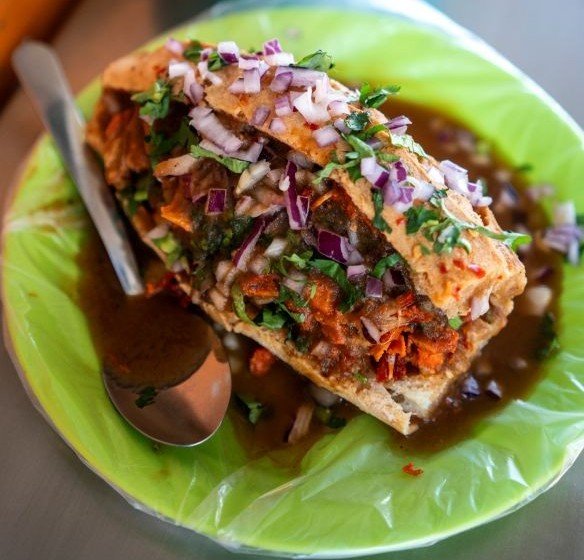
Local cuisine is another major attraction. Among the city’s iconic dishes is the torta ahogada—a sandwich drenched in spicy sauce—along with many corn-based street snacks.
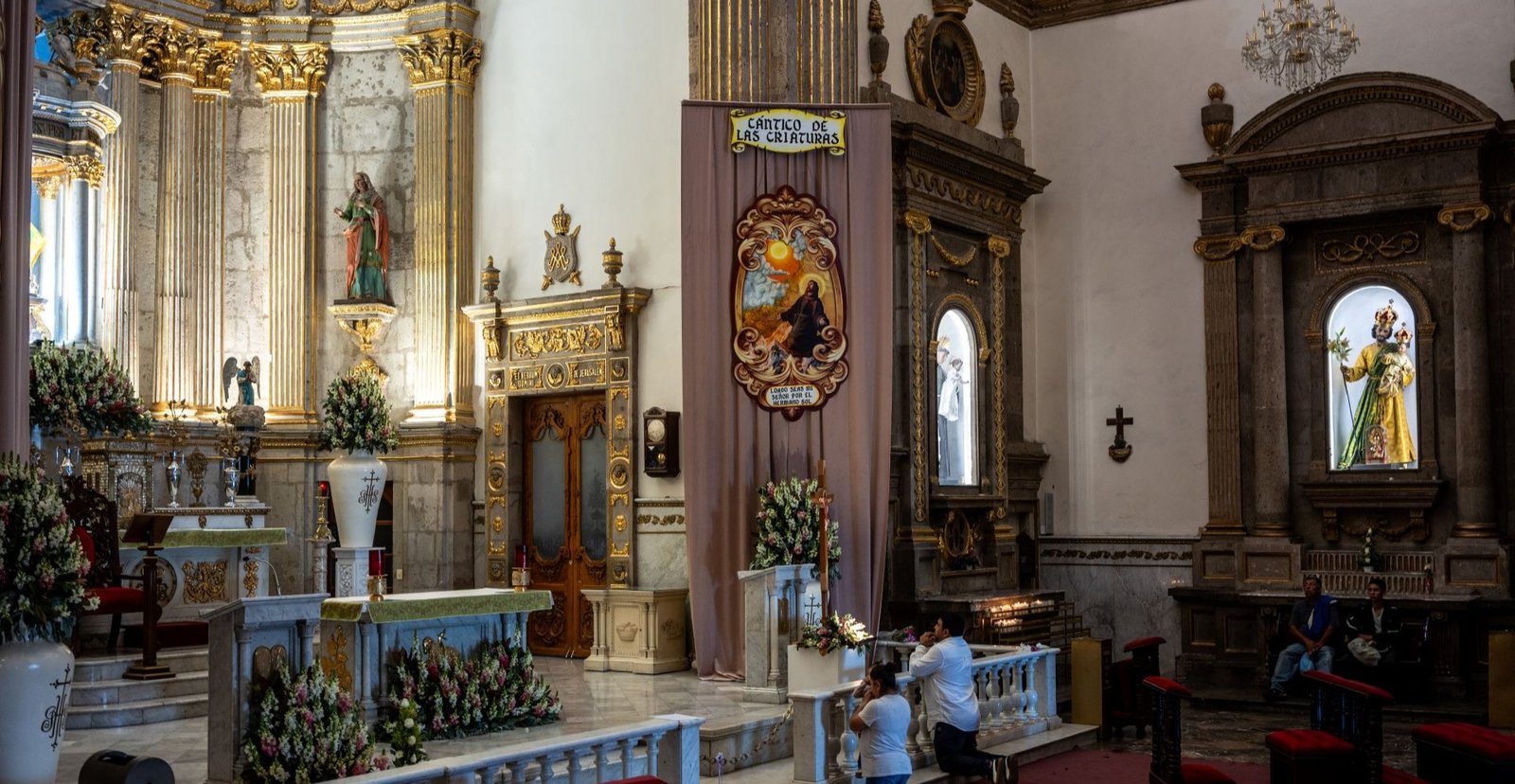
For a natural escape, Bosque Los Colomos offers tranquil trails and gardens. Nearby, in Zapopan, stands the historic Basilica of Our Lady of Zapopan.
A short distance away is Tlaquepaque, a district filled with galleries, ceramic workshops, and colorful streets devoted to artisanal traditions.
During the World Cup, Guadalajara will combine its passion for soccer with a cultural and culinary atmosphere that is hard to match.
The Stadium:
Estadio Guadalajara (Estadio Akron) stands out for its crescent-shaped design and integration with the landscape of Zapopan. With a capacity of 48,000 spectators, it will host the Mexican national team’s debut in the city on June 18.
FIFA Fan Festival™:
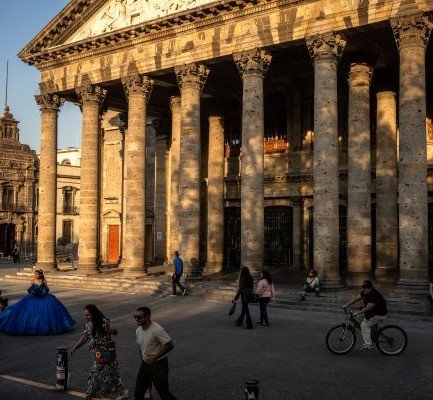
The official gathering point will be Plaza de la Liberación in the Historic Center, between the Metropolitan Cathedral and Teatro Degollado.
Eat:
Piggy Back (creative chilaquiles); Santo Coyote (buffet brunch); La Chata de Guadalajara; Tortas Ahogadas El Profe Jiménez; Yunaites at Mercado IV Centenario; Mis Negras Intenciones (artisanal chocolate)
Drink:
El Gallo Altanero, cocktails featuring Mexican spirits
Toronto: Diversity, Art, and Urban Energy
One of the most diverse cities in North America. Its multicultural neighborhoods, vibrant arts scene, and global gastronomy reflect a cosmopolitan metropolis that, during the World Cup, will blend sport with urban culture.
Few cities reflect the cultural diversity of the 21st century better than Toronto. Canada’s largest city is a mosaic of multicultural neighborhoods, emerging art scenes, and gastronomy that brings together flavors from around the world.
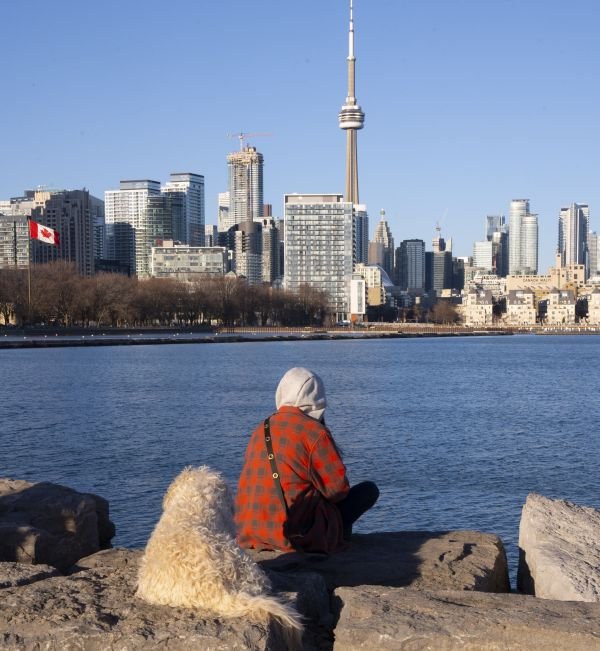
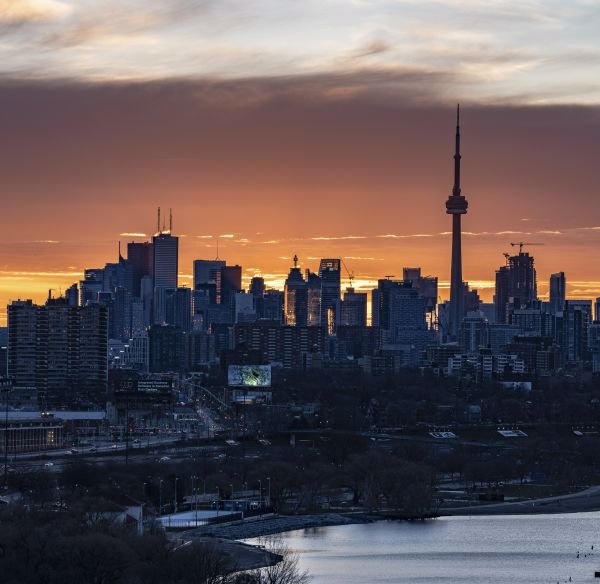
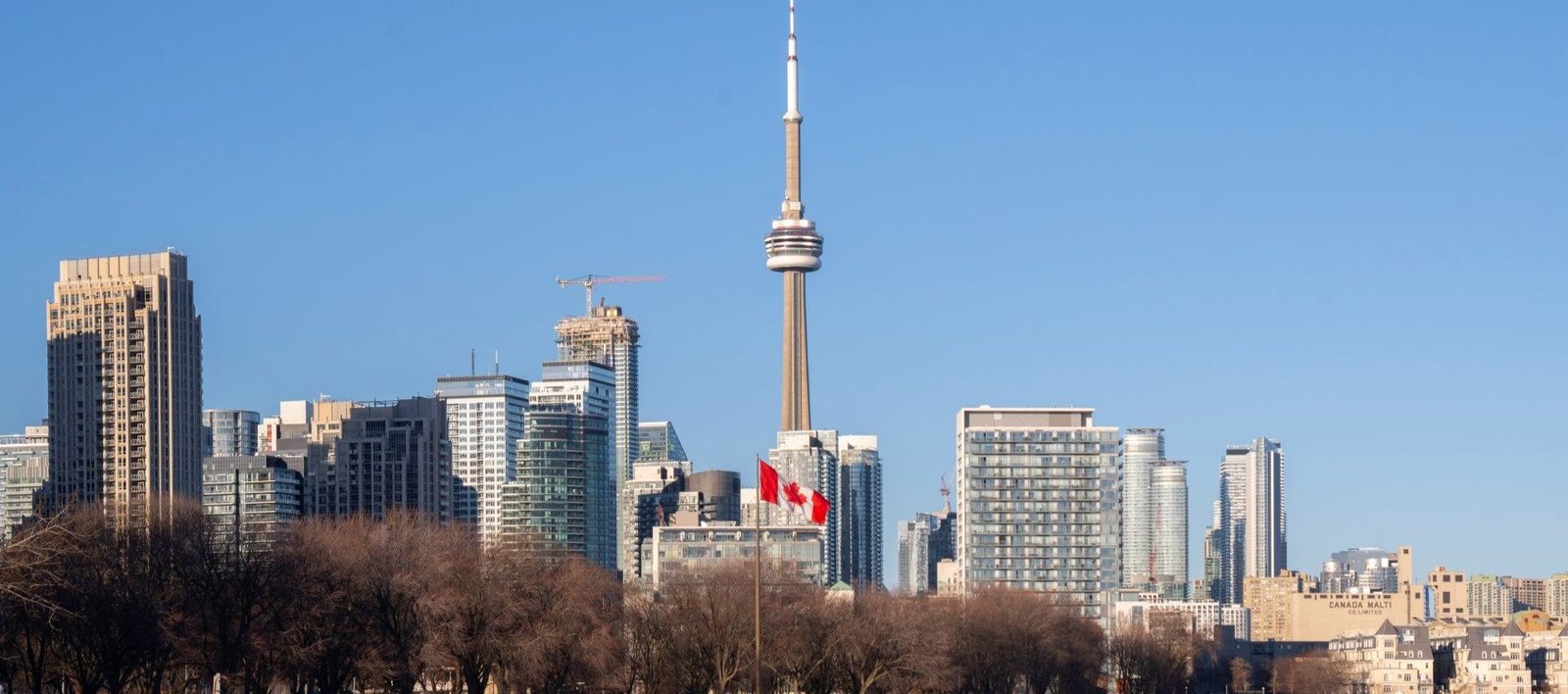
A great way to begin exploring is by walking along the shores of Lake Ontario. From Trillium Park, you can enjoy some of the best views of the skyline, which is dominated by the iconic CN Tower.
Neighborhoods such as Kensington Market are filled with restaurants, independent shops, and markets where Caribbean, Asian, European, and Latin American influences converge.
One of the cities most diverse In North America. Its neighborhoods multicultural, its vibrant scene artistic, and its global gastronomy reflect a cosmopolitan metropolis that in the World Cup will combine sport with culture urban
Art, Music, and Creativity in the City.
Live music is part of the city’s cultural DNA. The historic Massey Hall, recently renovated, has been one of Canada’s most important concert venues for more than a century.
On weekends, the Evergreen Brick Works market brings together local producers, chefs, and artisans in one of the city’s most interesting gastronomic spaces.
Toronto is also home to unique museums such as the Gardiner Museum and the Bata Shoe Museum, dedicated to the cultural history of footwear. The contemporary scene is reflected in the Museum of Contemporary Art Toronto, located in a former industrial building now transformed into a cultural center.
Although the ocean is far away, the city offers long urban beaches along Lake Ontario. The neighborhood known as The Beaches is ideal for strolling by the water.
During the 2026 World Cup, Toronto will offer an irresistible blend of culture, gastronomy, and urban energy.
Toronto is a city where music, art, and gastronomy coexist naturally, creating a cultural energy that extends from its stages to the lakeshore.
The Temple:
Toronto Stadium (BMO Field) has expanded its capacity to hold more than 45,000 fans. Located along Lake Ontario, it is a compact-yet-vibrant stadium that will host the Canadian national team’s debut on June 12.
FIFA Fan Festival™:
The official venue will be Fort York National Historic Site and The Bentway, a space that combines history and urban design beneath the Gardiner Expressway.
Eat:
Sunny’s Chinese (Kensington Market); Patois (Caribbean-Asian cuisine); Taverne Bernhardt’s (Dundas Street West); White Lily Diner (Riverside)
Drink:
Cry Baby Gallery; Bowie, a hidden lounge beneath a laundromat
Sing:
Bathurst Local, a laid-back bar with private karaoke rooms
Learn more about the World Cup cities
Three Cities, One World Cup
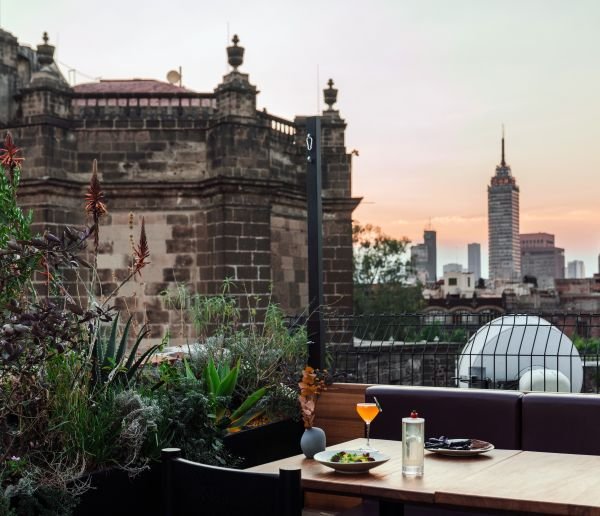
Three Cities, One World Cup: Mexico City, Guadalajara, and Toronto combine football, culture, and gastronomy in a unique experience.
Leave a Reply