ExperiencesCharactersThe Beachers: Sixty Years On, the Party Continues
The-Beachers-Calypso

The Beachers: Sixty Years On, the Party Continues
By Esther Pang Velasco

Photos: Javier Pinzón y Rogelio Ward

The performers behind classics like “África Caliente,” “Ese mar es mío,” and “My Mami” are celebrating six decades of musical achievement, camaraderie, and Panamanian pride. Through their music, they have brought joy around the world as cultural ambassadors of Panama. Today, they take the stage alongside a new generation that promises to keep the rhythm of this Caribbean celebration going.

The Beachers

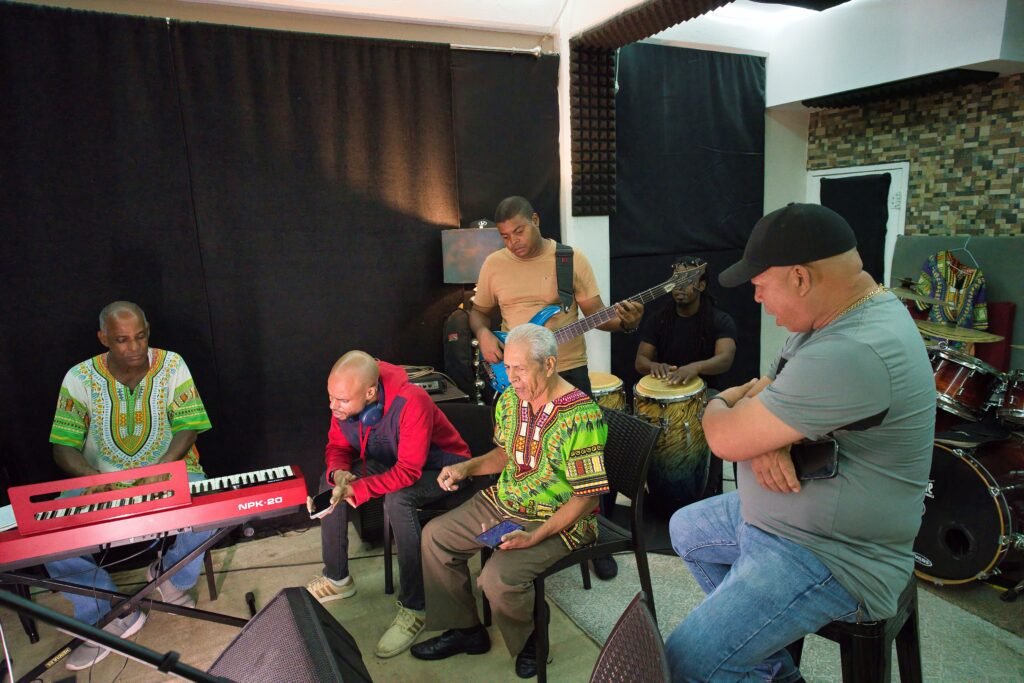
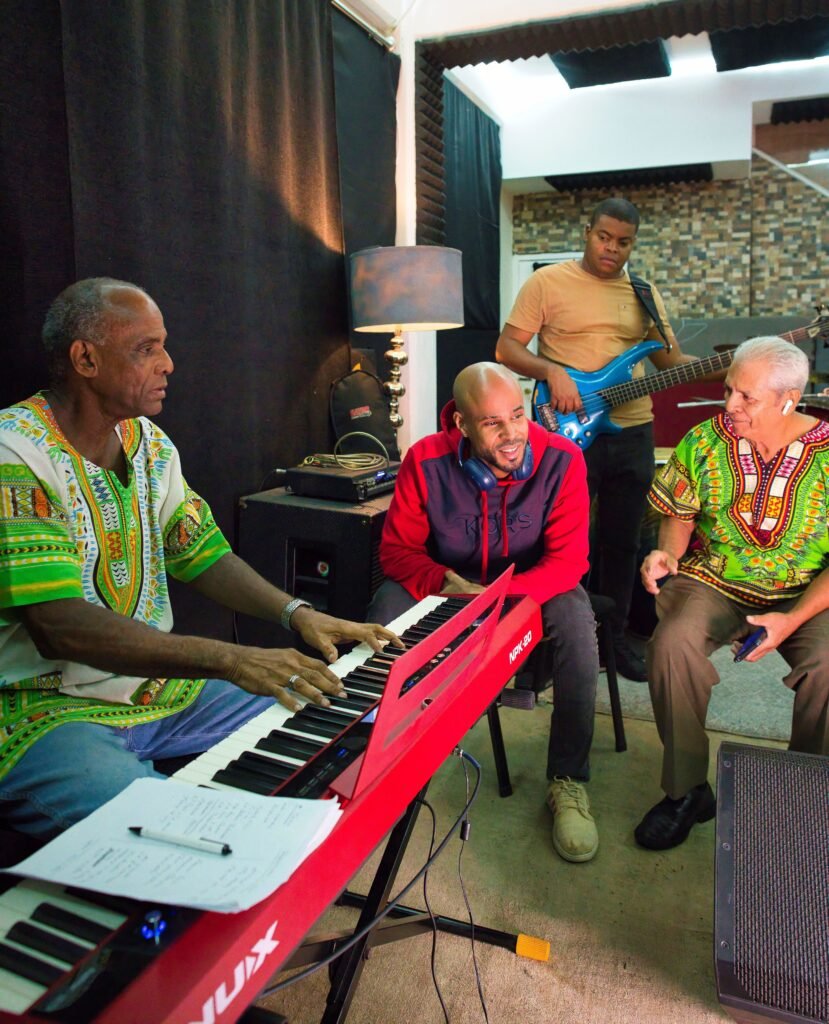
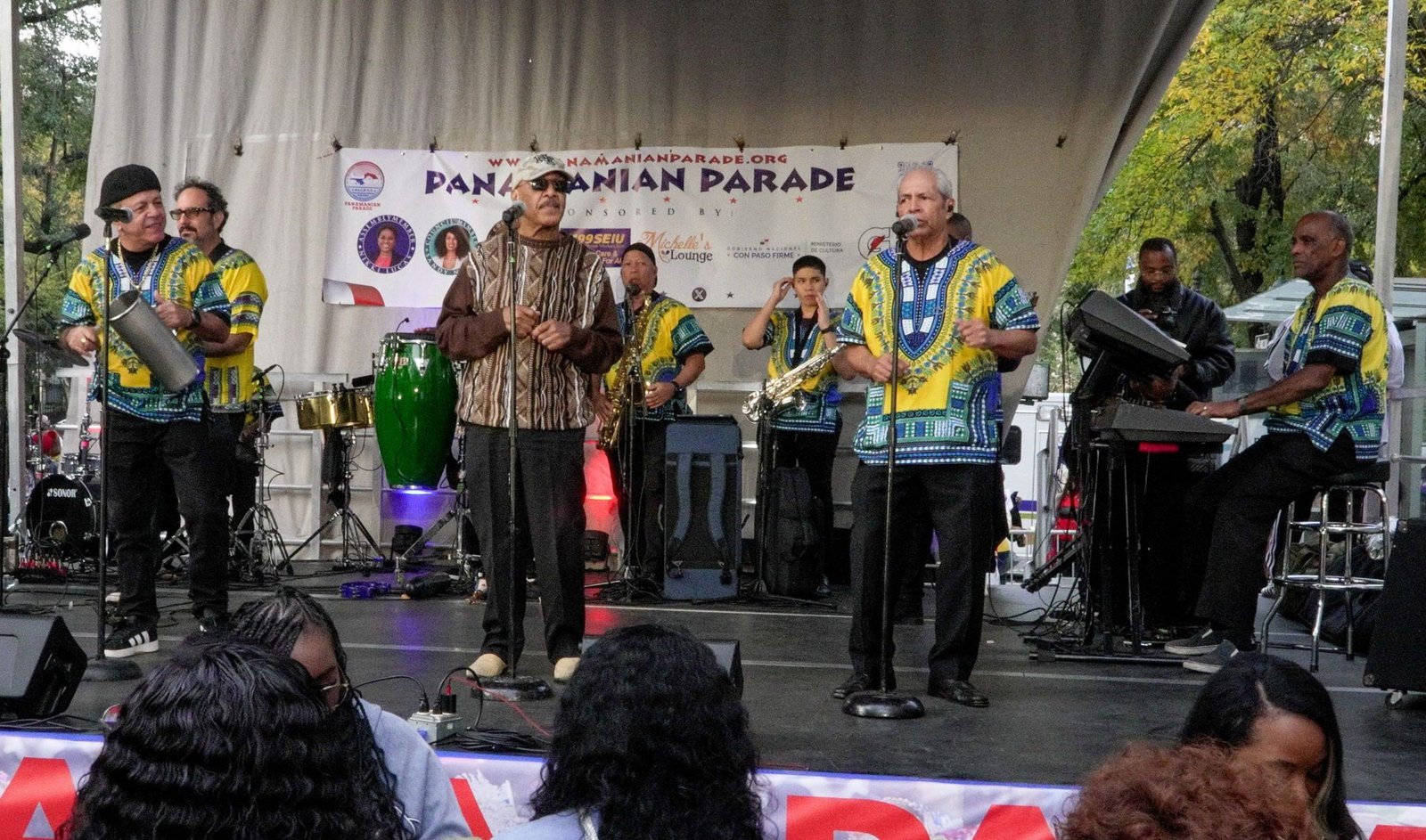
To prepare for their performance at the 2026 Panamanian Parade in New York, The Beachers needed just 120 minutes to rehearse, choose their repertoire, and make a few changes. That level of synchronization comes only after decades on stage. Amid jokes and banter, the rehearsal unfolded with a spirit of camaraderie. And really, how could they not stay together for six decades when the chemistry among the musicians is this good?

To understand where that bond comes from, you have to travel to Bocas del Toro in the mid-1960s. One of the most popular orchestras of the day canceled its performance at an Episcopal church party in Changuinola at the last minute, and the parish priest asked a group of young men to improvise something to liven up the night.

The Beachers- PANAMA PARADE
The Beachers in Panama Parade

“We were restless young men, between 20 and 22, wanting to do something different,” recalls Lloyd Gallimore, bandleader and founding member. In just 15 days, they put together a repertoire of 10 to 12 songs. That night, the dance floor was empty at first because nobody knew them, but then the priest took his wife out to dance. From that moment on, the dancing didn’t stop until four in the morning.

“We were restless young men, between 20 and 22, wanting to do something different,”

From Beach Boys to The Beachers

At first they called themselves the Beach Boys, because every Sunday they would play informally at the beach on Isla Colón. But when they went into the studio to record their first album two years later, they were warned that a famous band in the United States already had that name. They had to improvise, and they walked out of the studio as The Beachers.

From Beach Boys to The Beachers
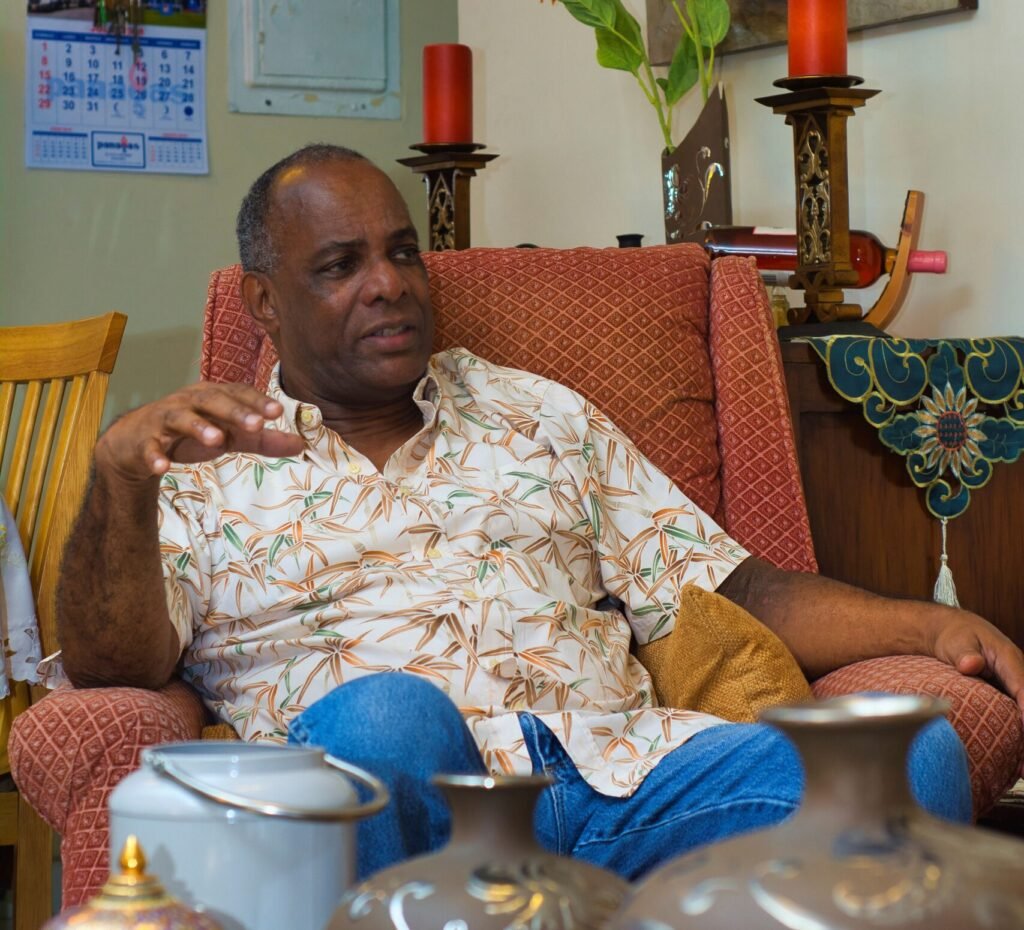
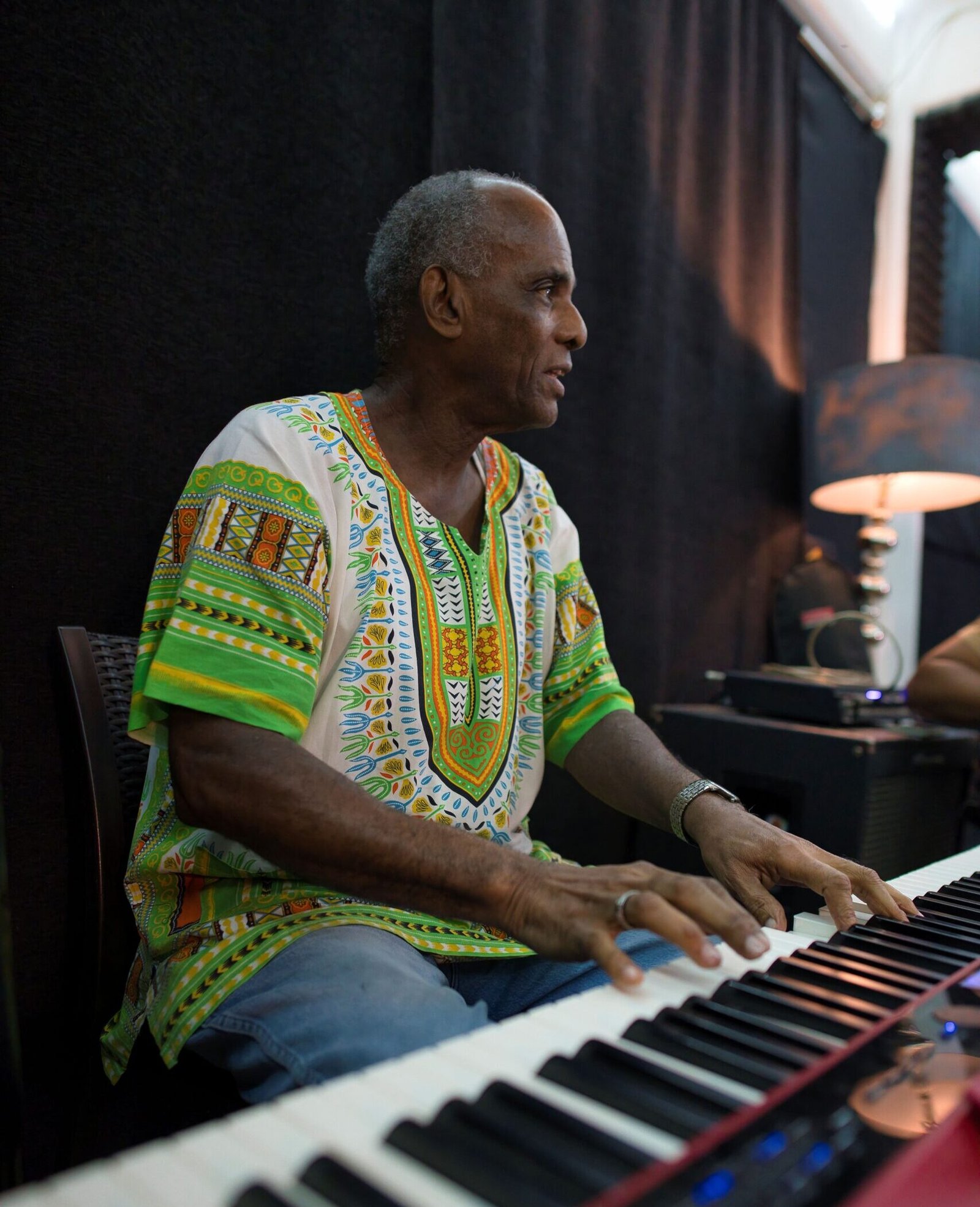
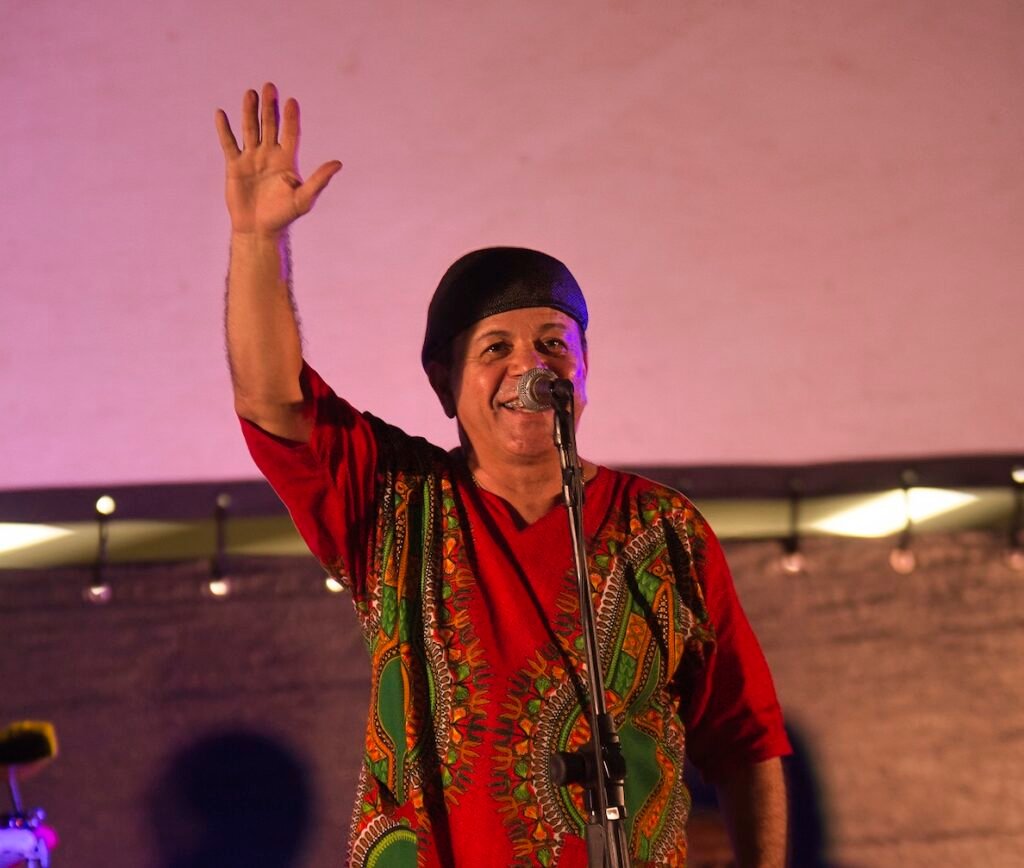
Lloyd Gallimore, a native of Bocas del Toro, is the bandleader and a founding member of The Beachers. His idea to use the organ function on his keyboard gave rise to the group's distinctive sound.
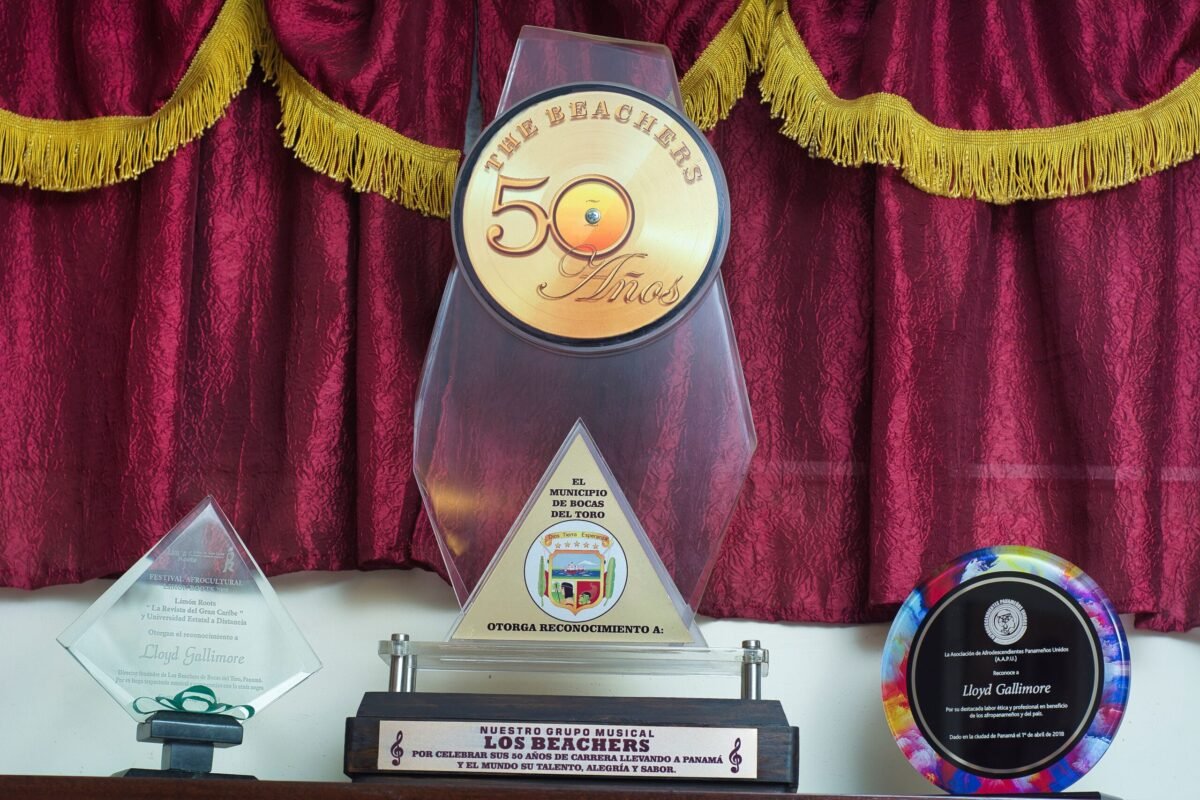
The Beachers Award

Their signature sound was born in 1968 at the Feria del Mar in Bocas del Toro, when a fruit company donated several instruments, including a keyboard with an organ effect. “That night I decided to use the organ setting instead of the traditional piano,” says Gallimore. From then on, that sound became their unmistakable trademark.

His idea to use the organ function on his keyboard gave rise to the group’s distinctive sound.

Success was not long in coming. Their first single, “Honey,” sold between 12,000 and 15,000 copies in a month. Then came “África Caliente,” and demand was so great that the country’s three record-pressing plants ran at full capacity for a month. In three months, between 70,000 and 75,000 copies were sold, a record for the time that marked the band’s international breakthrough.

Six Decades with Highs and Lows

The road was not without its obstacles. There was a pause in the 1970s because of work commitments abroad, and the painful loss of bassist Sargento Buggy in a traffic accident. “Discipline and love for music allowed us to bring the group back together and restructure it,” Gallimore explains.

Member of TB playing the piano

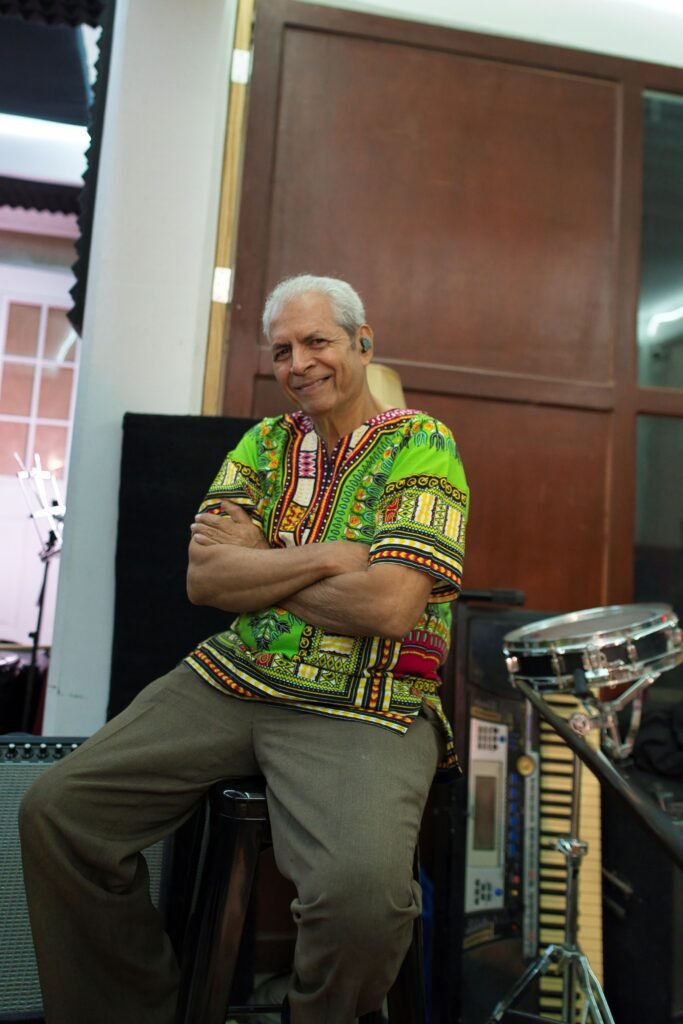
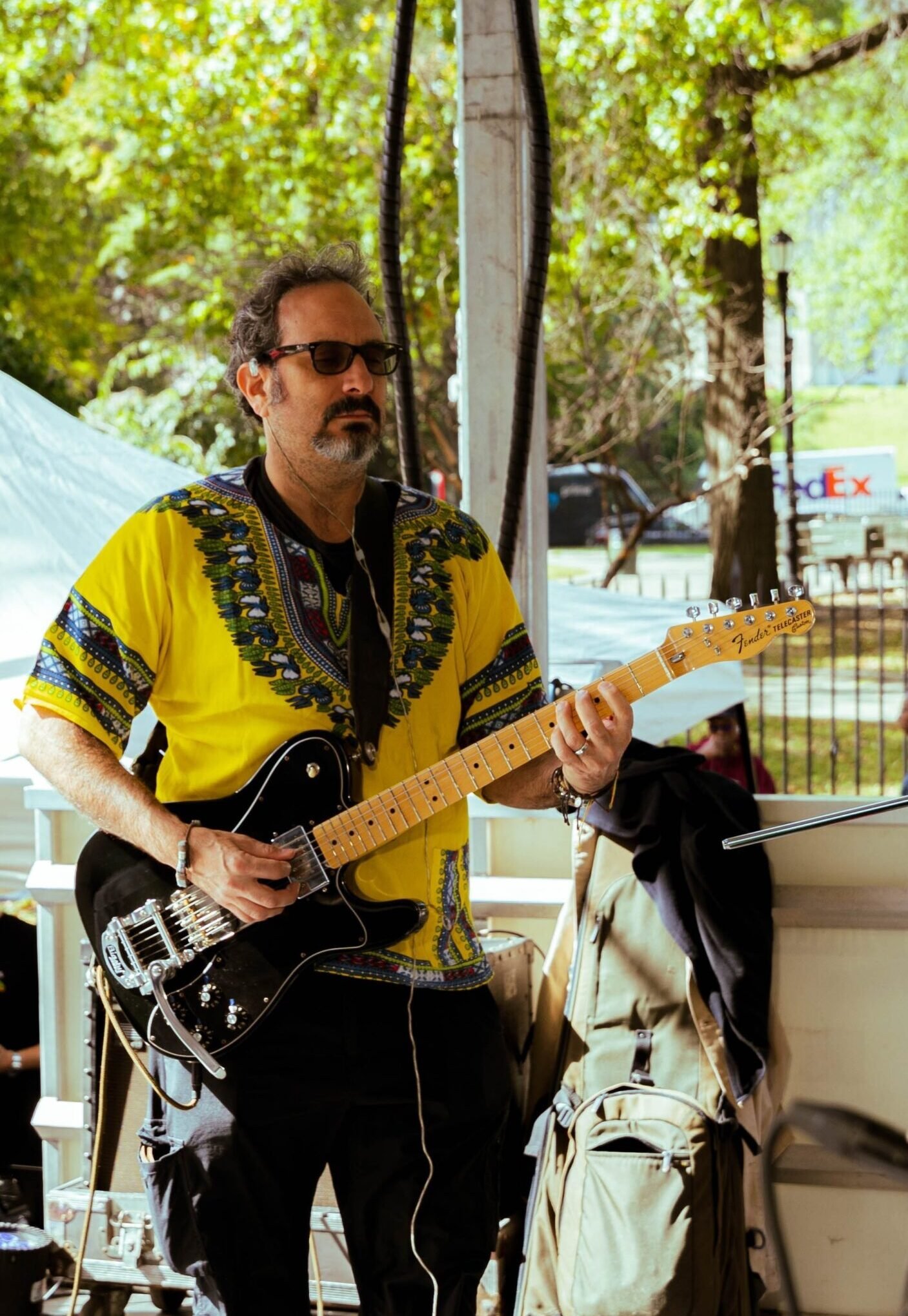
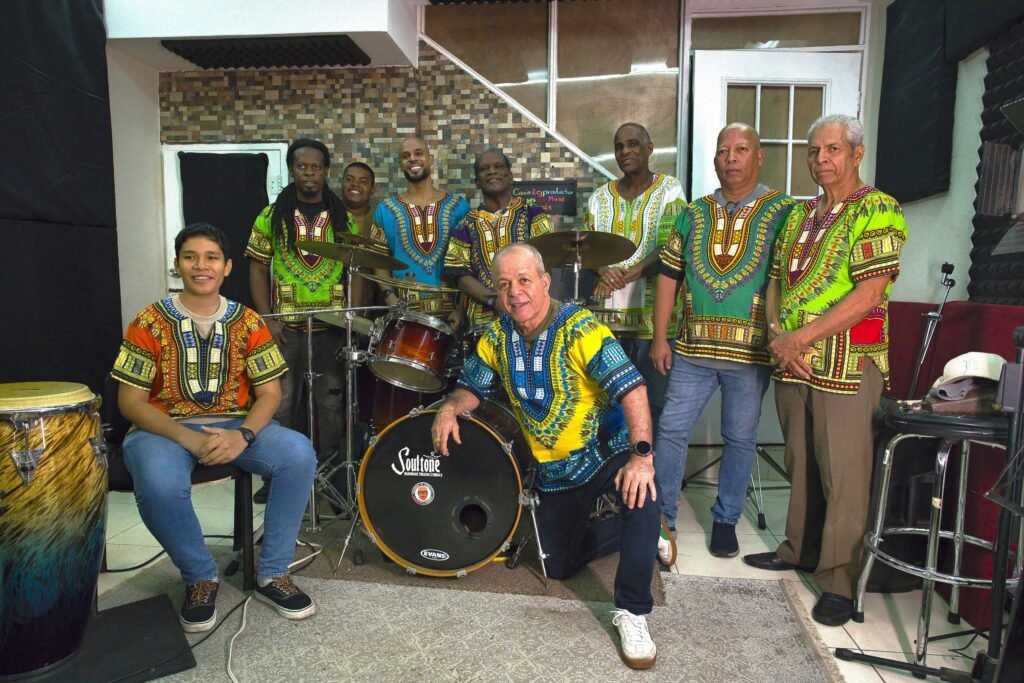
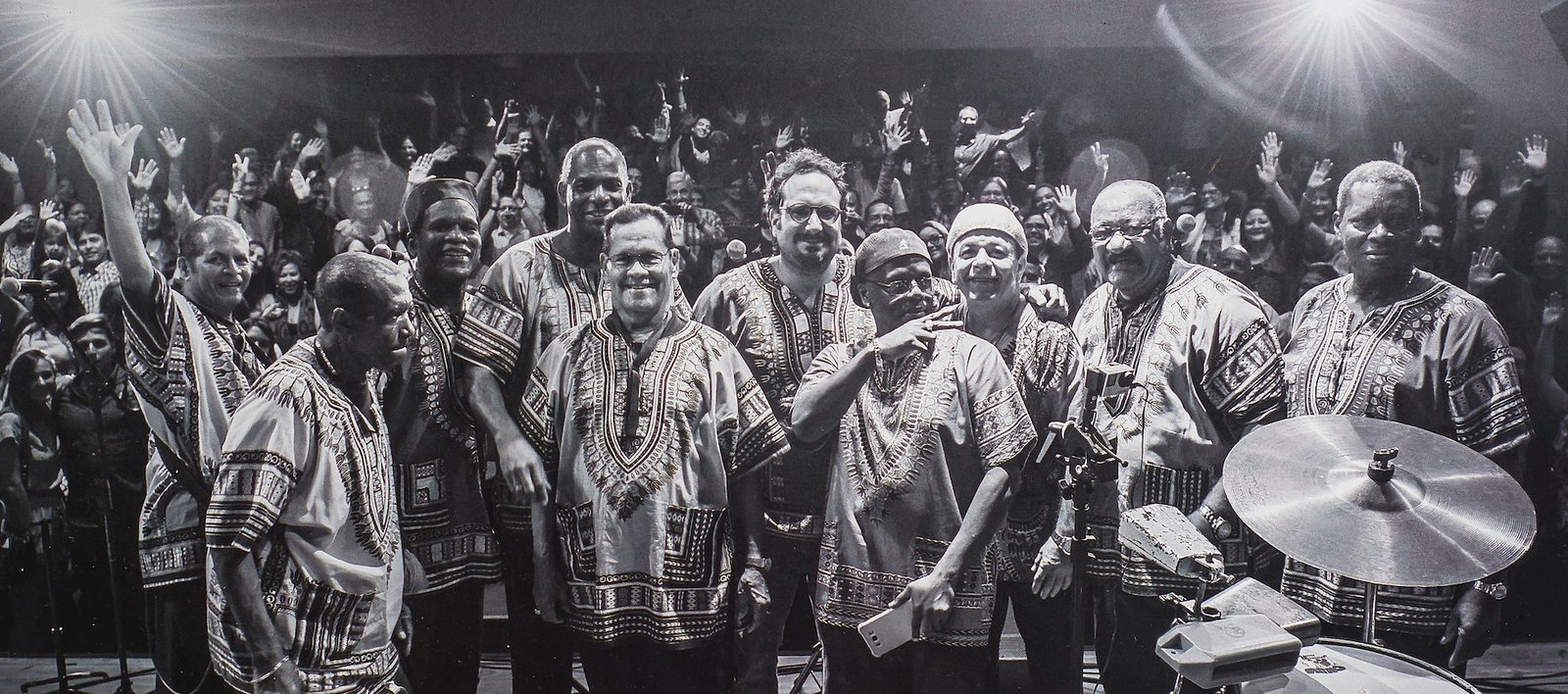
Today, The Beachers bring together musicians from different generations who perform their joyful compositions dressed in colorful dashikis. Part of their magic lies in the fact that you don’t need to be a calypso expert or know their entire discography to enjoy them. Just hear the first notes of the organ and the rhythm takes over your body: first one foot keeps the beat, then your shoulders begin to sway. Resistance is futile. You have to get up and dance!

The path takes us through a small, dry, rocky forest, past tiny communities whose residents pass me by with an agility that is truly enviable.

The Next Generation Is Already on Stage

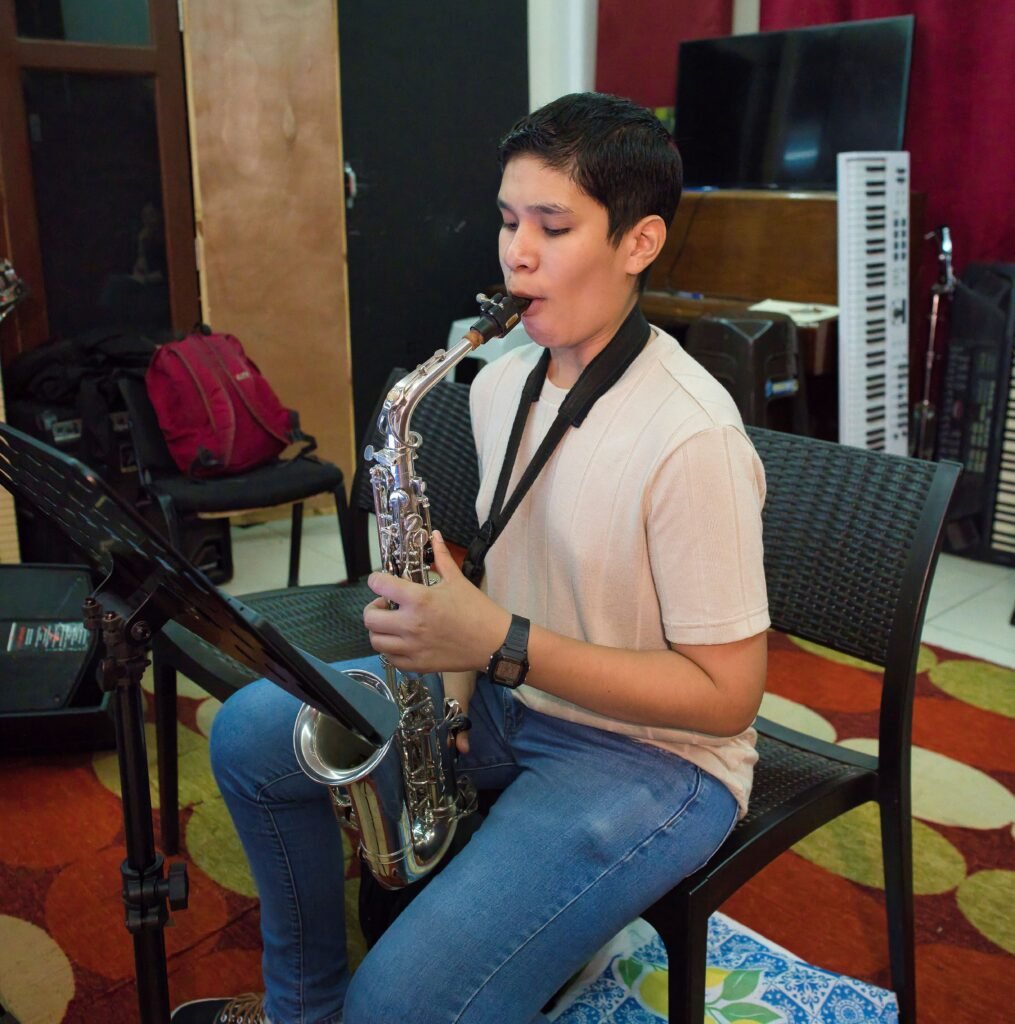
Although calypso no longer dominates the popularity charts, The Beachers have reasons to be confident about the band’s future. One reason is Roger Orcasitas, a 33-year-old alto saxophonist who is the youngest member of the group. Trained in the Instituto América band and at the University of Panama’s Faculty of Fine Arts, he came in to replace a colleague who was recovering from surgery and ended up earning a place in the orchestra. “I’m heading toward 10 years in the group,” he says.

Alto saxophonist Roger Orcasitas is part of the new generation sharing the stage with the original members and keeping The Beachers' joyful spirit alive.
The Beachers-Rogelio Ward-

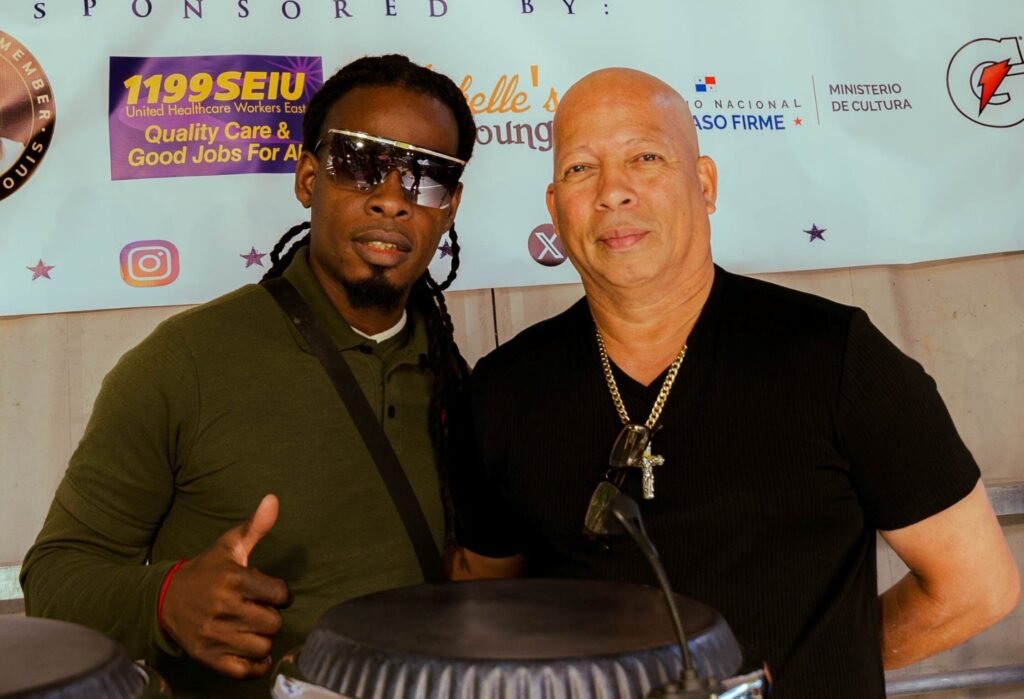
For him, this music is a family inheritance: “My mom and dad collected the records.” The conga player and the bassist, also from his generation, grew up in a similar way. Today, his friends ask him when the next shows are and come with their partners and families. “It makes me very happy to know that it’s not just of interest to a small group of people my age,” he says.

A Producer in Love with Their Sound

Admiration for The Beachers also took root from afar. Billy Herron, music producer and honorary Beacher, discovered the band when he was living in Boston and searching for music from the 1970s. He found a group that “had so many elements of the different kinds of music I like: calypso, soul, folk, and touches of jazz.”

Once in Panama, he invited them to play at his wedding, brought Lloyd in on keyboards for the Transístmico Project, and from that friendship came the idea of recording an album to celebrate the group’s 50th anniversary.

Billy Herron, The Beachers

“I feel like I’m playing with musicians with a very strong, natural cultural heritage,” he says. “It makes me feel like I’m doing something truly beautiful for my country’s music.”

From the Panamanian Parade to the Beachers Festival

The Beachers Practicing
The Beachers Festival will include the Naitafón Tour 60 Years, the recording of a live album at the Centro de Artes y Cultura de Colón with special guests, and performing as the closing show of the 2027 Panama Jazz Festival.

In New York, the Panamanian Parade experience was, for Herron, “very exciting and moving,” as he saw how Panamanians there “are still super connected to our homeland.”

The band also held a workshop at a community center in Brooklyn, with a cappella songs, piano, and improvisation involving the audience. The aim is to replicate this experience at universities and schools in Panama. As Roger puts it, “There is something distinctive that unites all audiences: the value of enjoying music.”

These initiatives are part of the Beachers Festival, which includes the trip to New York, the Naitafón Tour 60 Years, the recording of a live album at the Centro de Artes y Cultura de Colón with special guests and audiovisual material for digital platforms and YouTube, and performing as the closing show of the 2027 Panama Jazz Festival.

Herron hopes the initiative will grow into a permanent festival of Afro-Panamanian music.

The Beachers Group

A Legacy That Keeps Dancing

Asked about the lessons he has learned with the band, Roger doesn’t hesitate: camaraderie. “We’re a family. All for one and one for all.”

The Beachers are, without question, living legends. For 60 years they have built a legacy that is a heritage and a source of pride for Panama, and that keeps different generations on their feet. With young musicians like Roger and passionate supporters like Herron, the party that began six decades ago in a church in Changuinola still has plenty of night ahead.

Share

Leave a Reply

Your email address will not be published. Required fields are marked *

aa