Panama, Host to the World

- November 13, 2026
By Julia Henríquez
Photos: Demian Colman
As Panama marks 123 years of republican life amid the aftermath of the October 9 earthquake, the country takes stock of the road its tourism sector has traveled. The sector’s sustained growth, the result of public-private collaboration, has established Panama as a world-class destination. Today, the sector’s strength can become a powerful tool for the recovery of the affected communities.
Following the seismic activity that affected communities across Azuero, Veraguas, and Coclé, Panama’s priority is to assist those who lost their homes or their sources of income. The country faces this moment with an expanding tourism sector whose momentum can help the affected areas get back on their feet.
During the first half of 2026, international visitor arrivals grew 18.1% compared with the same period in 2025, according to the preliminary report from the Panama Tourism Authority (ATP). “This growth is the result of a comprehensive strategy,” explains Eng. Gloria De León, ATP administrator, who highlights collaboration with PROMTUR, air connectivity, and Copa’s Panama Stopover program.
Panama, however, aspires to more than attracting visitors. “Our goal is not only for more tourists to arrive; we want them to stay longer, travel around Panama, and see that growth turn into opportunities for more Panamanians,” says De León.
It is essential to maintain tourism momentum. Every visitor energizes local transportation, lodging, and local gastronomy.
Panama Remains Open to the World
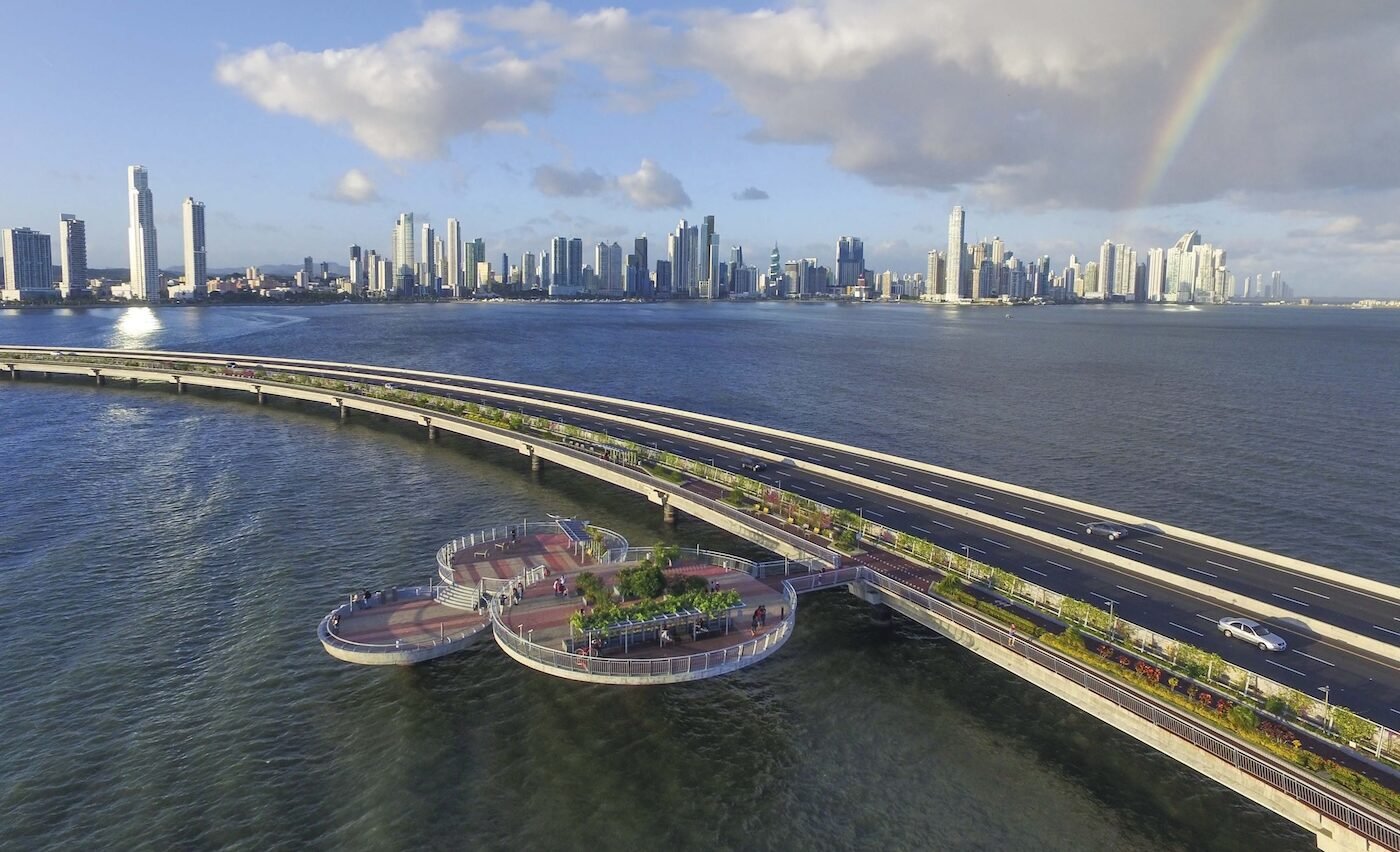
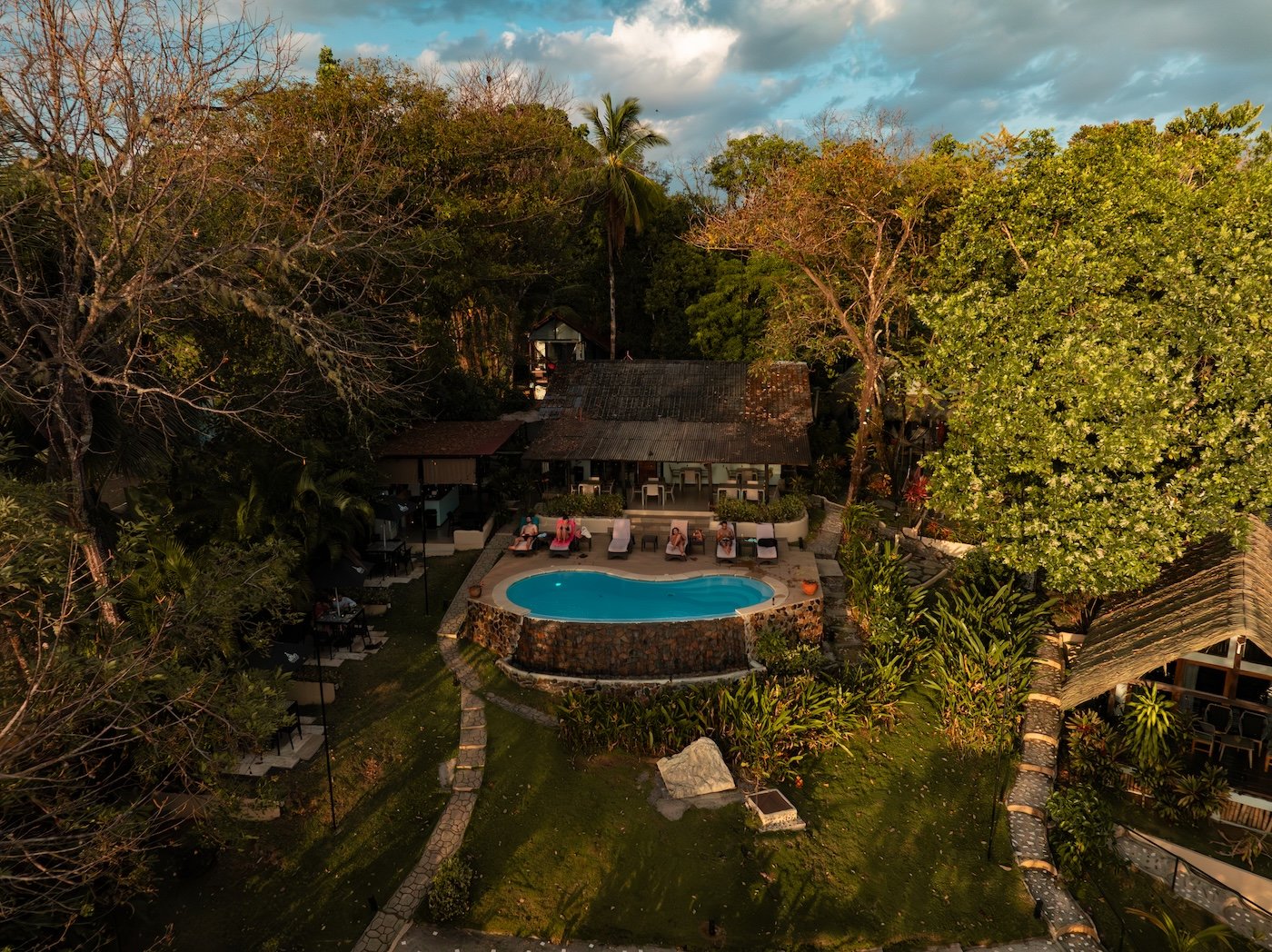
After touring the affected areas of Veraguas, Azuero, and Coclé, De León told local media that most hotels and restaurants in destinations such as Santa Catalina and Playa Venao remain operational or have sustained minimal damage. Other destinations, including Panama City, Bocas del Toro, Tierras Altas, Boquete, and El Valle, are operating normally.
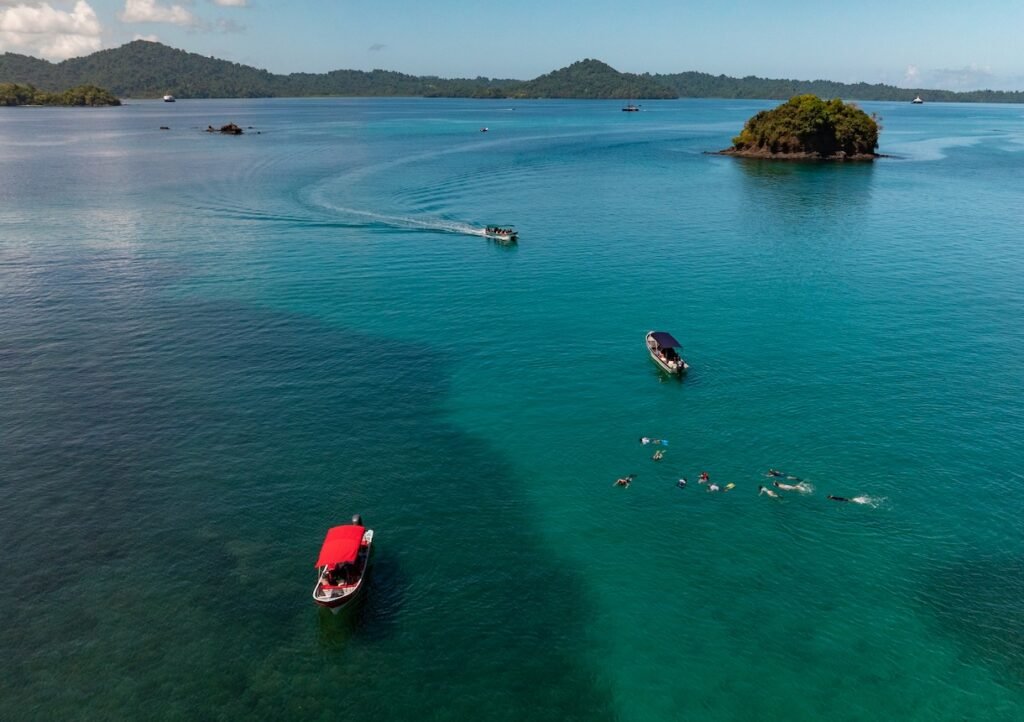
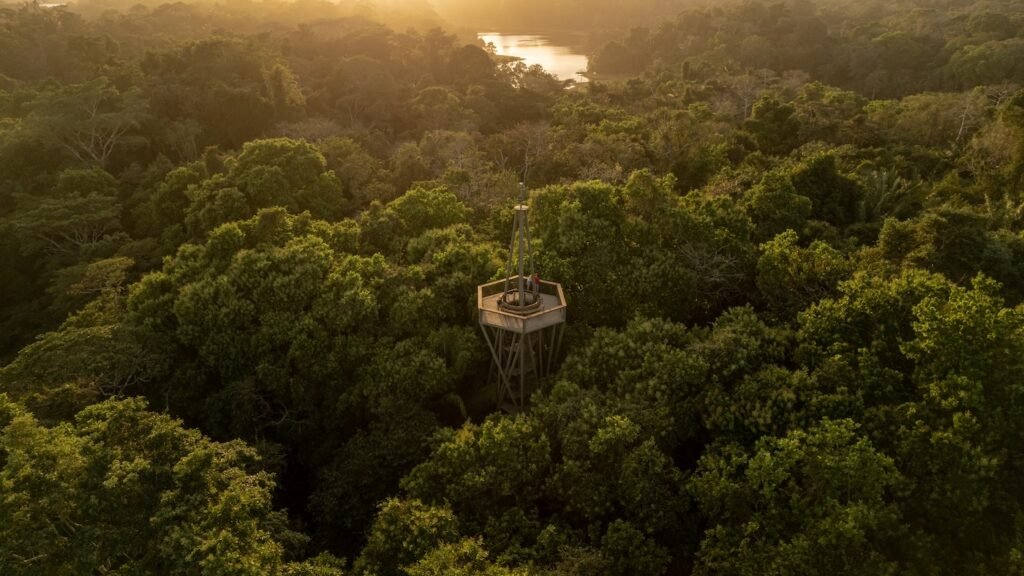
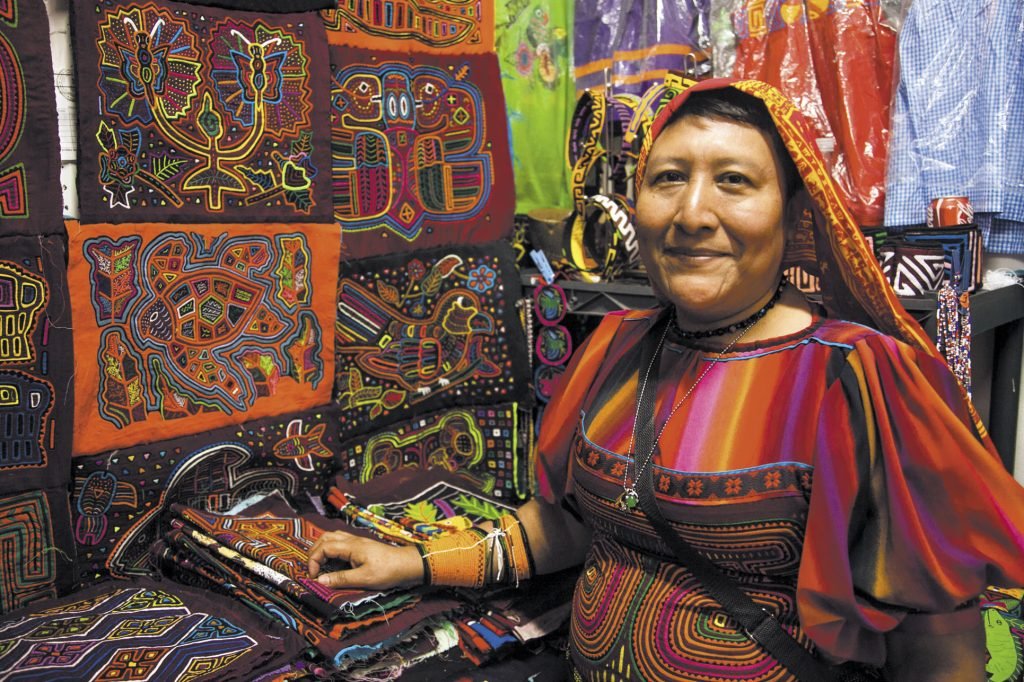
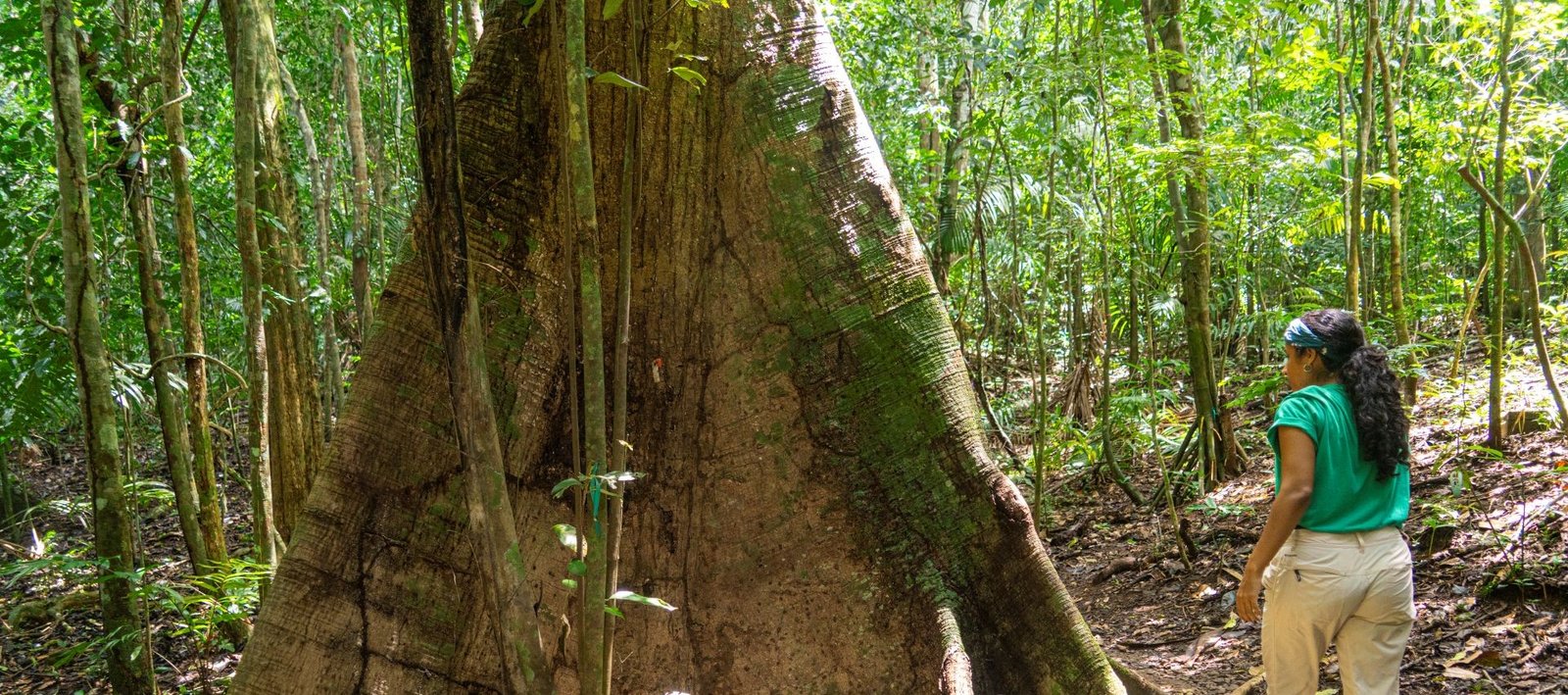
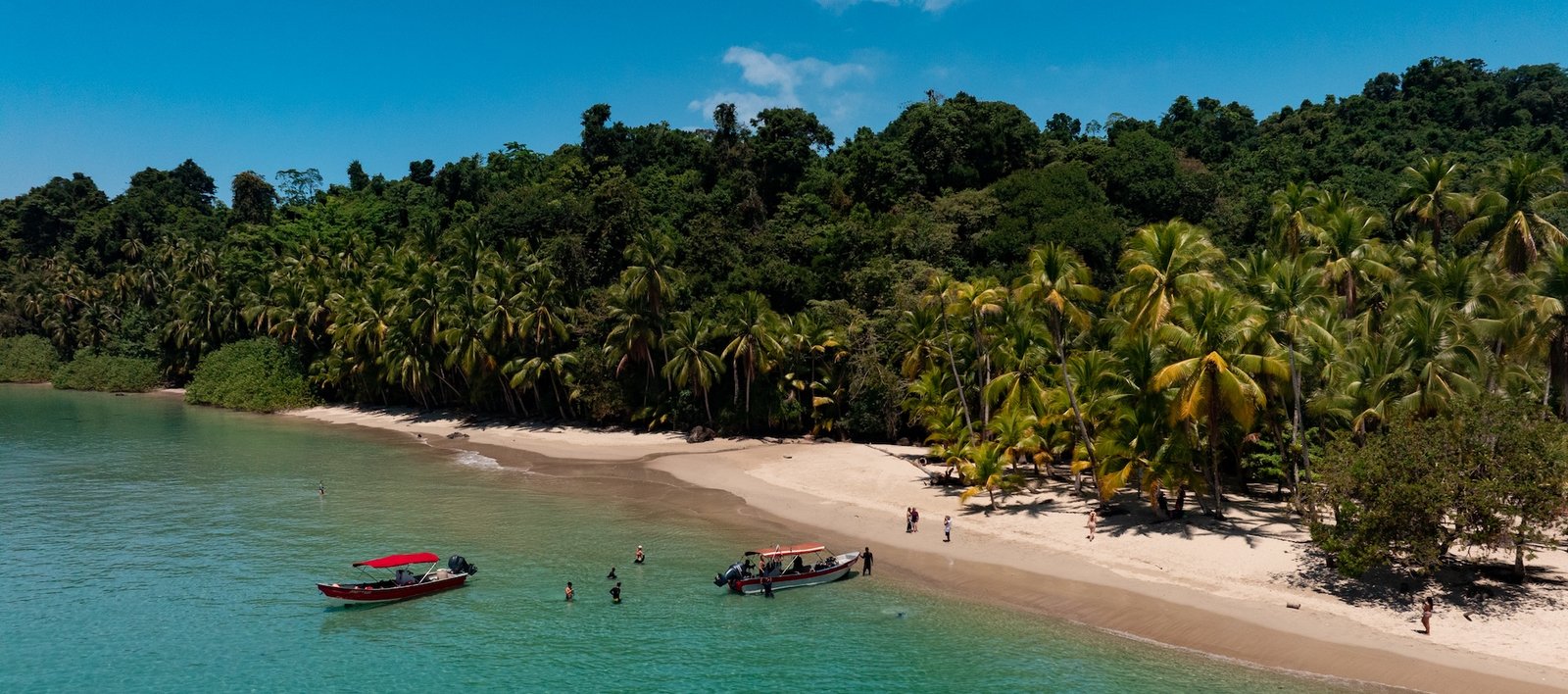
The country’s variety is its strength: biodiversity, gastronomy, Indigenous communities, beaches, surfing, birdwatching, and geisha coffee—which is recognized around the world—all coexist in this small territory. “Travelers don’t have to choose between city, nature, or beach; they can experience them all on a single trip,” De León notes.
Conference tourism is already strong this year: in the first half of 2026, 74 international events bringing more than 113,000 participants generated an economic impact of more than US$91.5 million. And the calendar remains strong: 35 events are scheduled between now and the end of the year, with no cancellations so far. Planned events include the ICCA Congress, which will bring together more than 1,500 people for a week in November.
Although the outlook has changed, the public and private sectors are working on recovery and hope to come close to 3.2 million visitors by year-end. To achieve that, De León explains, tourism momentum must be sustained. ATP and PROMTUR maintain transparent, direct communication with priority markets, wholesalers, tour operators, and international agencies to remind them that Panama remains open to the world. Every visitor energizes local transportation, lodging, and gastronomy.
Understanding travelers helps the sector target its efforts. According to official 2025 statistics, the United States (22.04%) and Colombia (15.30%) led arrivals through Tocumen International Airport, followed by Ecuador, Mexico, Costa Rica, Argentina, Brazil, and Spain. ATP is moving toward data-driven management, collecting data from mobile signals, VISA spending patterns, and hotel performance as measured by CoStar STR. This information helps create experiences that give visitors new reasons to return.
Tourism, An Engine of Recovery
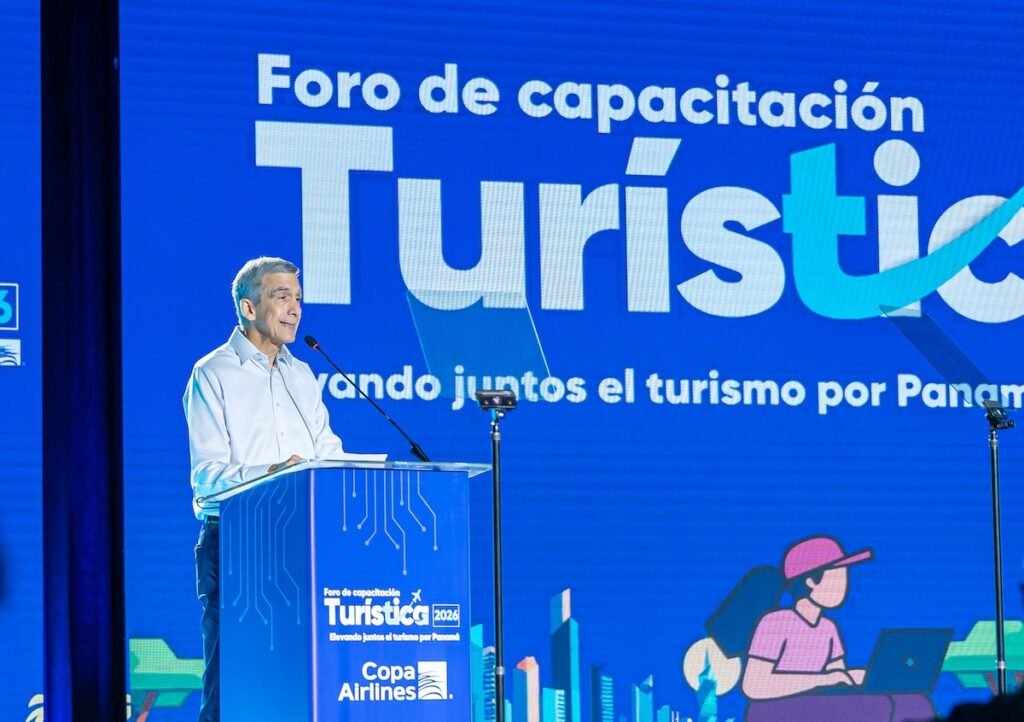
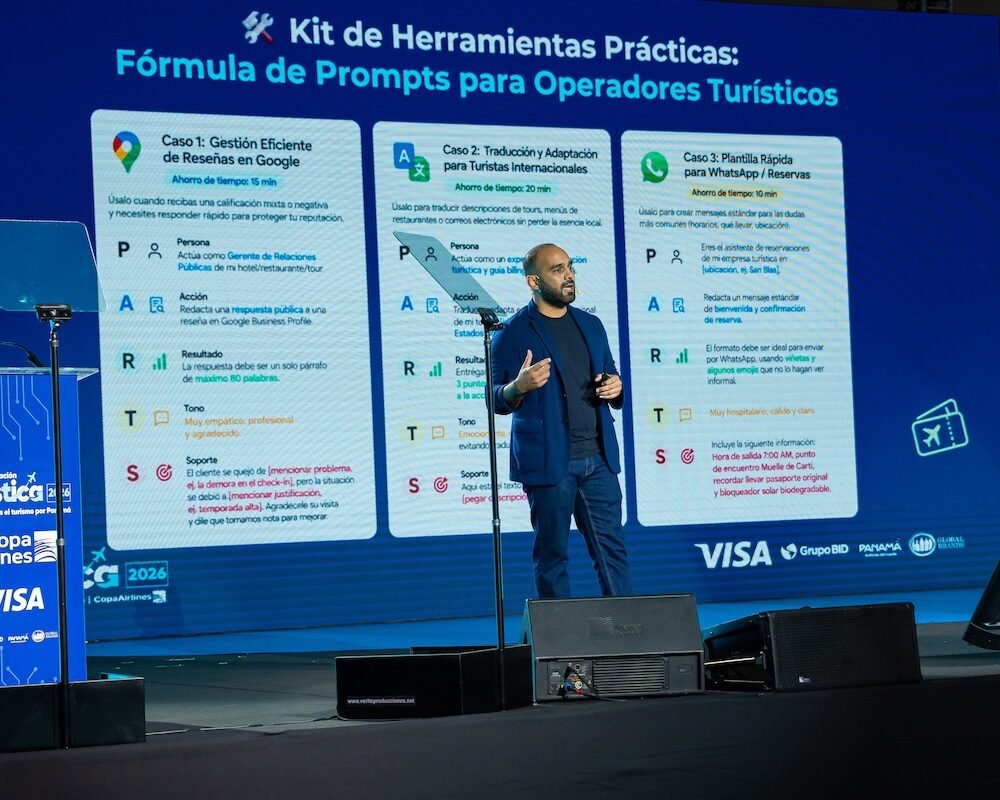
At the second Tourism Training Forum, held on October 14 with the theme “Tourism evolves: Technology that transforms, experiences that connect,” Pedro Heilbron, executive president of Copa Airlines, said, “Panama is going through a difficult time, and our first consideration must be with the people and communities affected, especially those who have lost their homes or their livelihoods. Meeting their basic needs is our priority. The private sector must show up to collaborate with the national government on this important task.”
Heilbron also looked ahead: “Many families in Azuero depend on tourism. We must be prepared so that, when the affected communities can resume their activity and offer their products and experiences again, they find a strengthened sector, able to support them, promote their destinations anew, and welcome visitors with the level of service that Panama needs. This forum seeks to make a concrete contribution to that preparation,” he added.
The free event brought together more than 400 entrepreneurs, small and medium-sized businesses, and other industry stakeholders. Its goal was to share practical tools to improve the visitor experience and strengthen tourism businesses, preparation that is especially important for communities seeking to resume their activity.
Panama Stopover and Sal-a Panamá: From Passengers to Visitors
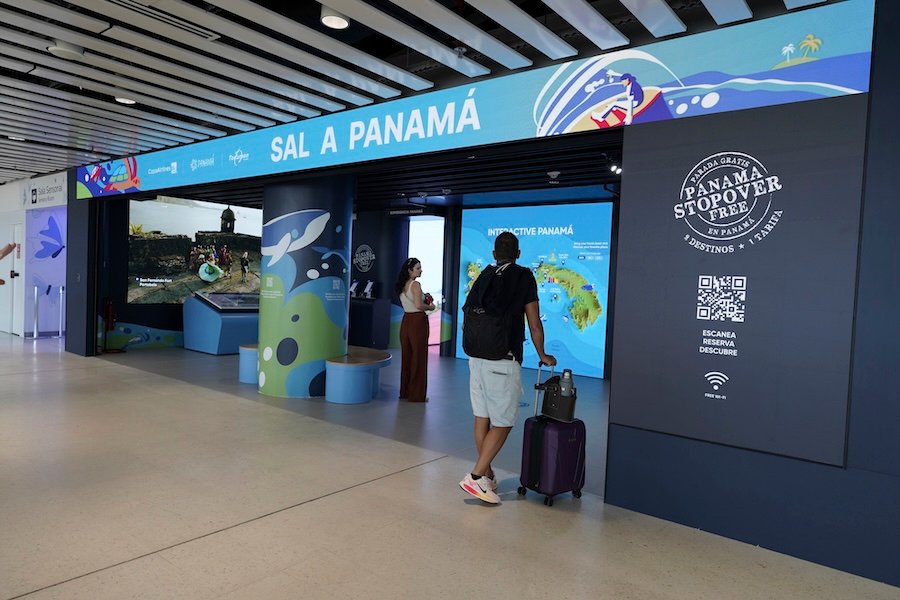
Air connectivity can also translate into new opportunities for the country and Copa Airlines is a key partner in this. Created in 2019, the Panama Stopover program allows passengers in transit through Tocumen to visit Panama. In the first half of the year, the program brought more than 132,000 visitors, 38% more than in the same period of 2025. “We are turning passengers into visitors and connectivity into economic impact,” says De León.
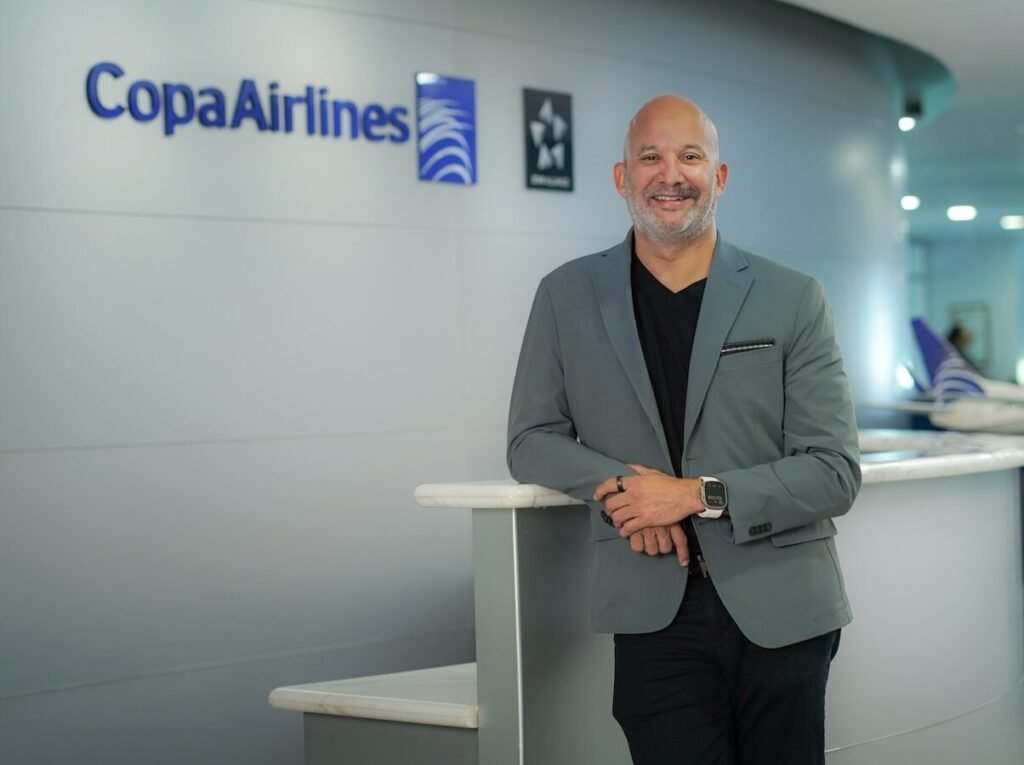
Marco Ocando, senior director of marketing at Copa Airlines, attributes the jump to digital visibility (a banner invites travelers to make a Stopover when they search for flight itineraries longer than two days), extending the maximum stopover stay from 7 to 15 days, and sustained marketing that added Colombia as a key market. “By the end of this year, the program will have tripled in size compared with 2019,” he says.
The Panama Stopover program is expected to triple in size by the end of this year
The formula is simple: travelers can “turn one destination into two for the same airfare.” They can use the layover on the outbound or return leg of their itinerary to stop in Panama at no additional airfare. More than 85% of those who try it say they want to return. The Stopover’s main source markets are Argentina, the United States, Ecuador, Brazil, and Colombia, with Peru and Trinidad and Tobago on the rise. Work is under way so that, in 2027, purchasing will be more visible and direct, with more eligible fare classes and new discounts. For Ocando, the success stems from “mutual respect and recognition” between the public and private sectors: “Neither party alone could have achieved it.”
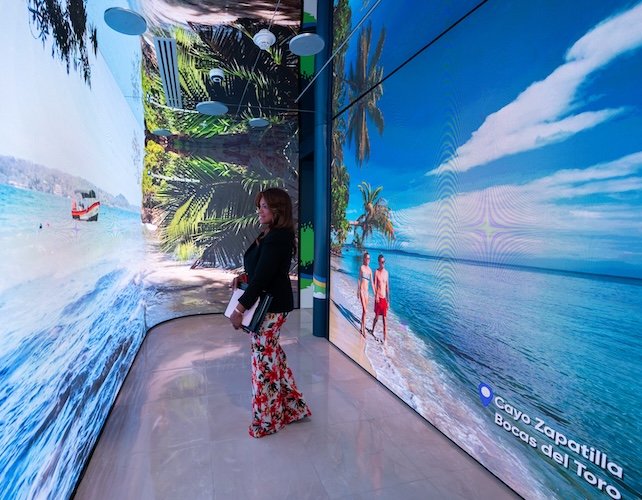
For those who are just changing planes, there is another gateway: Sal-a Panamá, a 90-square-meter interactive space at Tocumen that, since opening on May 28, has received nearly 2,500 people a day. Its visual design, in the style of the world’s great interactive rooms, offers a unique way to get to know the country. According to Ocando, no other airport in the Americas offers this kind of showcase for a country.
Sal-a Panamá aims to turn travelers’ layovers into an invitation to explore the country.
Ocando adds: “It will take you 10 to 20 minutes to visit, and you’ll be very surprised and inspired to get to know Panama.” This Copa Airlines initiative, developed together with ATP, PROMTUR, and Tocumen International Airport, aims to make those who are only passing through today decide to stay tomorrow.
Country Brand: Solidarity and Hope
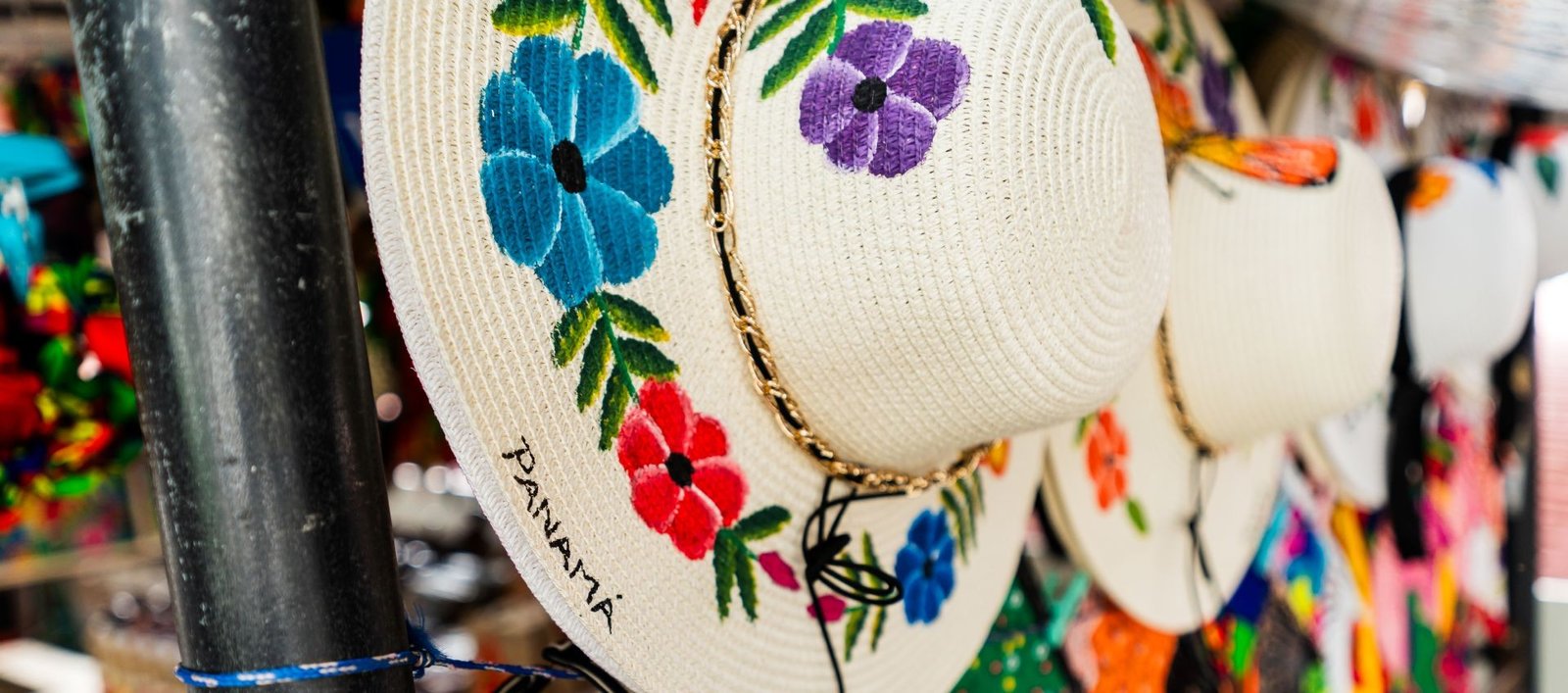
The country brand, “Panama, Host to the World,” brings together tourism, investment, exports, culture, and sustainability. At this moment it also reveals another dimension: the solidarity of Panamanians and their determination to move forward, keeping the destinations that remain open active while helping those that were affected to recover.
“We Panamanians are the best ambassadors for our country,” says De León. Initiatives such as the domestic tourism campaign, “Tripea lo tuyo,” invite people to explore the territory, buy local products and services, and contribute to the economic recovery of the affected communities.
From the communities themselves comes a direct appeal. Joseph Daniel Moreinis, chairman of the board of the Pedasí Tourism Chamber, puts it this way: “If you want to help Pedasí, Playa Venao, Oria, Cañas, and Tonosí, there is a simple and powerful way to do it: don’t cancel your reservations. We ask you with all our heart to keep your plans for the national holidays and for the end-of-year holidays, Christmas and New Year’s. Your visit directly sustains the employment and livelihoods of hundreds of families in our region.” In response, tourism entrepreneurs in the area are working to resume their operations while also providing volunteer support to the most vulnerable communities.
We Panamanians are our country’s best ambassadors
Panama is a country where you can have breakfast on the Pacific coast, lunch on the Atlantic coast, and an afternoon snack back on the Pacific coast
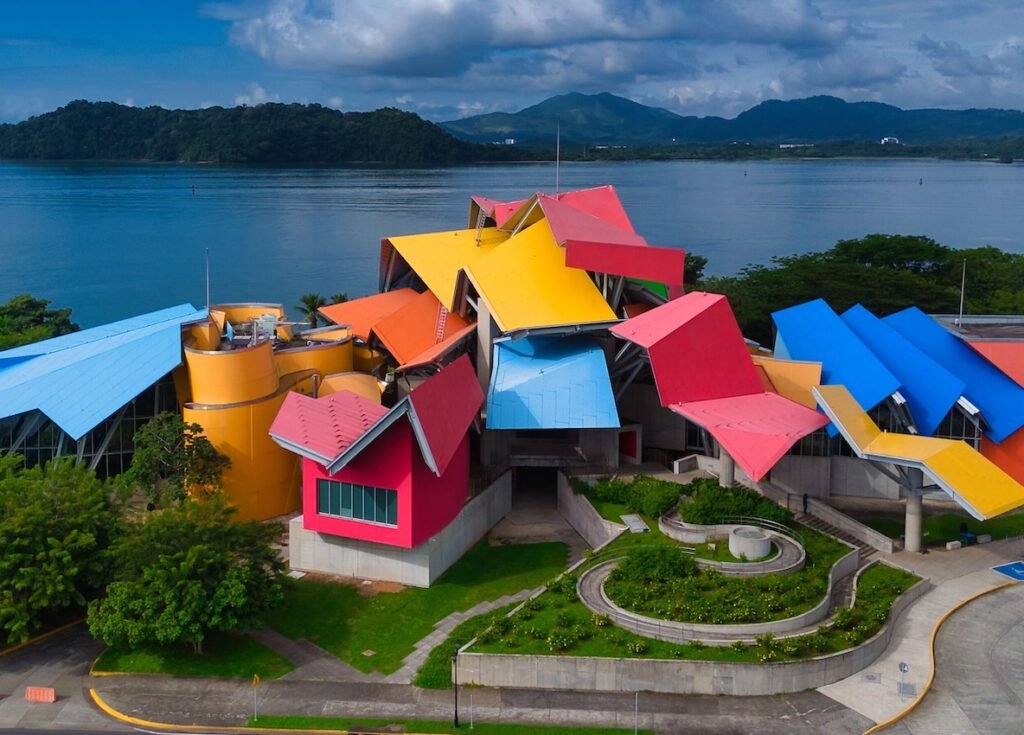
And to those who are still undecided, Ocando extends an invitation that is hard to turn down: a dollarized country that is easy to explore, where you can “have breakfast on the Pacific, lunch on the Atlantic, and an afternoon snack back on the Pacific”; see an engineering wonder next to a tropical rainforest; and stroll through the Casco Antiguo, a historic quarter more than 200 years old that has been named a UNESCO World Heritage Site. And with Copa, you can get here on a single flight from almost any country in the Americas.
During the October 14 event, De León urged continued growth: “Panama has everything it takes to keep consolidating itself as a competitive destination: connectivity, tourist attractions and, above all, the talent and warmth of our people. But we must keep preparing. Training, innovation, and new technologies are essential for our entrepreneurs to grow and for us to offer ever better service. Because being ‘Hosts to the World’ means that every visitor takes away not only a good experience, but the desire to return to Panama.”
In that effort, tourism has a role that goes beyond attracting travelers: it can help sustain jobs, reactivate businesses, and accompany communities in their recovery. Being hosts to the world also means being ready to welcome back those who wish to get to know Panama.
Leave a Reply