Ilya. The Engineering of a Life
- October 12, 2026
By Marcela Gómez
Photos: Rommel Rosales
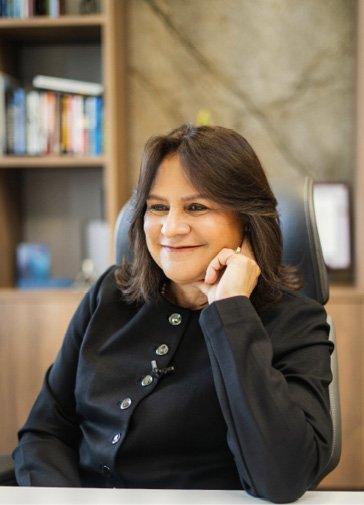
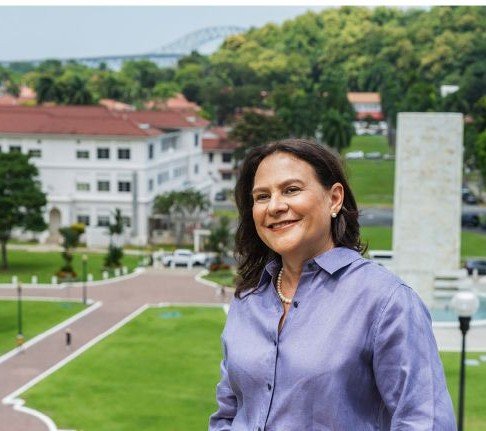
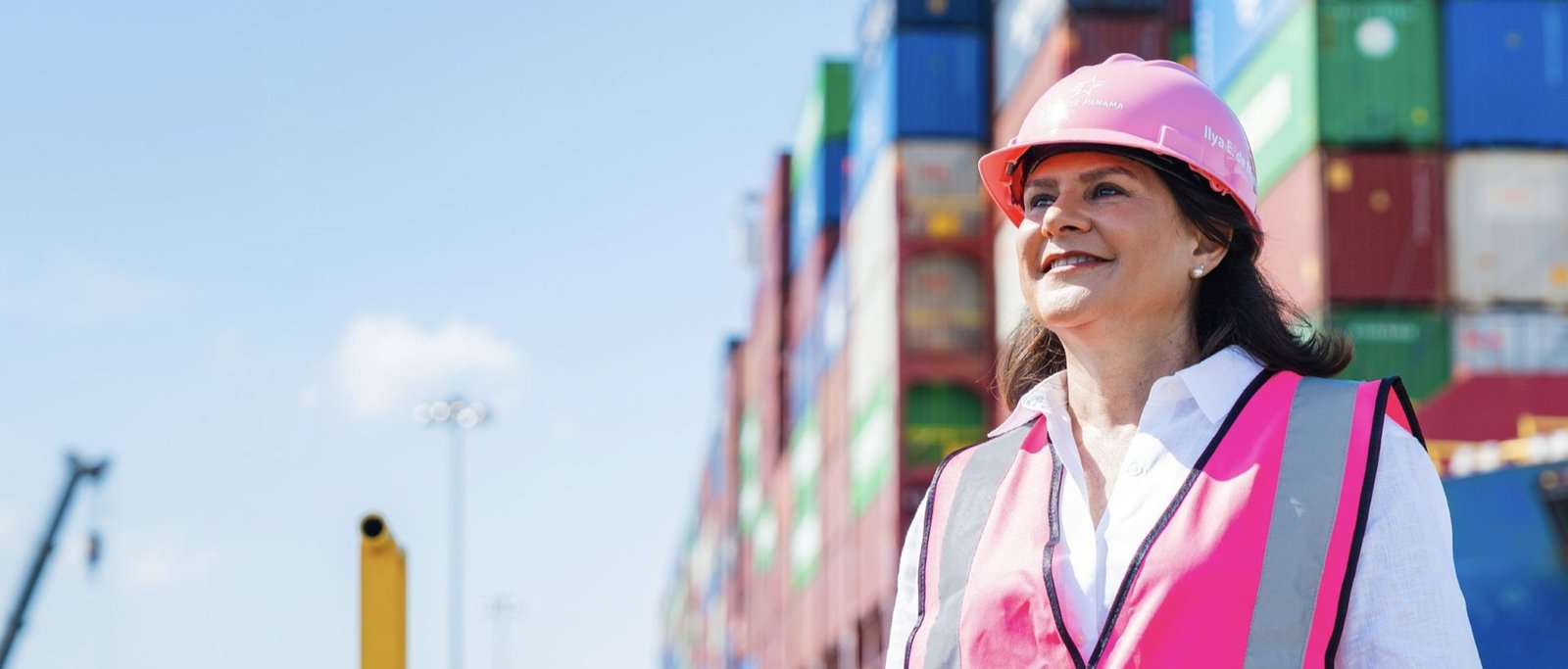
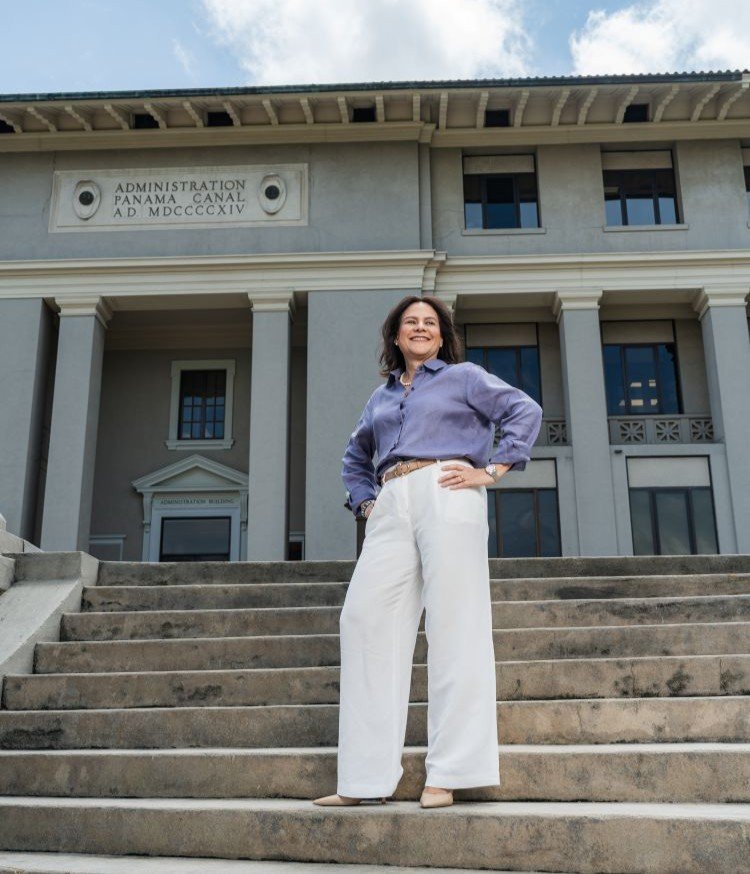
She arrived at the Panama Canal at the age of 23 to take on a temporary position. More than four decades later, Ilya Espino de Marotta holds an exceptional place in the history of the interoceanic waterway. In this conversation we discuss her journey, the challenges that shaped her leadership, and the future of an engineering marvel that, like her, has never stopped evolving.
“What began as a temporary opportunity became more than four decades of challenges, learning, and a life dedicated to transforming the Panama Canal.”
Ilya Espino de Marotta: From a Temporary Position to a Life Dedicated to the Panama Canal
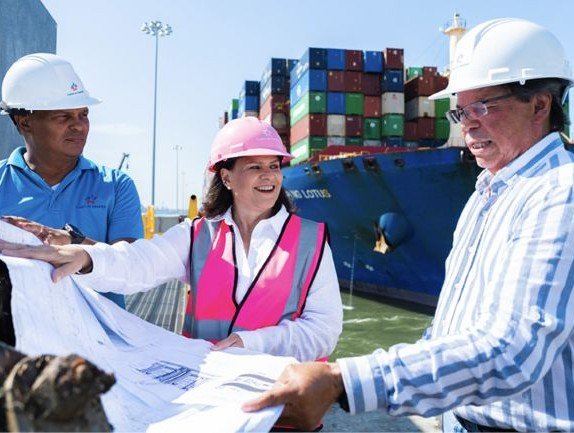
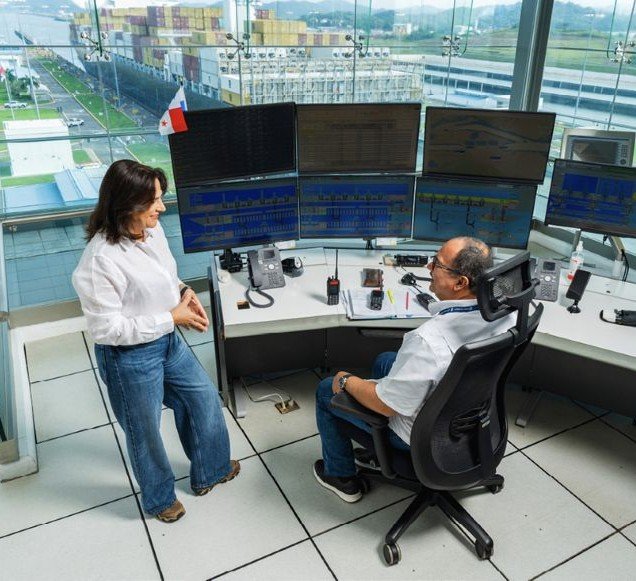
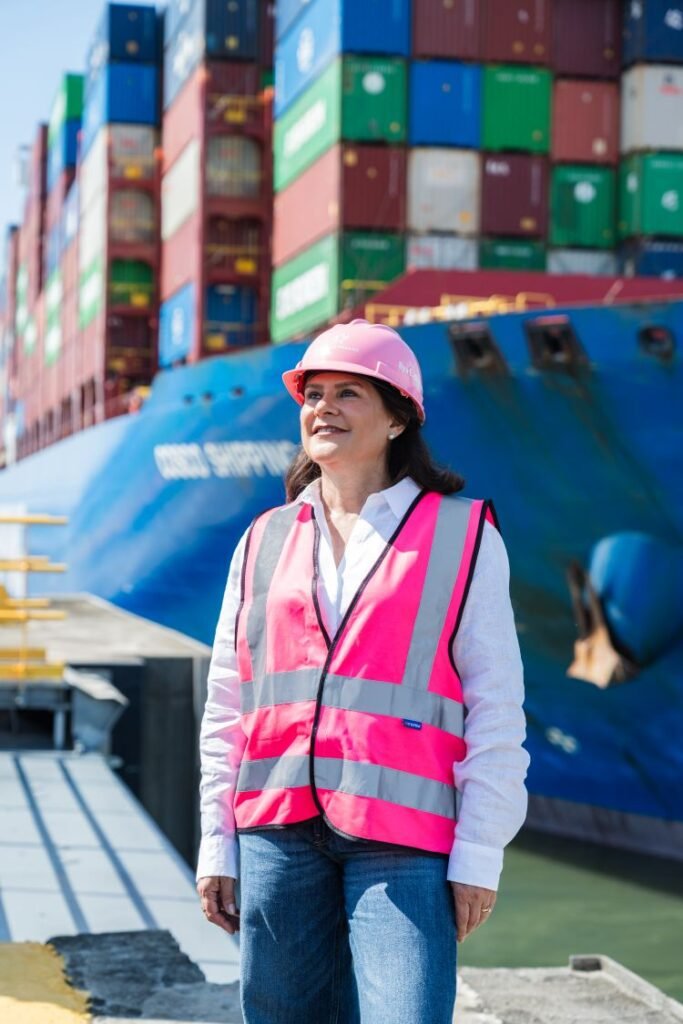
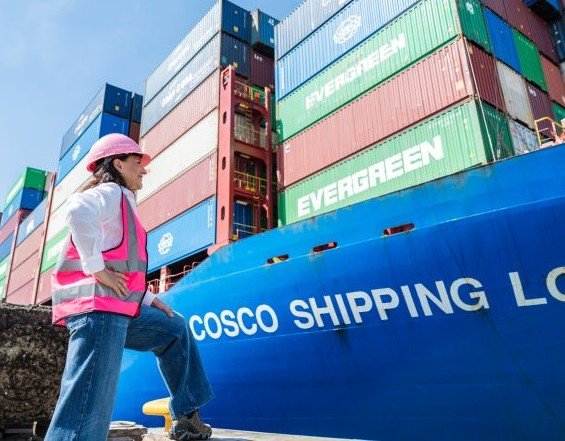
Fresh out of university, Ilya Espino de Marotta arrived at the Panama Canal to take a temporary position on the repair docks in Colón. Surrounded by massive ship hulls, heavy machinery, and a world she was only beginning to discover, she developed a fascination that would ultimately define her professional life. What seemed like a first job became a career spanning more than four decades at one of the world’s most important engineering achievements.
Since then, her path has been defined by curiosity, constant learning, and a willingness to embrace new challenges. She has worked across different areas of the institution, from engineering and operations to administration and major projects, building a career closely linked to some of the Canal’s most important transformations—and to Panama’s own evolution as steward of its interoceanic waterway.
Today, Ilya Espino de Marotta holds an exceptional place in the history of the Canal and the country. Her journey speaks of preparation and perseverance, but also of a particular understanding of leadership and service to an institution that has accompanied her for virtually her entire adult life. In this conversation with Panorama of the Americas, we look back with her on that remarkable journey and ahead to the challenges that will shape the future of the Panama Canal.
The interview
RP: More than 25 years have passed since Panama assumed full administration of the Canal. What do you believe your generation has demonstrated to the world about Panamanians’ ability to manage this waterway?
Ilya Espino de Marotta: We have shown the world, unequivocally, that Panamanians are capable of successfully managing an enterprise of the magnitude of the Panama Canal. And not only managing it, but transforming and improving it, because the Canal today is not the same Canal we took over in 2000. With the expanded Canal, we maintained Panama’s relevance in the international maritime industry, demonstrating that our country can accomplish great things when we set our minds to it.
RP: You are the first woman to reach senior administration at the Canal in its more than a century of history. What does this achievement mean to you, and what message does it send to future generations of women professionals across the region?
I.E. de M.: Beyond gender, what matters most is showing that merit and professional ability truly count at the Panama Canal. Being a woman adds another dimension, but I didn’t get here because I’m a woman; I got here because, within an institution that values talent, it is possible to build a solid, transparent career. It is inspiring to see doors opening for women and to realize that great goals can indeed be achieved. But above all, this position represents recognition of 40 years of hard work, dedication, and commitment to the institution.
RP: Before leading the Canal, you played an active role in the expansion of the interoceanic waterway. What was your role, and what lesson have you carried with you from that experience?
I.E. de M.: Since 2002, when the expansion was still just an idea, I have held several roles: I participated in the preliminary studies, the public outreach leading up to the referendum, and the structuring of contracts and budgets. When construction began in 2007, I took responsibility for areas including environmental management, occupational safety, budget control, historical documentation, and legal matters.
It was the first time I had more than 100 people under my responsibility, working in areas in which I wasn’t technically an expert. My greatest lesson was understanding the true value of teamwork, learning to delegate, and relying on experts in each field. That collaborative spirit was key to overcoming the challenges we faced during the nine years it took to complete the project.
RP: Internationally, the Canal is regarded as an engineering marvel; in Panama, it is also a symbol of sovereignty. How do these two perspectives coexist in its day-to-day management?
I.E. de M.: They are two dimensions that go hand in hand. The national pride born from generations of struggle requires us to care for and protect the Canal, ensure its contributions to the country, and maintain its role as an engine of Panama’s logistics development. It is an enormous responsibility, not only in the present, but also when we think about the Canal we will hand over to future generations.
The Canal is not merely a historic monument; it is a living commercial enterprise operating in a highly competitive international environment. Just as we reinvented ourselves in 2006 in order to grow, we have to keep reinventing ourselves while maintaining the commitment, transparency, and governance that have made this institution a source of pride for all Panamanians.
The support of my colleagues was an unforgettable expression of affection that transformed my life and made me a much more empathetic leader.
RP: During the Canal expansion, you had to manage extremely demanding professional responsibilities while simultaneously facing an extraordinarily difficult family situation, with both your husband and your son seriously ill. How did you manage to get through that period?
I.E. de M.: I tend to focus very intently on whatever I’m doing. When my son became ill, we reorganized our family life so we could cope. But shortly afterward, when my husband also became seriously ill, I understood that my family had to be my absolute priority. The support I received from my team and my superiors was immeasurable; they allowed me to take a year away from work.
I traveled to Panama one week each month. While I was at the hospital in New York, I divided my time between the ninth floor, where my son was, and the sixth floor, where my husband was, while staying connected to work as much as possible. My colleagues even donated their vacation hours to help ensure our financial stability. It was an unforgettable expression of affection and solidarity. That experience transformed my life and made me a much more empathetic leader when it comes to the personal realities my colleagues may be facing.
RP: After more than four decades with the institution, what keeps you in love with your work and motivates you every morning?
I.E. de M.: I arrived at the Canal at 23 for a temporary position in Colón and was fascinated from my very first day at work on the repair docks. The Canal is such a vast and diverse organization that, if you remain curious and eager to learn, there are always new horizons to discover.
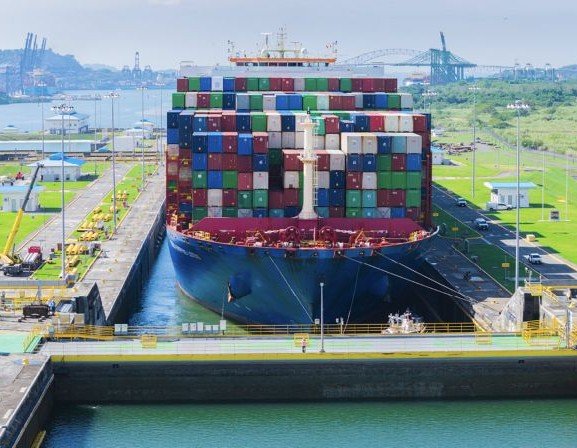
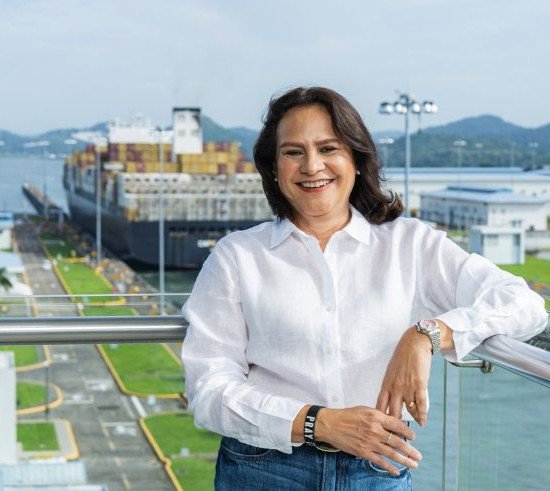
Every time I see a ship passing through the locks, I still feel that same sense of wonder at the engineering behind it. And today, as we face new challenges such as the Río Indio reservoir project, my enthusiasm remains intact. Since 2006, I’ve kept the phrase on my phone Never a dull moment,because there are always challenges at the Canal. The key is having committed people, because infrastructure alone doesn’t keep the waterway moving.
RP: You mentioned the Canal’s relationship with its unions. How do you manage that interaction with the workforce?
I.E. de M.: Unions have been part of the Canal’s history since the days of the U.S. administration. Our relationship is cordial and characterized by mutual respect and a shared sense of pride in the institution. The quality of our workforce becomes especially evident in critical moments: during the pandemic, we operated without interruption, and during severe droughts, our team responded with tremendous operational creativity. The institution’s success is a direct reflection of the dedication of its workforce.
RP: Turning to the critical issue of water and the current water challenge, how is the Río Indio reservoir project progressing, and how do you view the Canal’s relationship with the communities involved?
I.E. de M.: Water in Panama used to be taken for granted. But after the droughts of 2015, 2019, and 2023, that reality changed dramatically. We also have to consider that the Canal’s lakes supply drinking water to more than two million people in the country’s most densely populated areas.
That is why the Board of Directors approved the development of the Río Indio project. It encompasses 38 communities across Panamá Oeste, Coclé, and Colón and will directly affect some 550 families, approximately 1,600 people. We have worked in accordance with international standards established by the International Finance Corporation (IFC) to conduct socioeconomic and environmental surveys and establish fair compensation and mutually agreed-upon resettlement plans.
To build trust, the Canal has developed initiatives including solar panels for schools, rural water systems, land titling, and payments for environmental services to families that protect forest cover. We have reached agreement on the compensation framework with the vast majority of the participating families.
RP: The Canal connects more than 180 global maritime routes. How does this century-old waterway remain competitive amid the rapid transformations taking place in global trade?
I.E. de M.: Competitiveness requires continuous innovation, operational reliability, and environmental sustainability. In today’s logistics industry, being the shortest route is not enough; you also have to be the most efficient and the safest.
We continually invest in technology, from optimizing the reservation system and vessel traffic scheduling to real-time data management. Likewise, ensuring long-term water security through projects such as Río Indio means securing the Canal’s competitiveness for the next 50 or 100 years. If the global maritime industry finds certainty and reliability in Panama, the Canal will continue to be the preferred route.
RP: Finally, if you could speak to the 23-year-old Ilya who was just beginning her career at the repair docks in Colón, what advice would you give her?
I.E. de M.: I would tell her not to be afraid of taking on big challenges, to trust fully in her abilities, and to never stop learning. I would tell her that moments of uncertainty and overwhelming situations—whether leading unfamiliar areas or facing personal and professional crises at the same time—are the experiences that will shape her character as a leader.
I would advise her to always cultivate empathy, humility, and teamwork, because great engineering works are not driven by machines, but by committed people. And, above all, I would tell her to enjoy every step of the journey, because she is going to have an extraordinary adventure.
Leave a Reply