Rio de Janeiro through the eyes of a local: The city seen through the locals
- November 13, 2025
Rio de Janeiro feels different when you experience it with a local. Beyond Christ the Redeemer and the beaches, there’s a vibrant city that reveals itself in bars with character, bohemian corners, plenty of samba, and secrets only a Carioca knows. In the year that Copa Airlines celebrates 25 years of flying to Brazil, this article is an invitation to experience Rio like they do: with rhythm, flavor, and soul.
By: Alexa Carolina Chacón • Photos: Luciano Salazar
Every friend I told about my next destination envied me for the trip and insisted it would change my life. Rio de Janeiro has a captivating, mystical power. Its relaxed spirit, inspired by the beach and its lush nature, is impressive, enveloping visitors and making them feel small.
The towering hills—those granite mountains that frame some of the world’s most iconic beaches—demonstrate nature’s captivating ways of expressing itself. In this city, buildings cling to the hillsides, trails emerge from the jungle, and the sea is visible from every corner, an integral part of Rio’s soul. Rio wasn’t built against nature, but rather in harmony with it.
This experience, guided by the Rio de Janeiro by Cariocas tourism agency, reveals the city from its internal codes: knowing where to have a beer at sunset, how to experience samba out of season and how to enjoy the beach even when the wind and mist are cold.
Icons where tourists and locals meet
Sugarloaf Mountain, one of the most recognizable landmarks on the planet, isn’t just a tourist attraction. For locals, taking the cable car up or hiking—for the more adventurous—is a way to connect with the city from above. To one side, Christ the Redeemer peeks out from the Corcovado peak, surrounded by urban jungle and open sky. In front, the perfect curve of Copacabana beach stretches out, bustling with activity, while Guanabara Bay shimmers, dotted with sailboats. Neighborhoods like Botafogo, Flamengo, and Niterói are also visible in the distance, as well as the verdant contours of Tijuca Forest and the rolling hills that adorn the city.
Monique, our easygoing guide and a true Rio native, tells us that the next spot is a local favorite that few visitors get to experience. At the foot of the hill is the Mureta da Urca, a seawall that has become, over time, the most laid-back epicenter of Rio’s after-party carioca. No reservations or dress code are needed; just an ice-cold beer from Bar Urca and a plate of chicharrón are all you need to watch the sunset. At the Mureta, you understand that in Rio, “wasting time” isn’t a waste, but a form of wisdom.
A city that beats with history and drums
The city was born in Rio’s urban center, and with it, much of Brazil’s political, cultural, and artistic history. The Imperial Palace, the Municipal Theater, and the Royal Portuguese Reading Room are essential sites that dazzle with their beauty and attention to detail. The Monastery of São Bento, with its gold-covered Baroque altarpieces, offers a moment of pause and reflection. Take the time to sit and admire the details, even if you are not religious. The imposing Metropolitan Cathedral of São Sebastião, with its Brutalist cone-shaped architecture and colorful stained-glass windows, invites the same.
If history is the essence of Rio, samba is its pulse. We visited the headquarters of Acadêmicos do Grande Rio, one of the Sambadrome’s favorite samba schools, where we witnessed their creativity, devotion, and collective joy. They showed us their warehouse of floats, dressed us in fantasy costumes, and even taught us how to samba. What few people know is that Carnival preparations take up almost the entire year: drum and vocal rehearsals begin in June, the first technical rehearsals are held in November, and by January, the city is already buzzing with excitement.
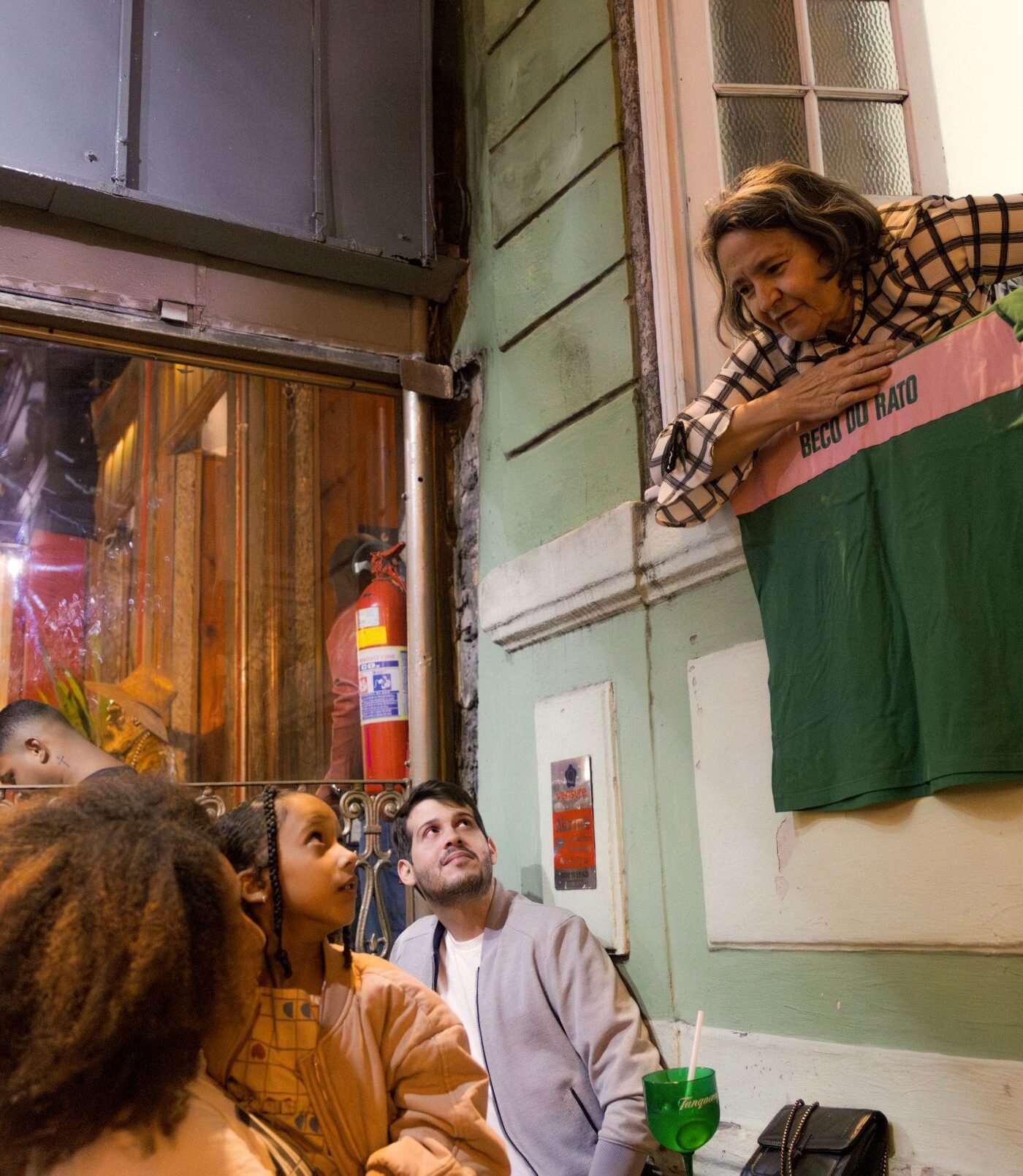
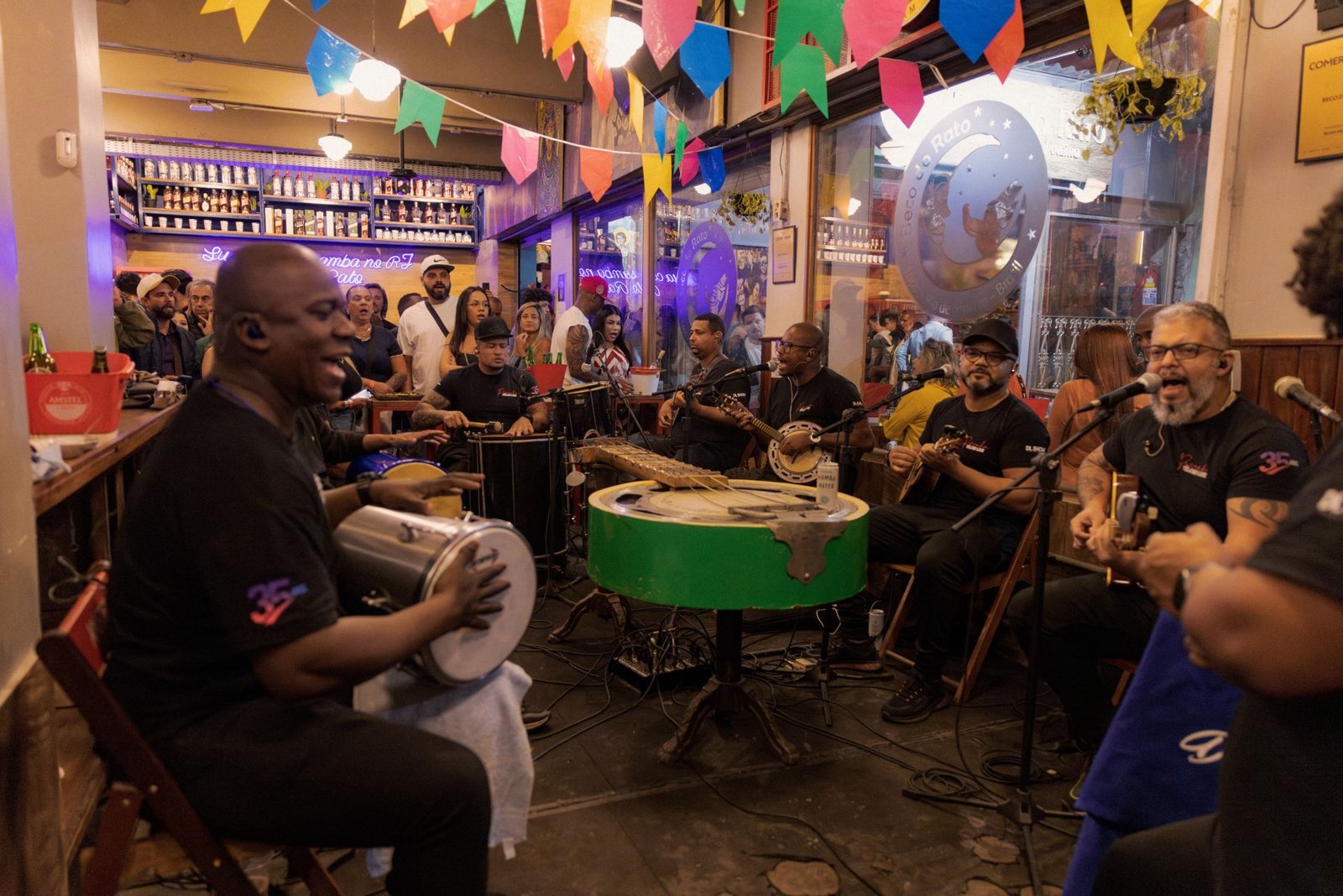
When night falls, Rio comes alive. The Lapa neighborhood is the place to understand the Carioca party spirit. We stopped at Beco do Rato, a legendary bar where the samba circle envelops you with the same magic as nature itself. Men and women sing with their eyes closed, and a table becomes a drum. Around it, the samba group plays songs that sound as much like nostalgia as joy.
The sacred and the bohemian on the same hill
From every corner of Rio, he’s there: with open arms, ready to welcome anyone who arrives, devotee or not. Christ the Redeemer is not just an architectural icon; visible from almost the entire city, he represents that unique blend of spirituality, pride, and beauty that defines the Carioca. Climbing to his base, atop Corcovado Mountain, is almost a pilgrimage. It will be crowded with tourists, but don’t hesitate if it’s your first time in Rio.
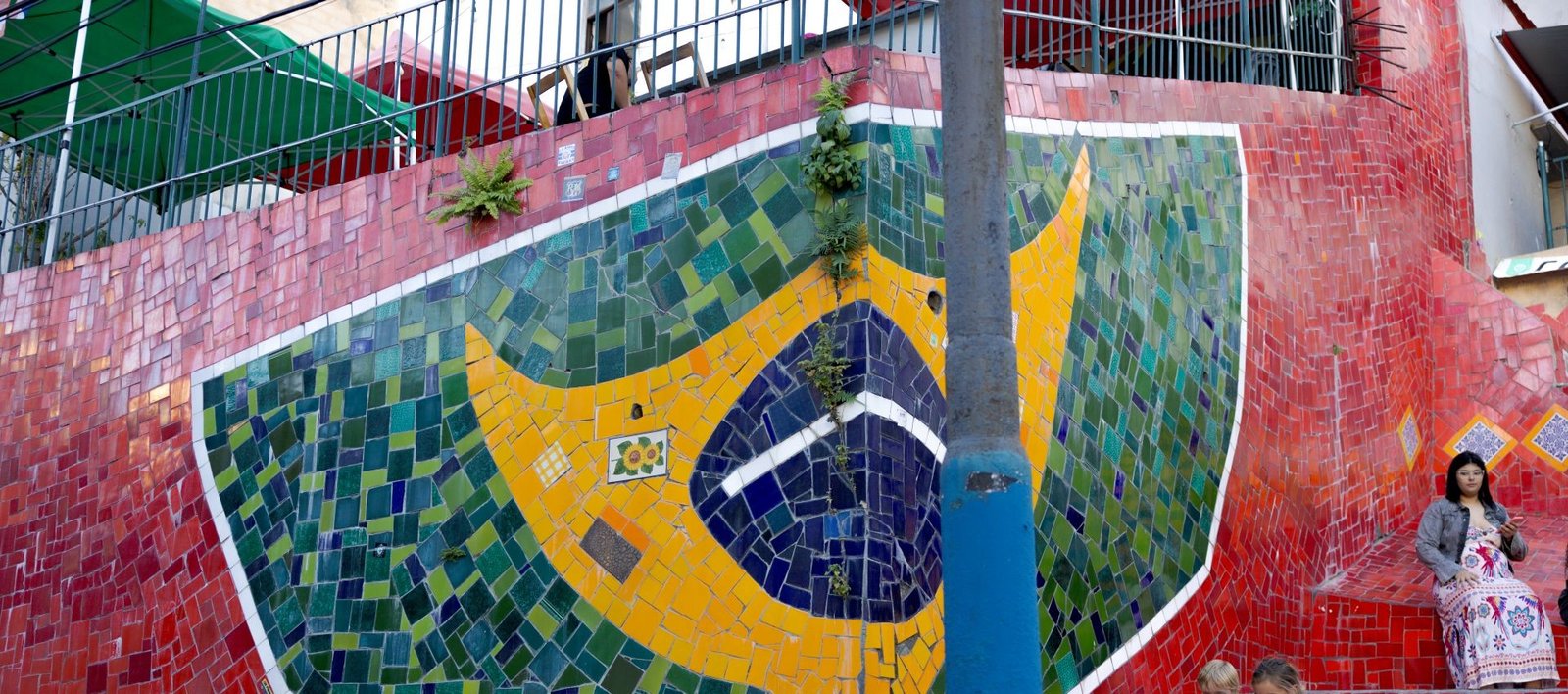
A few minutes’ walk downhill, with a change of atmosphere without leaving the hill, you’ll find Santa Teresa. It’s a neighborhood of cobblestone streets that wind between old houses, artists’ studios, bookstores, and tiny galleries that seem like hidden gems. As if at the meeting point of the divine and the artistic, there are the Selarón Steps. This mosaic, made of more than two thousand tiles from all corners of the world, was the obsession of the artist Jorge Selarón, Chilean by birth and a Latin American at heart.
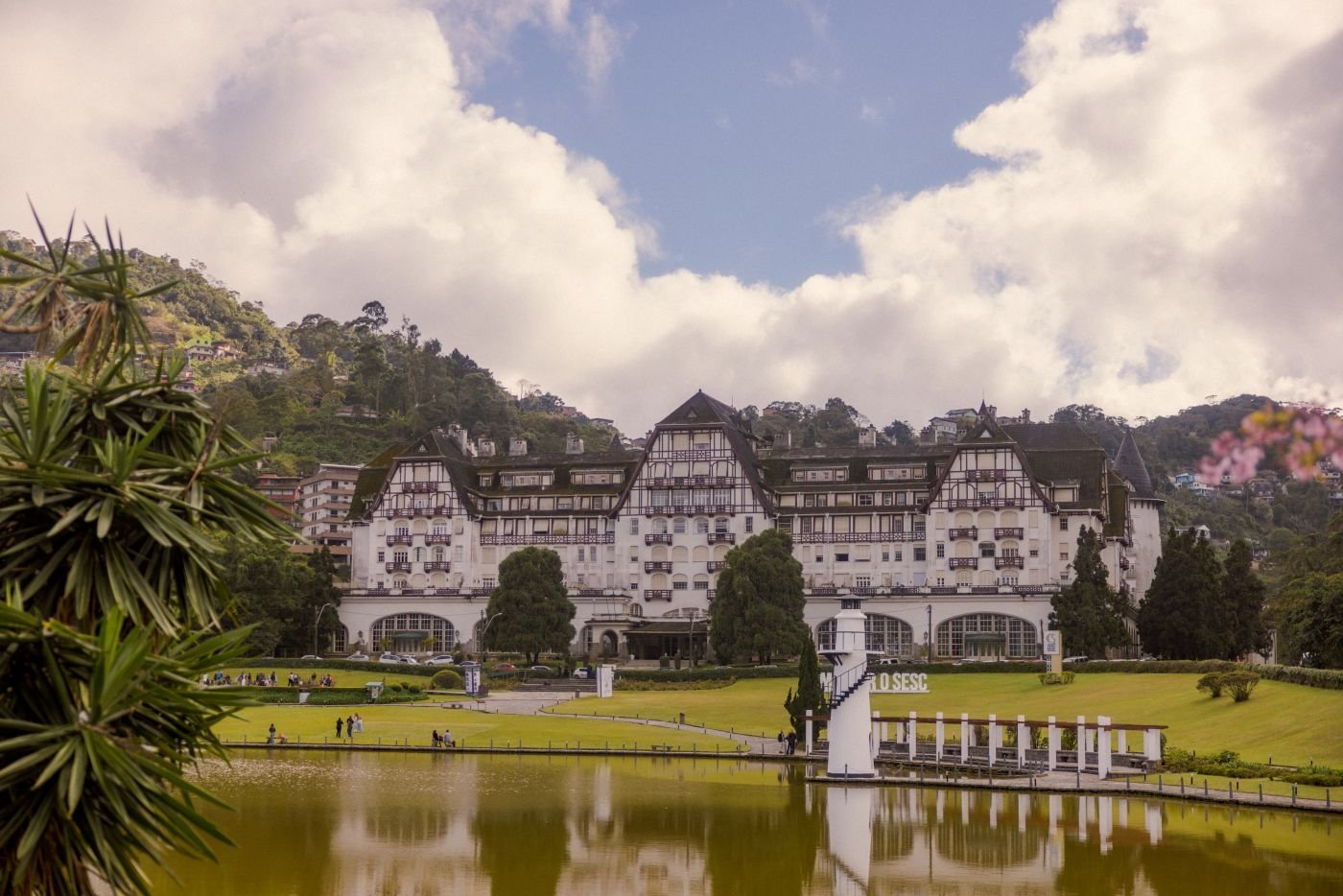
Petrópolis: the imperial secret of the Cariocas
From every corner of Rio, he’s there: with open arms, ready to welcome anyone who arrives, devotee or not. Christ the Redeemer is not just an architectural icon; visible from almost the entire city, he represents that unique blend of spirituality, pride, and beauty that defines the Carioca. Climbing to his base, atop Corcovado Mountain, is almost a pilgrimage. It will be crowded with tourists, but don’t hesitate if it’s your first time in Rio.
A few minutes’ walk downhill, with a change of atmosphere without leaving the hill, you’ll find Santa Teresa. It’s a neighborhood of cobblestone streets that wind between old houses, artists’ studios, bookstores, and tiny galleries that seem like hidden gems. As if at the meeting point of the divine and the artistic, there are the Selarón Steps. This mosaic, made of more than two thousand tiles from all corners of the world, was the obsession of the artist Jorge Selarón, Chilean by birth and a Latin American at heart.
Pack boots for walking in the green
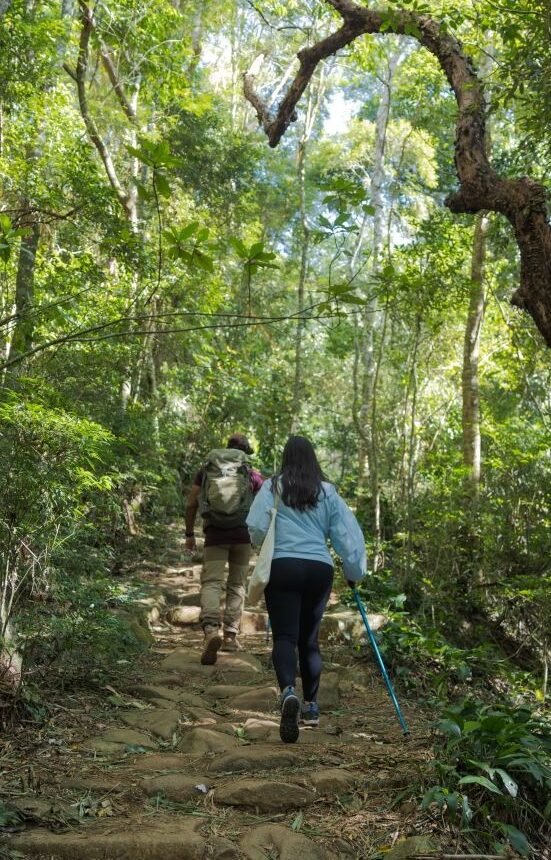
Rio is not just beaches. In reality, greenery is the true protagonist of its landscape. Hiking through the hills and climbing to a natural viewpoint are part of the Rio experience. Here, nature isn’t confined to the outskirts: it permeates the city, breathes through it, and shapes it.
One of the best places to do this is Tijuca Forest, the world’s largest reforested urban forest. From there, you can access the trail to Pedra Bonita, a 30- to 40-minute hike (easy to moderate level) on a well-marked and safe path. The reward at the top is one of Rio’s most breathtaking views: from the Atlantic Ocean and São Conrado Beach to Christ the Redeemer in the distance, all framed by verdant hills that seem to float.
Another unmissable and very local excursion is to Ilha da Gigóia, a small paradise hidden among the canals of Barra da Tijuca, accessible only by boat. It feels like you’ve left Rio without actually doing so. Everything there is peaceful and surrounded by mangroves. We had lunch at Ocya, a restaurant built on stilts with a contemporary culinary offering that blends Brazilian ingredients with international techniques.
Rio de Janeiro is best understood when you walk slowly, observe with curiosity, and listen with your whole being. May this article guide you through the city as a local would… from the inside.
How to reserve
Visits are organized through the STRI Public Program (bci@si.edu). Advance notice is required, specifying the date, number of people, ages, nationality or residency, and preferred language. Special lunch requests are also welcome. Once availability is confirmed, an email will be sent with rules, recommendations, and important reminders: appropriate clothing, reusable water bottles, rain gear… and absolute punctuality. The boats won’t wait; the rainforest will.
Leave a Reply