ExperiencesBarro Colorado | La selva como maestra
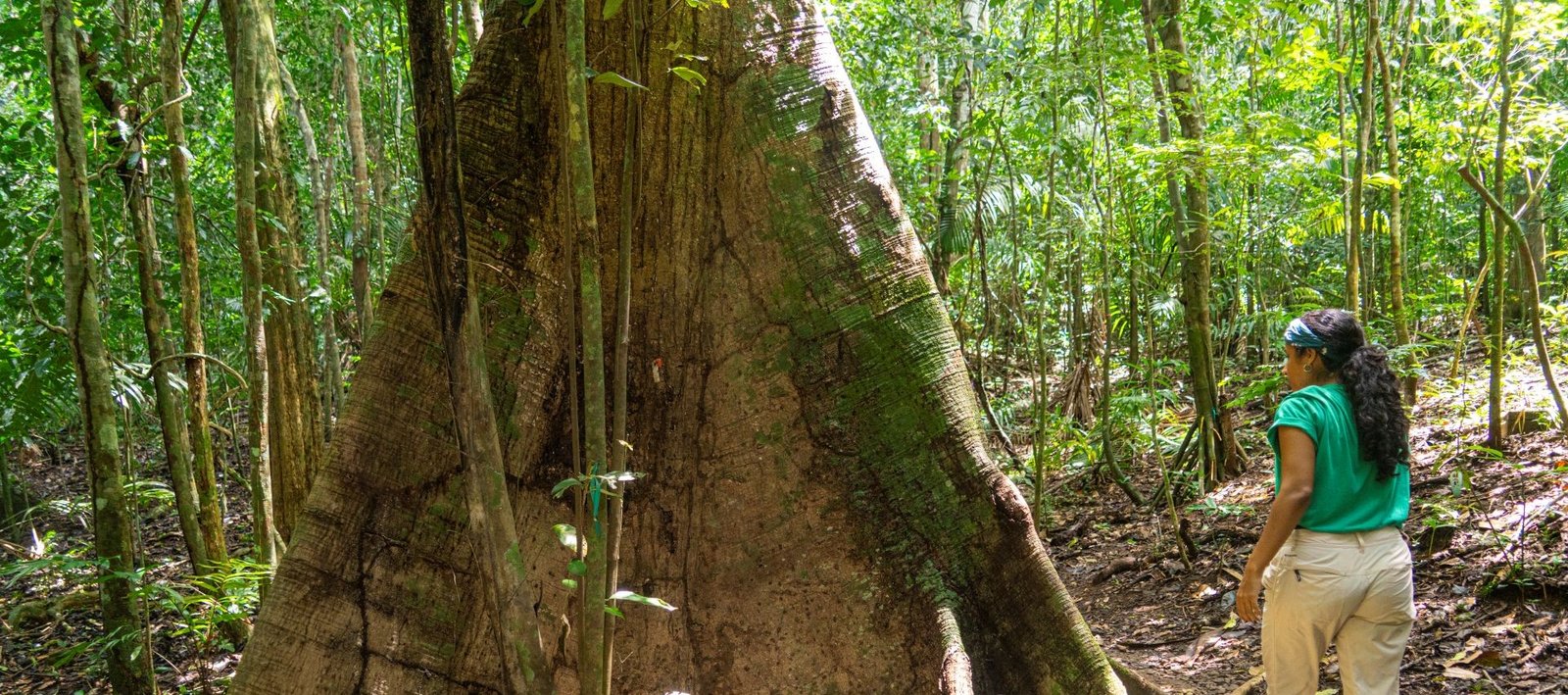
"Researcher walking beside a giant tree in the tropical rainforest of Barro Colorado, Panama."

Barro Colorado | La selva como maestra
This piece of land, surrounded by the waters of the Panama Canal, seems suspended in its own time. Here, in barely fifteen square kilometers, the Smithsonian Tropical Research Institute has, for more than a century, woven one of the most extensive records of tropical forests. But the true gift for the traveler is something else entirely: the opportunity to feel the intimate pulse of the tropics, step by step, breath by breath.

Text and photos: Javier A. Pinzón

The journey begins early at the Gamboa dock. As the mist dissipates over the Chagres River, a boat prepares to navigate the waters of the Canal. On one side, cargo ships advance with the solemnity of giants; on the other, herons and cormorants cast shadows on the surface. The trip lasts barely half an hour, but it already leaves the feeling of having crossed an invisible border: from the human world to the realm of the jungle.

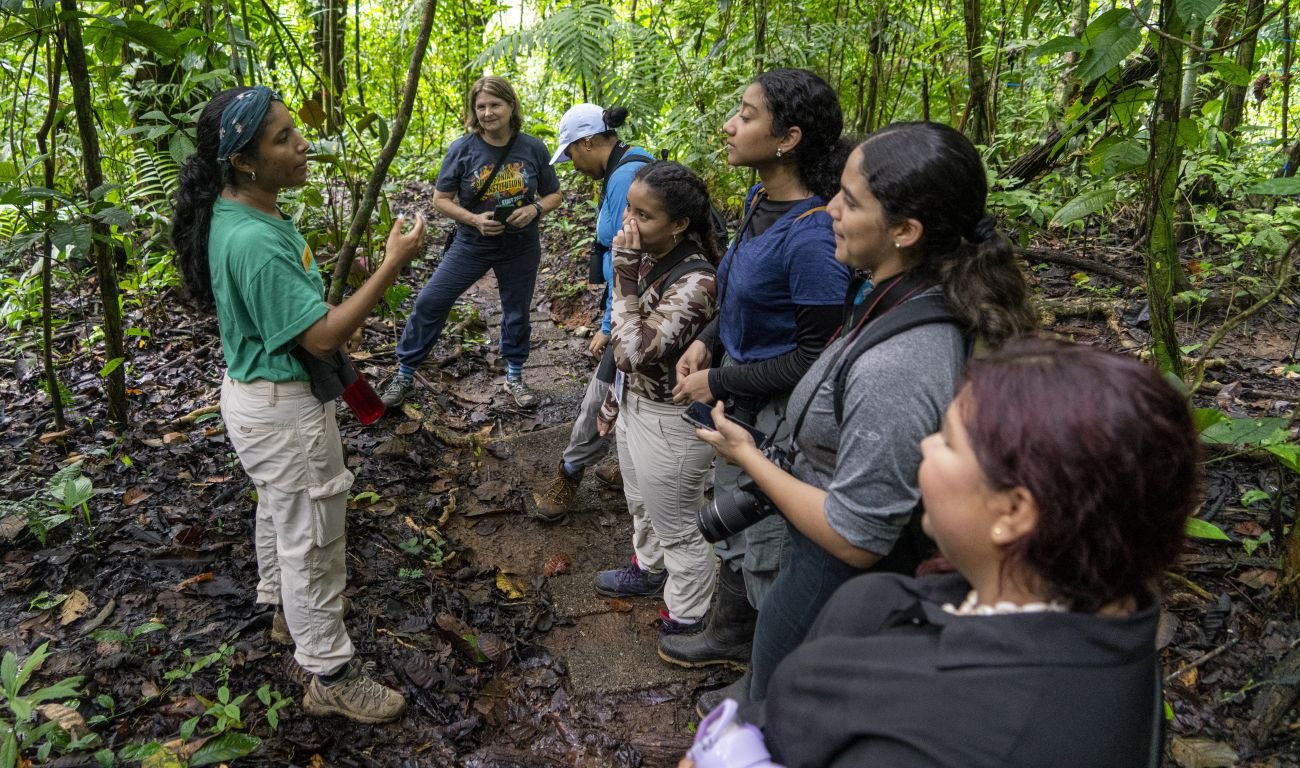
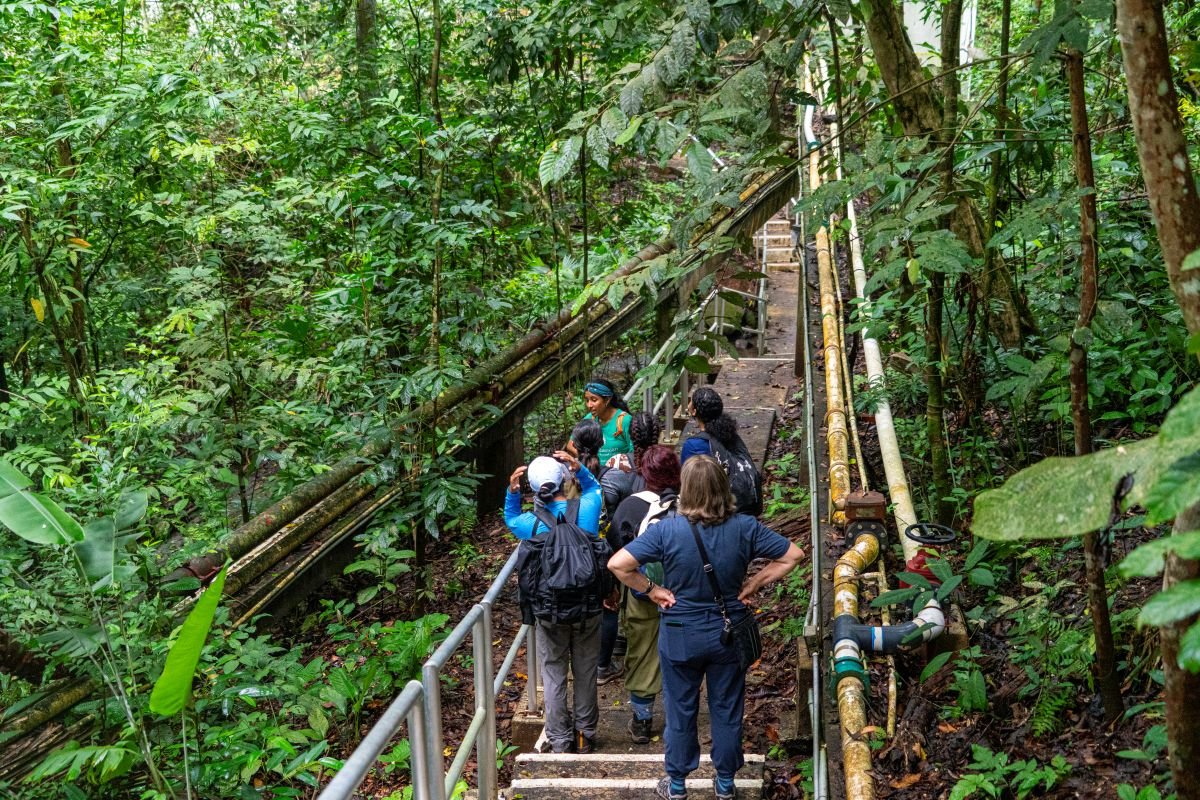
Interpretive guide with visitors exploring the Barro Colorado rainforest, Panama.
In Barro Colorado, the fauna can be heard and sensed: deer tracks, fruits opened by coatis and agoutis, and the sound of spider monkeys among the trees.

Upon arrival, visitors understand they are not entering a tourist park, but a sanctuary of knowledge. Since 1923, Barro Colorado has been a haven for scientists who, notebook and compass in hand, decipher the mysteries of tropical life. A brief talk, a shared coffee, and some safety recommendations mark the beginning of the adventure. The trails are short in distance, but long in intensity: steep slopes that challenge the body, humidity that soaks the skin, and air saturated with verdant fragrances.

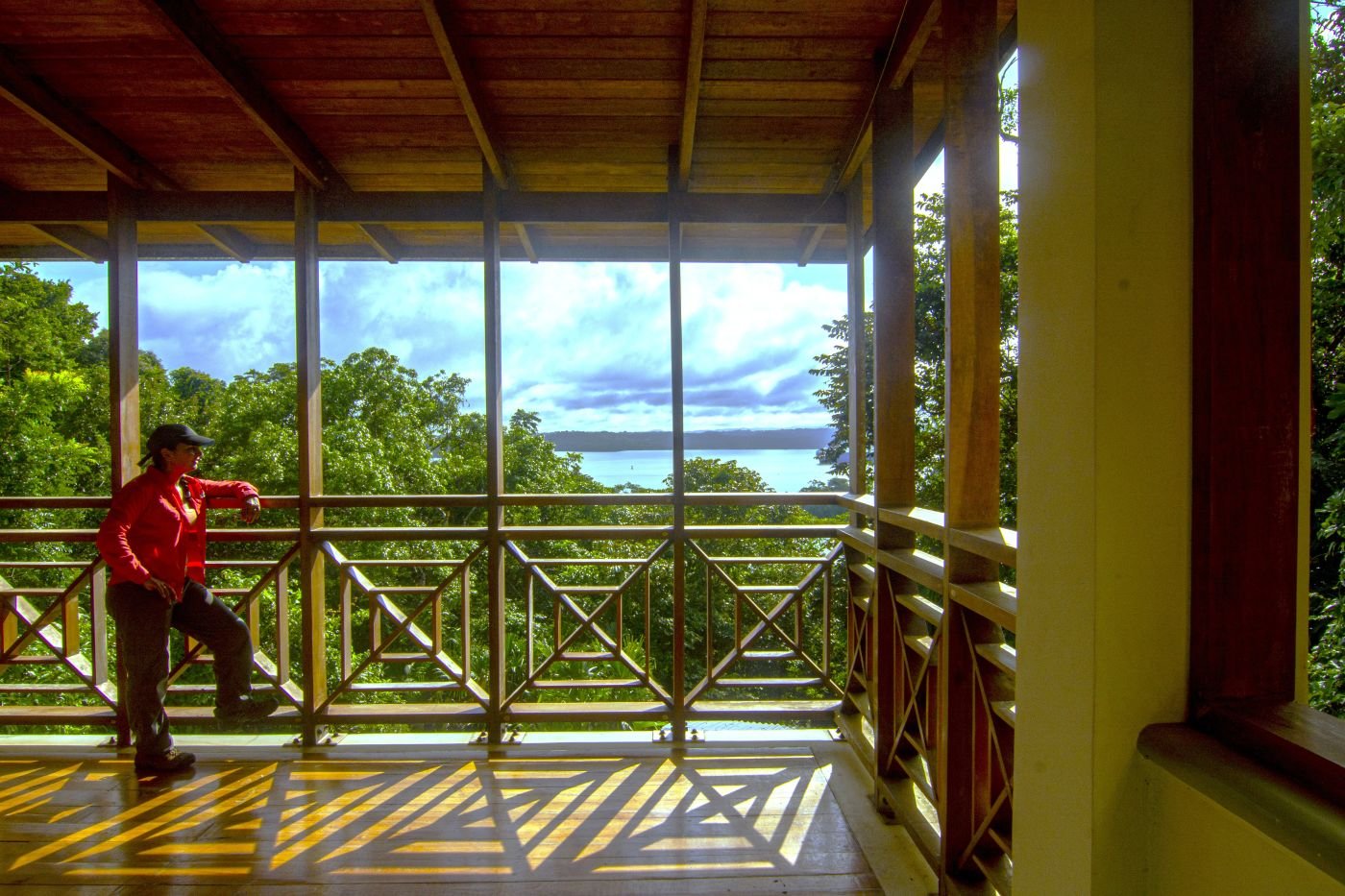
A visitor observes the rainforest and Gatun Lake from the Smithsonian Institution's Barro Colorado Observatory in Panama.
Tourists explore the authorized trails that, like Donato or Fausto, cross the island's research areas.

First steps in the jungle

Lorem ipsum dolor sit amet, consectetur adipiscing elit. Ut elit tellus, luctus nec ullamcorper mattis, pulvinar dapibus leo.

The forest unfolds like a natural temple. The buzzing of cicadas provides a constant backdrop; in the distance, the roar of howler monkeys reverberates like an ancient drum. Every leaf, every damp trunk seems to tell a story.

The island itself was born from a geographical accident: when the Chagres River was dammed to create Lake Gatun, a forested hill was isolated by the waters. Today, that fragment of jungle turned island has become one of the most fascinating settings for tropical science.

Since 1923, Barro Colorado has been a refuge for scientists who decipher the mysteries of tropical life.

At every step, the guides teach you to see what goes unnoticed: a hanging nest of Aztec ants that jealously guard the tree that shelters them; a very tall cuipo tree, erect like a sacred column, favorite home of the harpy eagle; the implacable embrace of a strangler fig, which climbs slowly until it suffocates its host.

The large animals are elusive, but their traces reveal their presence: deer tracks in the mud, fruit gnawed by coatis, branches that crack under the agile leap of a spider monkey… Sometimes, a troop of howler monkeys makes itself seen, their silhouettes outlined against the light of the canopy.

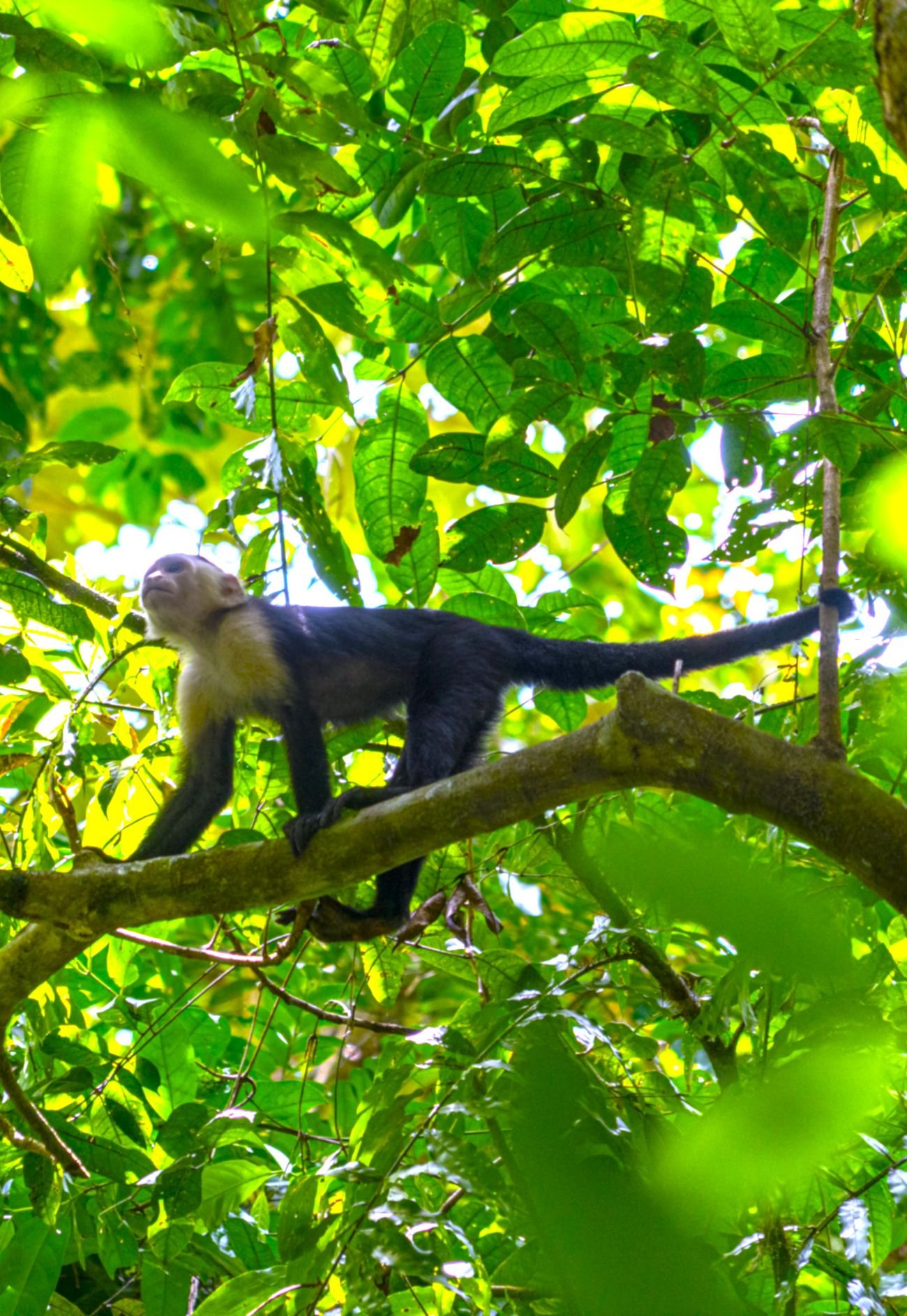
Capuchin monkey moving among the branches of the tropical forest on Barro Colorado Island, Panama.
The forest opens up like a natural temple: the sounds of the fauna announce the beginning of the journey through the Barro Colorado jungle.

Deep within the dense forest, distinct human traces emerge: bat boxes, sensors hidden in trees, and silent traps that capture traces of DNA in the air. These are pieces of a larger puzzle, where each experiment seeks to answer urgent questions: How are forests adapting to the rising heat? How do species communicate with each other? What do animals tell us about fear, coexistence, and survival?

Sometimes, visitors stumble across a researcher hard at work, camera trap in hand or marking coordinates on a map. The jungle, far from losing its mystery, only amplifies it.

A guide from the Smithsonian Tropical Research Institute explains the history of Barro Colorado to a group of visitors in the rainforest of Panama.
Barro Colorado Island was formed more than a century ago, when the waters of Gatun Lake covered the valleys after the damming of the Chagres River during the construction of the Panama Canal.

First steps in the jungle

After hours of hiking, the group returns to the facilities. The simple and comforting lunch tastes like a reward after the humidity and the exertion. Afterward, a rest in front of the viewpoint overlooking the Canal serves as a reminder of the paradox of the place: an island that is simultaneously a laboratory, a refuge, and a window to the future.

Barro Colorado receives only a few thousand visitors a year. It doesn’t seek to dazzle with artifice, but with the stark truth of the jungle. Walking here is to learn that the forest cannot be understood at a glance: you have to listen to it, touch it, breathe it, and above all, let its questions stay with you long after you’ve left.

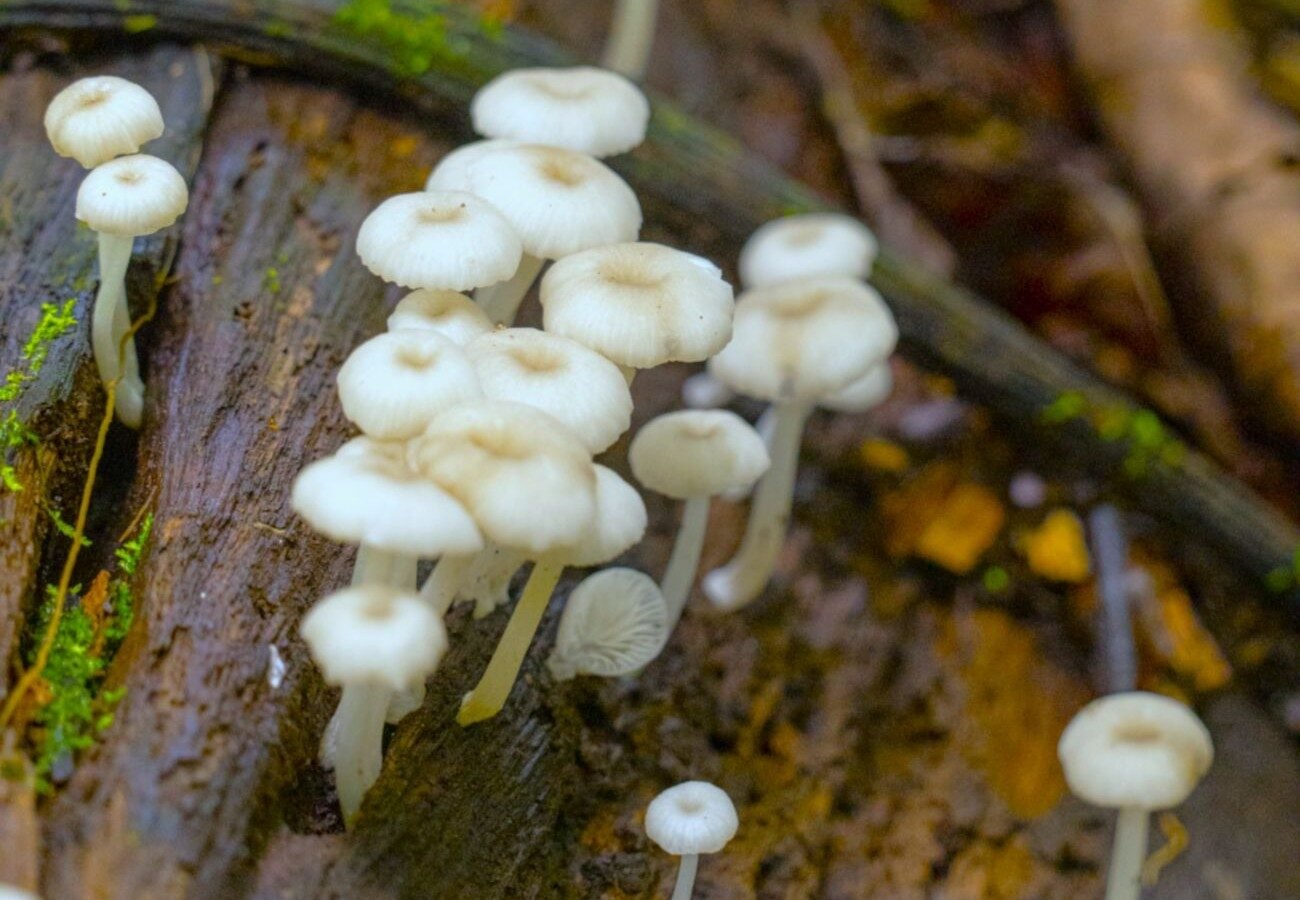
Small white mushrooms growing on a damp log in the Barro Colorado rainforest, Panama.
When the Chagres River was dammed to create Lake Gatun, a forested hill was isolated by the waters. Today, that fragment of rainforest has become a natural laboratory for tropical science.

How to reserve

Visits are organized through the STRI Public Program (bci@si.edu). Advance notice is required, specifying the date, number of people, ages, nationality or residency, and preferred language. Special lunch requests are also welcome. Once availability is confirmed, an email will be sent with rules, recommendations, and important reminders: appropriate clothing, reusable water bottles, rain gear… and absolute punctuality. The boats won’t wait; the rainforest will.

Leave a Reply

Your email address will not be published. Required fields are marked *

aa