ExperiencesAdventureMachu Picchu: A Personal Journey on the Inca Trail
Machu Picchu

Machu Picchu: A Personal Journey on the Inca Trail
By Julia Henríquez Photos: Demian Colman

Reaching Machu Picchu after four days of following the Inca Trail means pursuing a history that has been erased from history books, but never from the imagination of the people of the Americas. It means recognizing our own footsteps and reconnecting with what is most sacred about our Andes.

We arrived in Cusco carrying years of anticipation; its cobblestone streets and colonial mansions invited us to fulfill the dream at the very origin of our shared plans: to reach the sacred city of Machu Picchu by following the mythical Inca Trail.

The Inca Trail is part of the network of paths that connected Tawantinsuyu, the great Inca Empire. It is one of the few paths that survived the centuries.

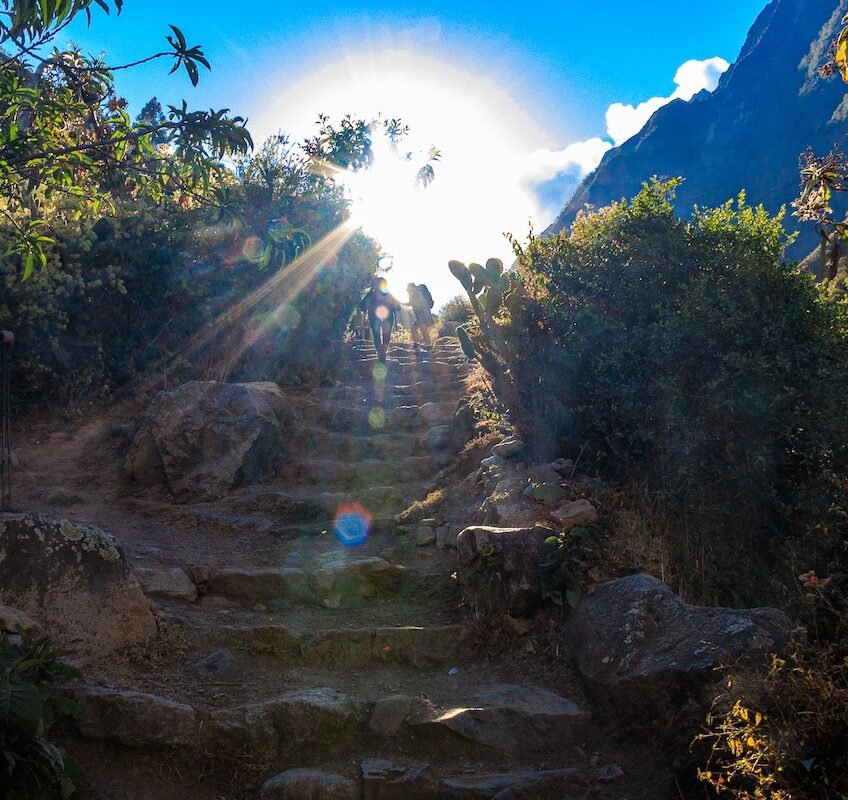
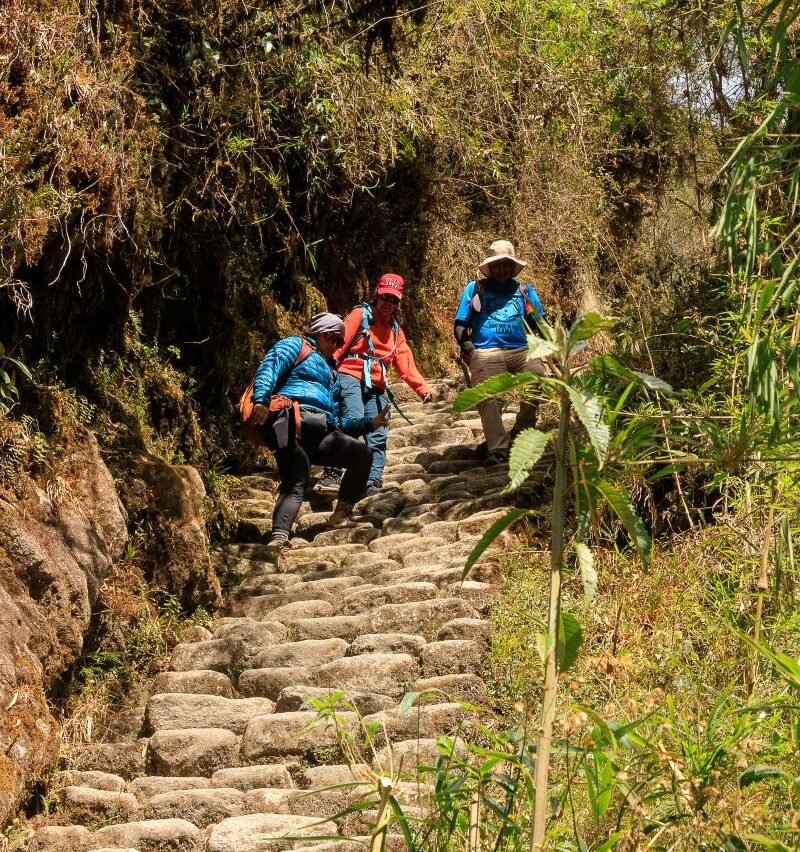
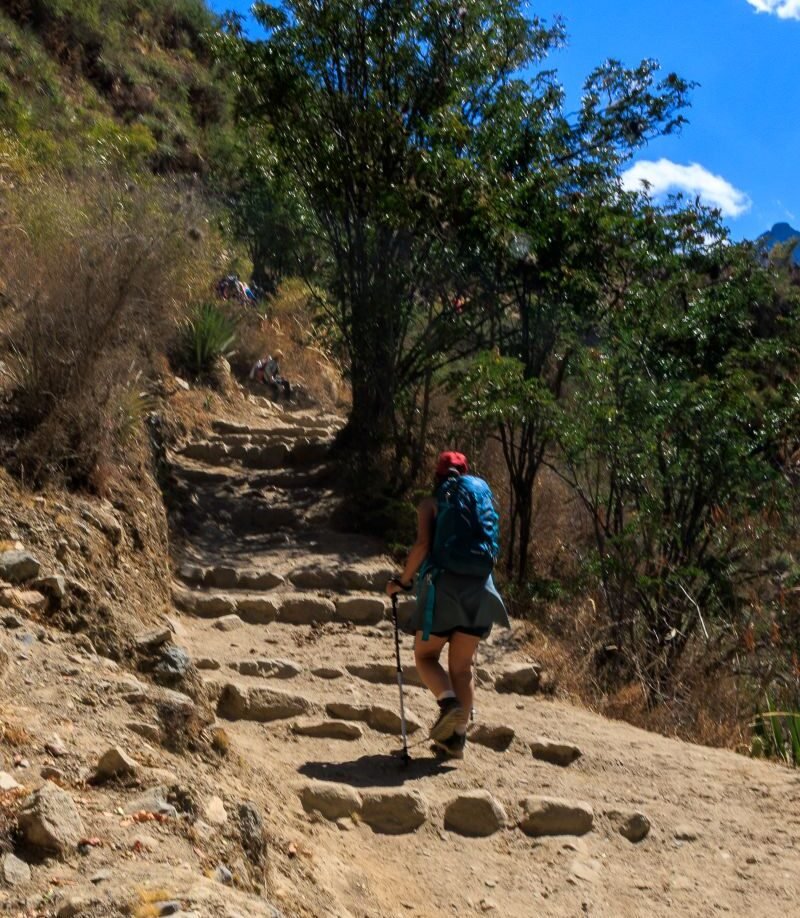
The route we will take is the classic four-day path that connected the imperial capital with Machu Picchu. Countless stone steps over the arid Andes lead into the threshold of the Amazon. The trail alternates between wide dirt paths, stone staircases carved five centuries ago, and archaeological remains accessible only on foot. Approaching this feat required months of training, as well as several days of acclimatization in Cusco. Something that, dear reader, unless you are an expert high-altitude hiker, I guarantee is necessary.

Machu picchu Trail
The trail alternates between wide dirt paths, stone staircases carved five centuries ago, and archaeological remains accessible only on foot. Approaching this feat required months of training, as well as several days of acclimatization in Cusco.

Day 1

To plan your visit: if you’re looking for water sports, beaches, shopping malls, and nightlife, choose Cabo San Lucas. If you prefer an unhurried stay, with quiet beaches, art galleries, and cobblestone streets full of handicrafts, San José del Cabo is your place. The short distance between the two lets you have it all: split your stay and make it back in time for sunset.

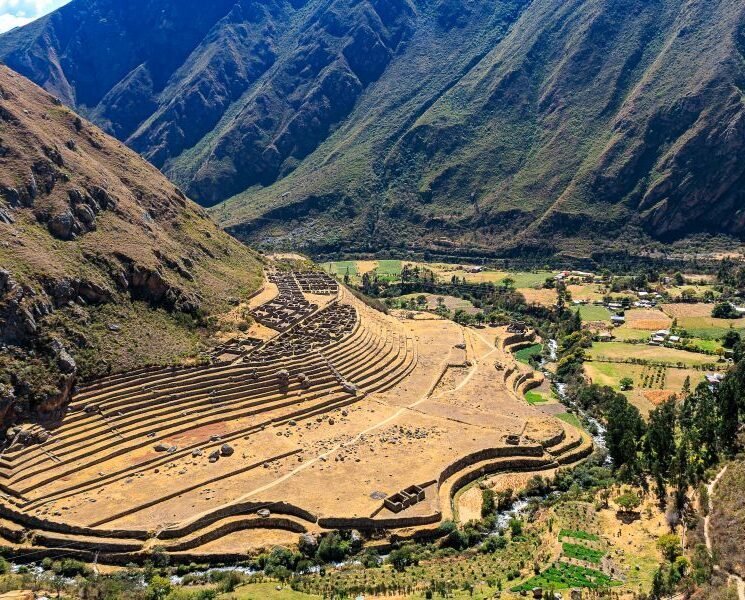
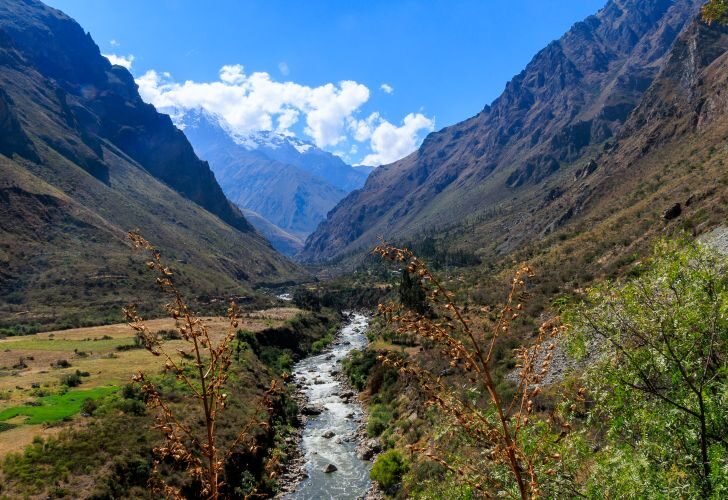
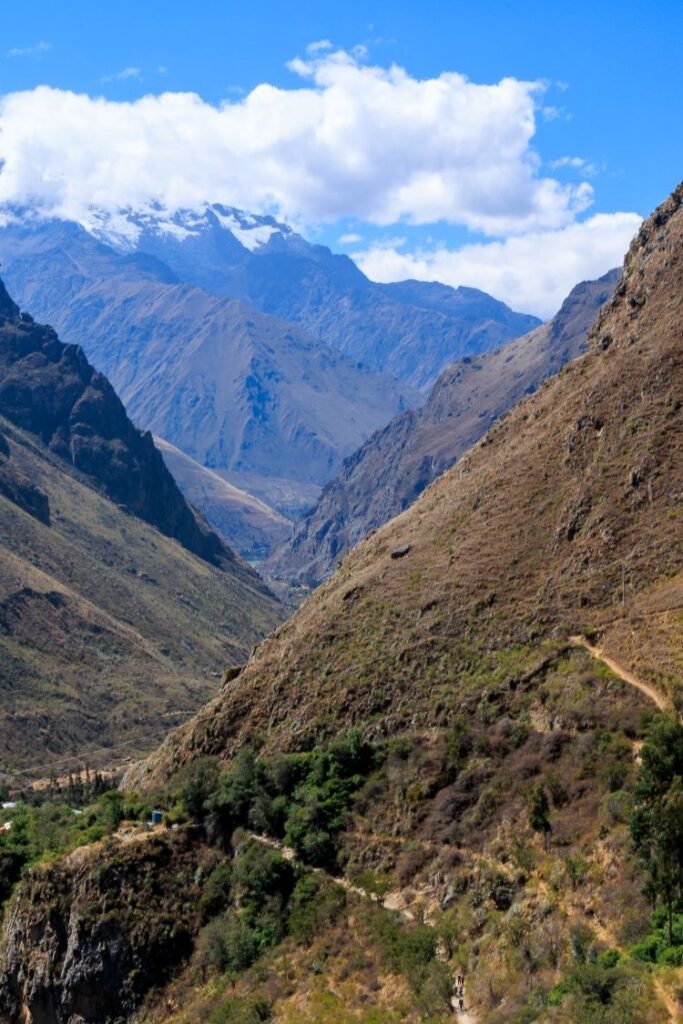
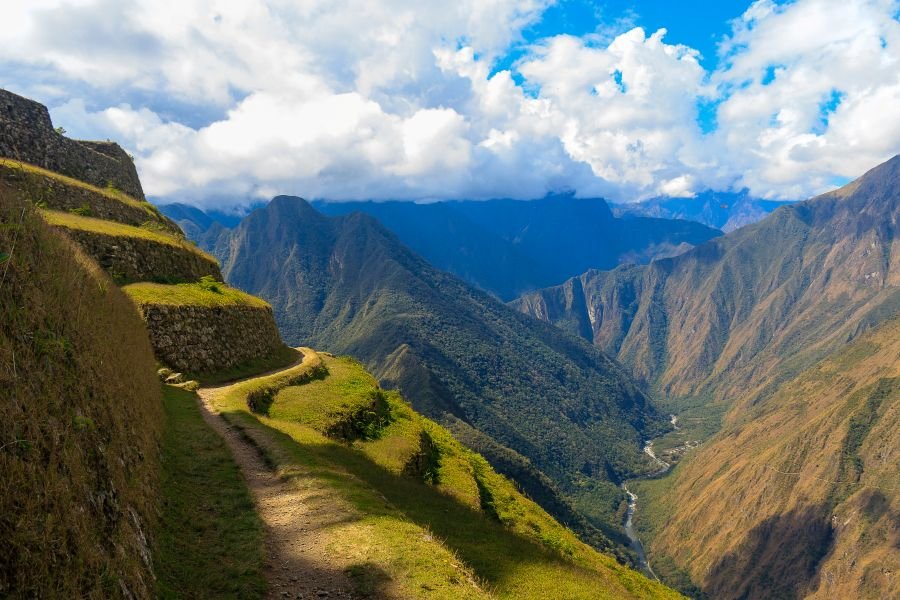
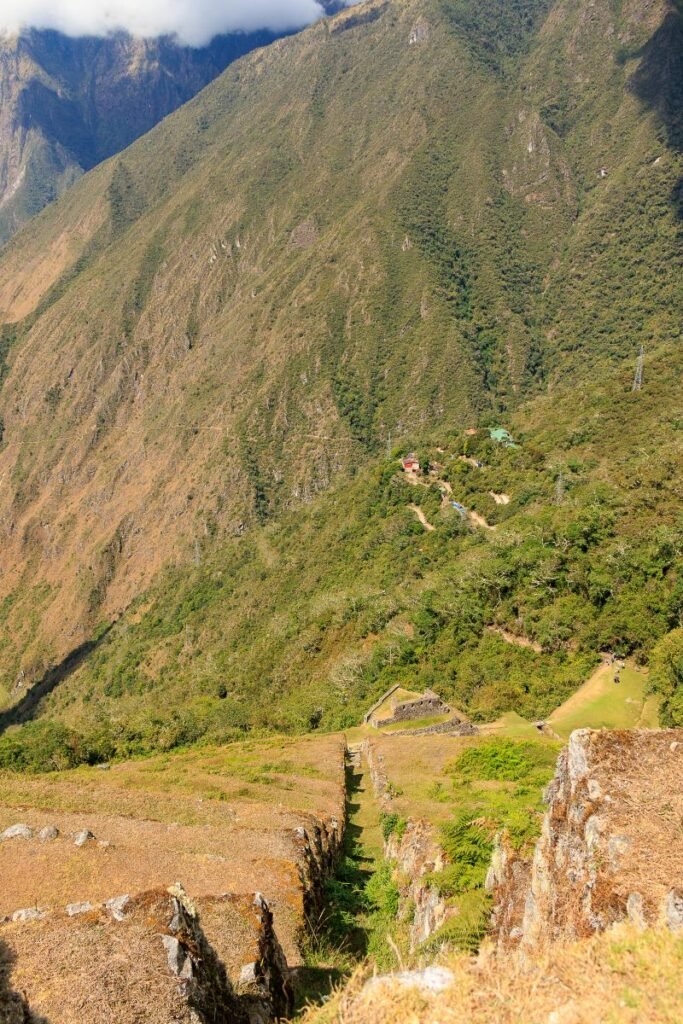
The arid Andes paint the landscape; in the background, glaciers peek out shyly at every turn and the trail opens up between green valleys. Today we visit the ruins of Patallacta, where nearly intact terraces remain sheltered by the great serpent drawn by the stones.

Willkarakay, Machu Picchu

Hike: 9 hours

Starting altitude: 2600 m a. s. l. (meters above sea level)

Maximum altitude: 3300 m a. s. l.

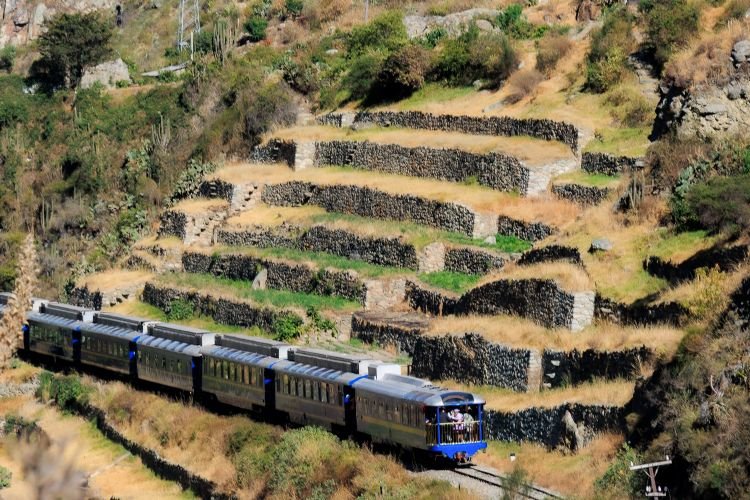
At the start of the Inca Trail, you can see in the distance the trains that connect the Sacred Valley with the town of Aguas Calientes. Their passengers will reach the park entrance in four hours; it will take us four days.

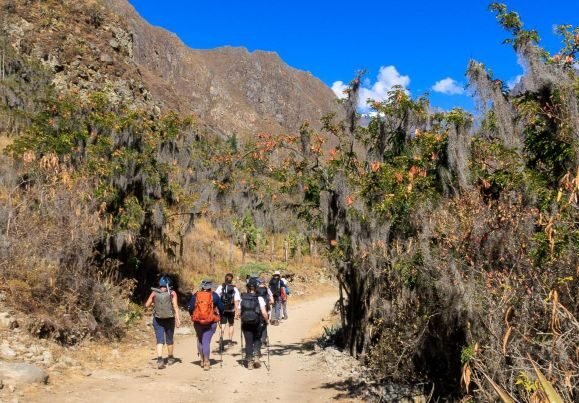
We left Cusco before twilight and headed toward KM 88. At the starting point, we formed a group of eleven people: nine travelers from different latitudes and two guides, all ready to connect with the memory of the continent.

Julio, our guide, gathers us in front of the sign announcing the start of the hike and, as if it were no big deal, we start walking. My still-inexperienced knees feel the unfamiliar terrain, so I appreciate the strategic stops that Julio, a descendant of Incas and Creoles, uses to open the door to the Andean worldview for us.

These days, Inca culture in the Andes has survived the difficult historical passage of invasions and conquests and, although quite mixed, it is still very much alive. Our day begins with a ritual to Pachamama: each of us takes three coca leaves and asks her for permission, strength, and good weather. Under a clear sky and with renewed energy, the Apus, spirits of the mountains, welcome us.

Machu Picchu- Patallacta
Patallacta Machu Picchu
Machu Picchu Km 82-

Between climbs and descents, we learn about the trilogies surrounding Andean culture: three planes (the astral, the earthly, and the underground); three sacred animals (the condor, the puma, and the serpent); and three Apus guarding the sacred city (Humantay, Salkantay, and Ausangate).

The path takes us through a small, dry, rocky forest, past tiny communities whose residents pass me by with an agility that is truly enviable.

Ayapata

At 5:30 p.m., we arrive at the campsite. Julio and Lourdes, our support guide, introduce us to the real heroes of this story.

The porters are men born in the midst of these mountains who dedicate themselves to carrying what is necessary to make our trip idyllic. On their backs, they carry our belongings, tents, food, water, and portable toilet. Before dinner, an introductory and appreciation ceremony is held for this increidible team. A recommendation: make sure your tour agency keeps a check on the weight these friends have to carry.

Huayllabamba - Machu Picchu

Dinner is full of traditional dishes, translations, and a mix of cultures. From the very first night, the camaraderie born from sharing a good table begins to form. Today was a good day, although my legs are still adjusting to the intense exertion. Fatigue fell along with the sun, and the tent promises the necessary rest.

Day 2

A “Good morning!” and a cup of hot coca tea at 4:30 a.m. kicked off the most demanding day.

The Apus welcome us once again with a perfect sky. Our legs are determined to make it, and the nerves fade away to make room for pure happiness. We are walking on the original stone steps; it is incredible to tread this sacred trail where time seems to stand still, and the only thing that exists is the need to take the next step. The group gradually disperses; those of us who, trying not to show it, carry the pain at a slow but steady pace bring up the rear.

Camino Machu- Picchu

Hike: 12 hours

Maximum altitude: 4215 m a. s. l. (meters above sea level)

Campsite altitude: 3600 m a. s. l.

Machu Picchu

We encourage one another, talk, and sing to soothe the fatigue. Sometimes, we simply move forward to the sound of our own heavy breathing. When we reach the summit of Warmiwañusqa, the freezing wind confirms our achievement.

I intertwined my hands with Demian’s, whose steps have accompanied me for the last 15 years of my life, and who now accompanies my story with his photographs.

Although it feels as if we conquered the entire world, this is only the beginning of the day. After descending to Pacaymayo for lunch, we cross the second pass before descending to the Chaquicocha campsite.

The day’s goal is to conquer two passes: first, the feared Warmiwañusqa, or “Dead Woman’s Pass”, a continuous ascent of 915 meters, and then Runkurakay, at 3956 m a. s. l., before finally descending to the campsite.

Chaquicocha

We arrive with the pride of a goal accomplished and the feeling of having left a piece of ourselves with the Apus. Sometimes you just have to stop to admire what your own body is capable of. Now all that is left is to eat, share good conversation with people who already feel like a group of friends, and go to sleep.

Machu Picchu -Photo from the walk
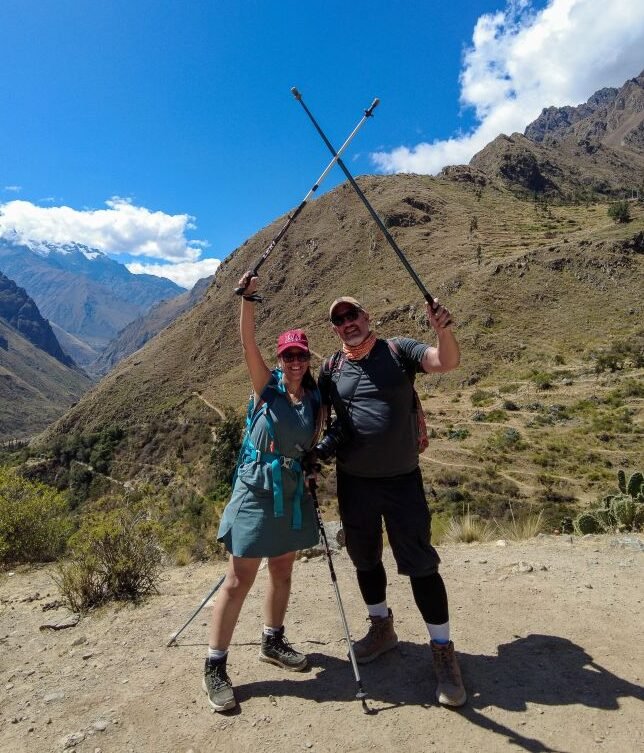
Traditional photo from the walk

Don’t miss the chance to celebrate every victory with the traditional hiker’s photo.

Llulluchapampa, Camp
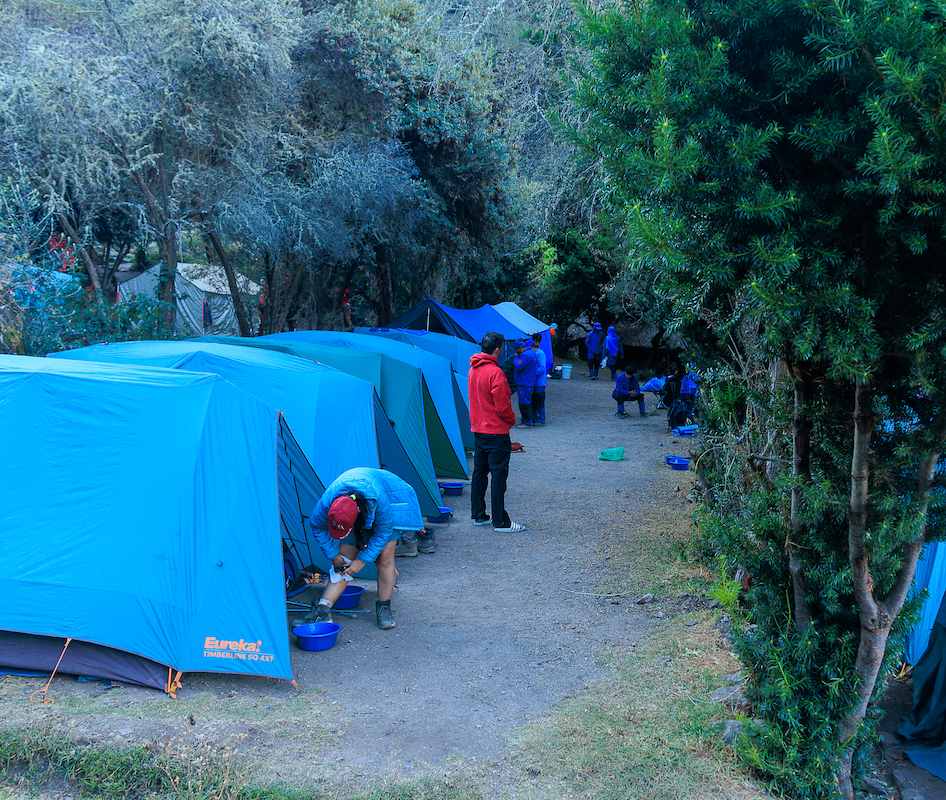
The campsites
are organized by agencies. Each group has its own space, dining area, and portable restroom. The assigned areas have limited capacity and are spread out across several stations along the route.
Day 3

Wiñaywayna Machu Picchu

Hike: 7 hours

Maximum altitude: 3660 m a. s. l. (meters above sea level)

Campsite altitude: 2650 m a. s. l.

This is the shortest section, so the day starts later. The goal is to get as close as possible to the entrance of Machu Picchu National Park. The challenge is the endless descent down steps that, while showing advanced engineering, will be the worst enemy of my thighs.

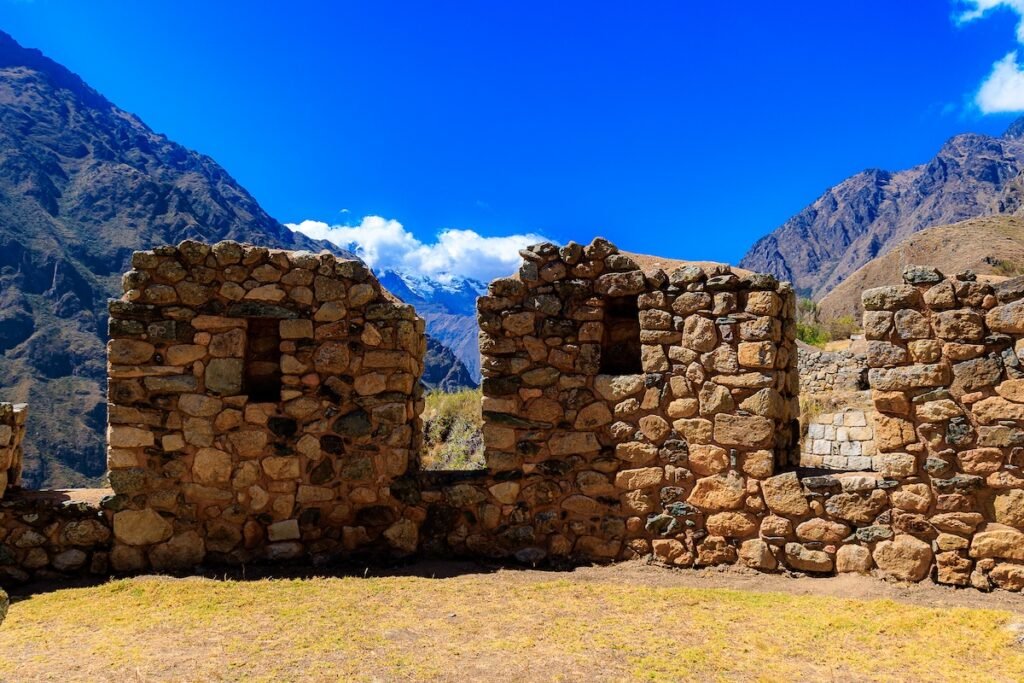
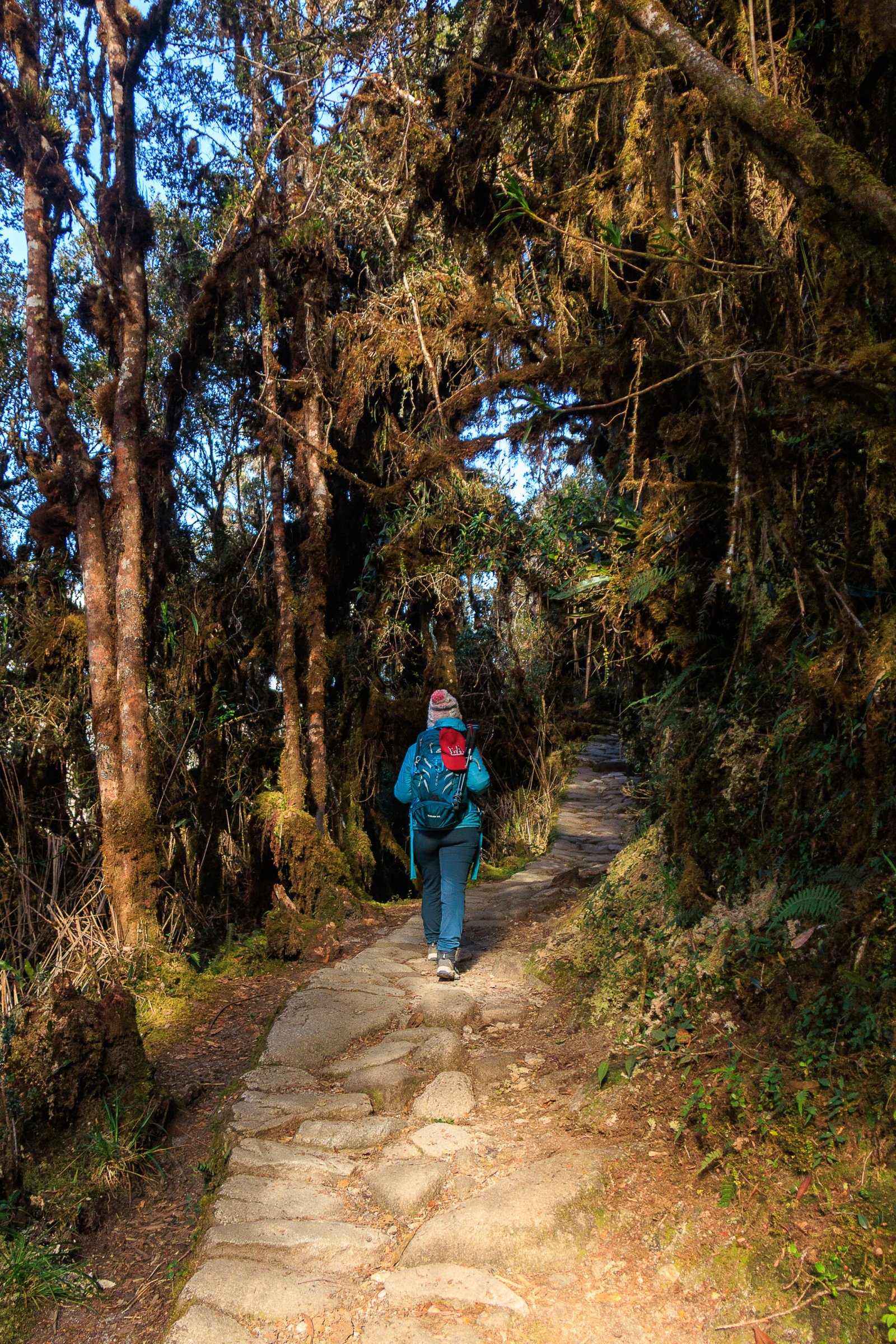
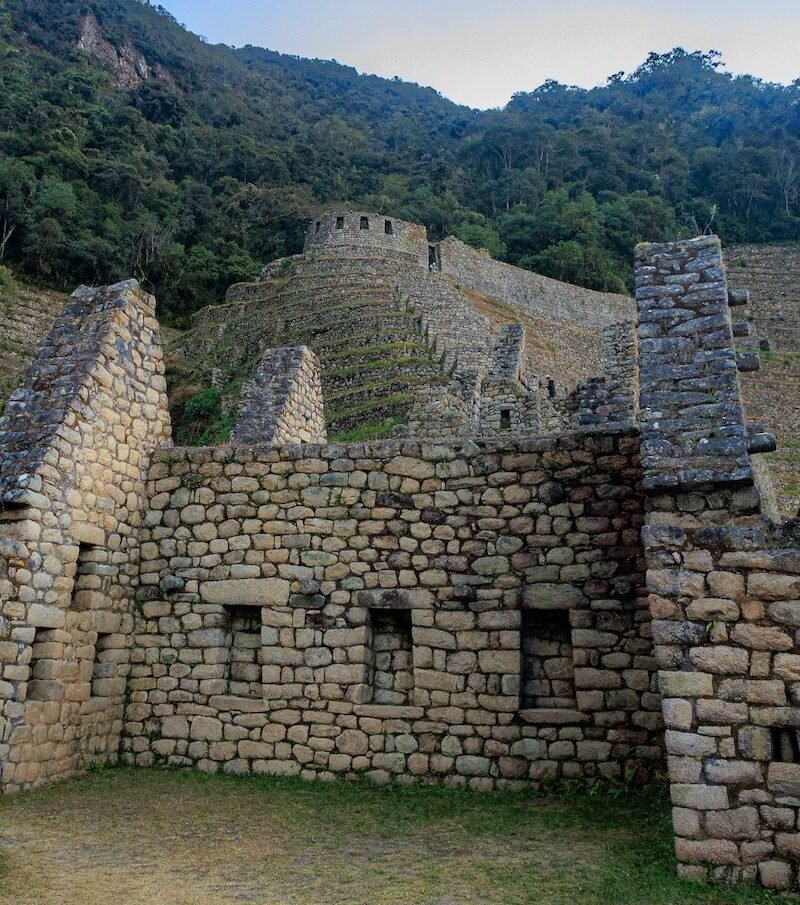
The landscape changes gradually: the air becomes dense and humid, the vegetation is thick, and moss covers the rocks. We are getting closer to the Peruvian Amazon. Today, sitting on the terraces of Intipata, in the middle of an ancestral picnic, I felt history running through my veins.

Wiñaywayna

Wiñaywayna

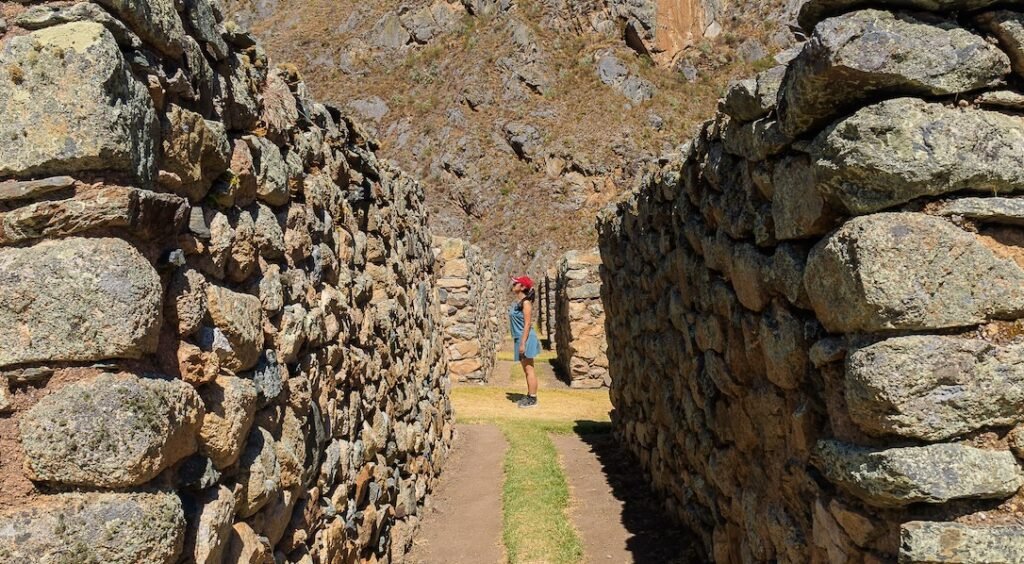
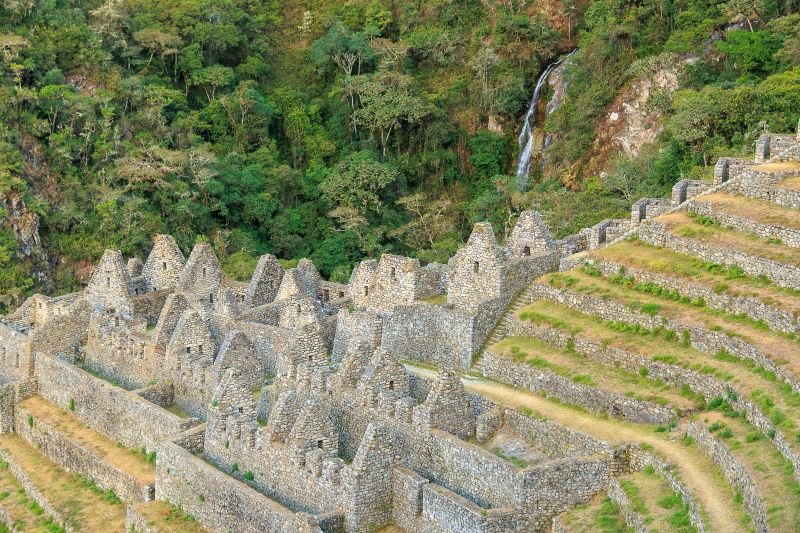
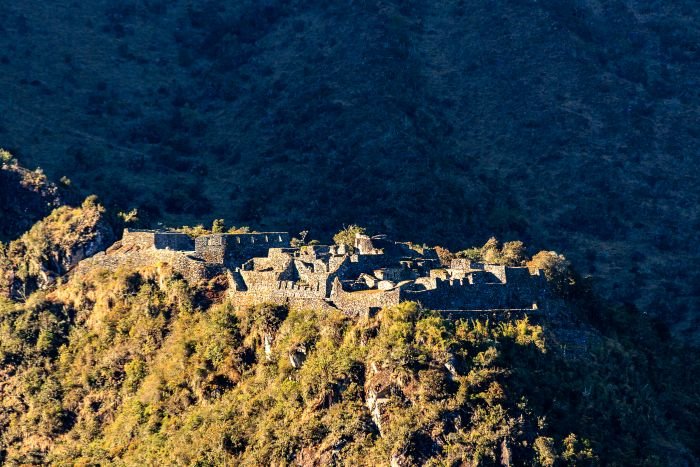
We reach our campsite before 2:00 p.m. and we use the afternoon to explore Wiñaywayna, an agricultural and religious city with significance similar to Machu Picchu, though on a smaller scale. Here, our legs make their final push, and slowly we gather together to end up in an international gathering surrounded by one of the most extraordinary landscapes you could ask for.

At our last shared dinner, recognizing the porters and cooks became essential once again. I return to the tent with a mix of indescribable feelings. I am three days into the hardest hike I’ve ever done, and just hours away from reaching a dream that seemed impossible.

Day 4

At 3:00 a.m., activity began at the campsite to get early access to the park checkpoint. At 5:00 a.m., in the dim light before dawn, we crossed the checkpoint and began the final hike toward Machu Picchu. After three days of effort, only a few hours remained before we would reach the dream that had brought us here.

Machu Picchu- Intipata

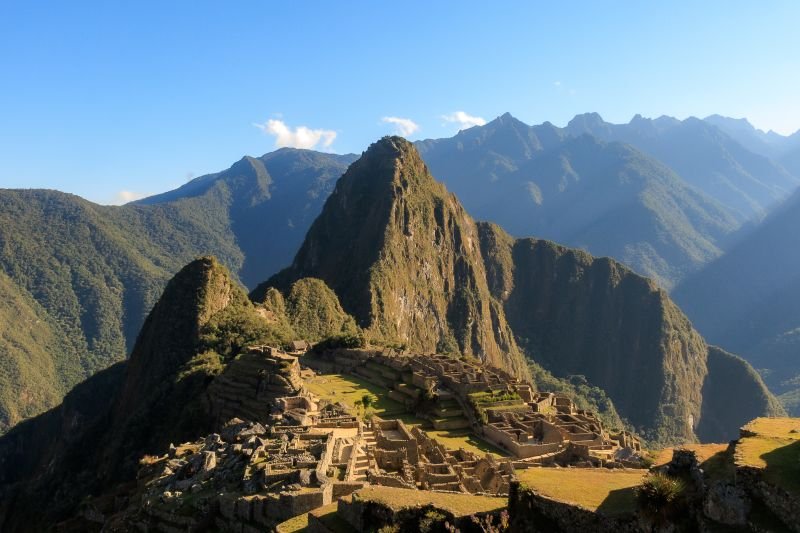
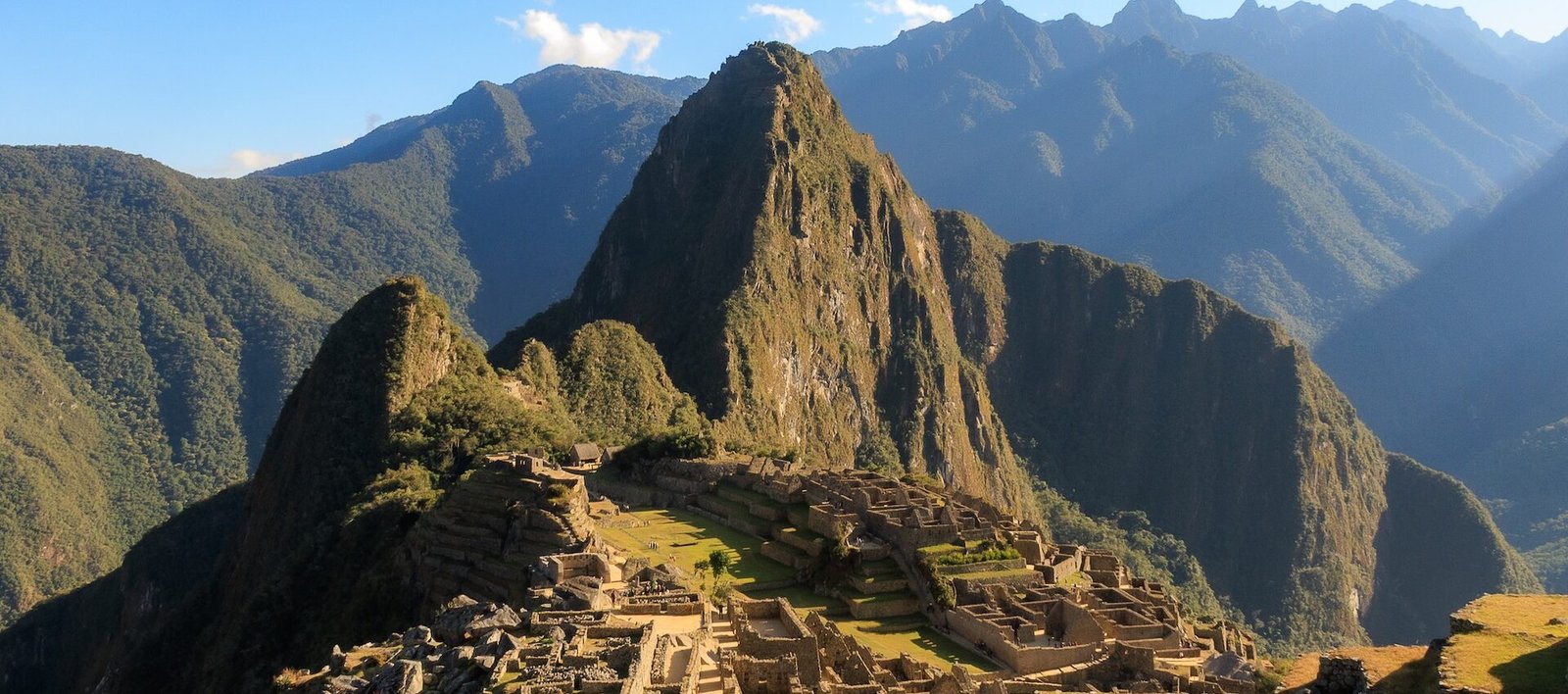
Two hours later, we arrived at Intipunku, the Sun Gate. From high up on the mountain, Machu Picchu finally appears before us. Then come the tight embraces, spontaneous tears, and emotions of a dream fulfilled. All the fatigue from the trail seems to concentrate in that single moment.

This was the most important religious center of the Inca Empire. It had an agricultural area, a residential area, an irrigation system, storage, security checkpoints, and temples dedicated to the study of astronomy. It was here that these cultured people, advanced in science, engineering, agriculture, and community, connected even more deeply with nature, animals, and the different planes of the universe. The massive carved stones along the sacred mountain give us a glimpse into a small fraction of the impressive achievements of our ancestors.

For the past few
years, access to Machu Picchu has been organized into specific routes that must be reserved in advance. The Inca Trail package includes two routes, although it is possible to purchase additional tickets to explore other sections of the
Sacred City.

The trail to Machu Picchu taught me that there is a story around every corner and the body can carry us much further than we imagine.

It also taught me that empathy does not require a common language, and that shared projects are possible when walking in the same direction. As the Andes fade into the distance, I am left with Lourdes’s smile as we said goodbye, with the Apus that accompanied our steps, and with the certainty that, after four days of walking toward a sacred city, the true journey remains within oneself.

Machu Picchu—the Sacred City
From the Puerta del Sol, the view of Machu Picchu, the Sacred City, takes our breath away. Modern humans will never be able to fully understand what it meant to the Inca people, much less the wealth of knowledge they brought together in their incredible architecture.

Useful Information

From North, Central, and South America and the Caribbean, Copa Airlines offers daily flights to Lima through the Hub of the Americas in Panama City. From Lima, connect to Cusco via a domestic airline.

Phuyupatamarca- Machu Picchu

The agency we chose for our trip was TreXperience, a fully local agency founded by a former local guide that guarantees your safety and that of its team.

Phuyupatamarca - Machu Picchu

Special Recommendations

Trekking permits for the Inca Trail are regulated by local authorities and spots are strictly limited. Make sure to book well in advance.

To hike this trail, you must travel with a guide from a certified agency. Find out which agency best fits your needs. Always ask about how they ensure the safety of the porters.

Train mind and body before leaving, as it is not just about reaching the finish line, but about enjoying the journey.

Pack only what is strictly necessary. Every bit of weight counts, and you will soon discover that the only indispensable things are water and a good camera.

Follow all recommendations from the guide and remember that you are walking through a park that safeguards the historical heritage of an entire continent. Respect the ruins and their significance.

Share

Leave a Reply

Your email address will not be published. Required fields are marked *

aa