

Camino Real: The First Interoceanic Route Before the Canal
- January 6, 2026
Discover the Royal Road of Panama, a historic journey through jungle, rivers and colonial vestiges that reveals the origin of the interoceanic transit and the essence of the country.
By Alexa Carolina Chacón
Photos: Rommel Rosales
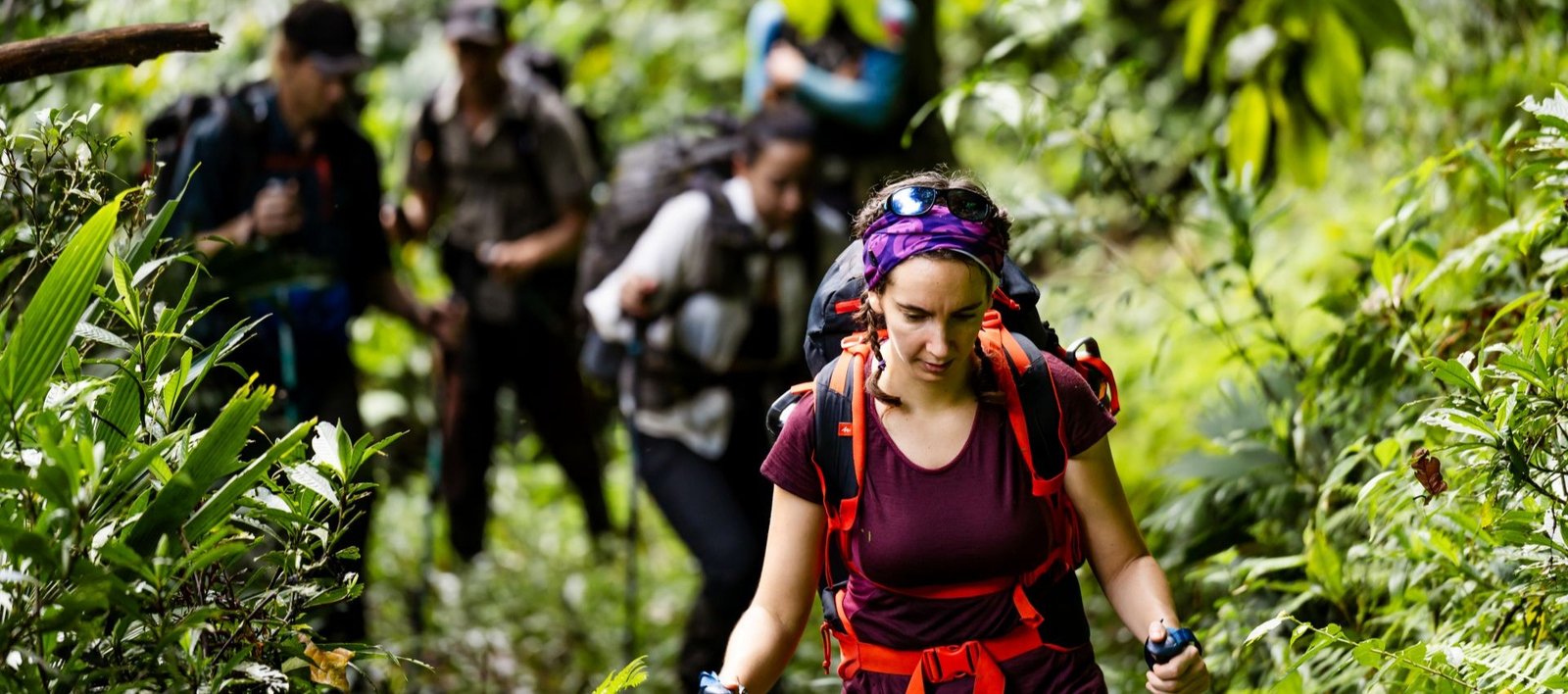
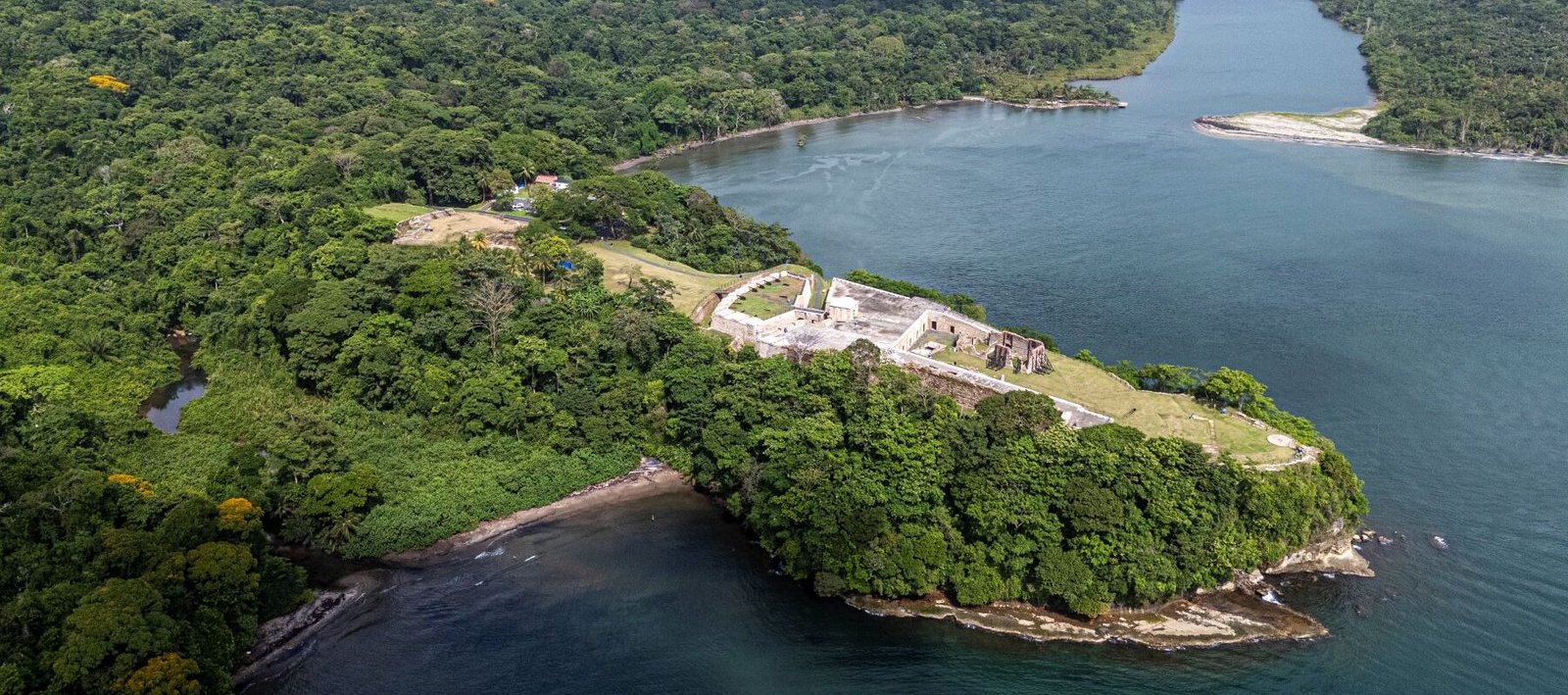
Before the Canal, the French plans, and the railroad, Panama was already an indispensable route for the world. One of its most legendary—though least explored—roads is the Camino Real, the colonial artery that connected the old Panama City with the port of Portobelo on the Caribbean coast.
At the beginning of the 16th century, after the conquest of the Inca Empire, the Spanish needed an efficient route to transport gold and silver from Peru to Europe. This led to the creation of the Panamanian interoceanic land transport system, comprised of two main routes. From Panama Viejo, riches could be transported entirely overland via the Camino Real (Royal Road), which connected the capital with Nombre de Dios and, later, with Portobelo, where Spanish galleons awaited. This route coexisted with the Camino de Cruces (Road of the Crosses), which combined land and river journeys and was primarily used for transporting people.
Panorama de las Américas completed the original Camino Real trek in an expedition that combined history, nature, and physical endurance. The hike was led by Rick Morales, director of Jungle Treks and one of the foremost experts on the Panamanian rainforest. A professional hiker since 1999 and a native of Volcán, Chiriquí, Rick has explored the most remote corners of the country with a deep understanding of its history, geography, and biodiversity.
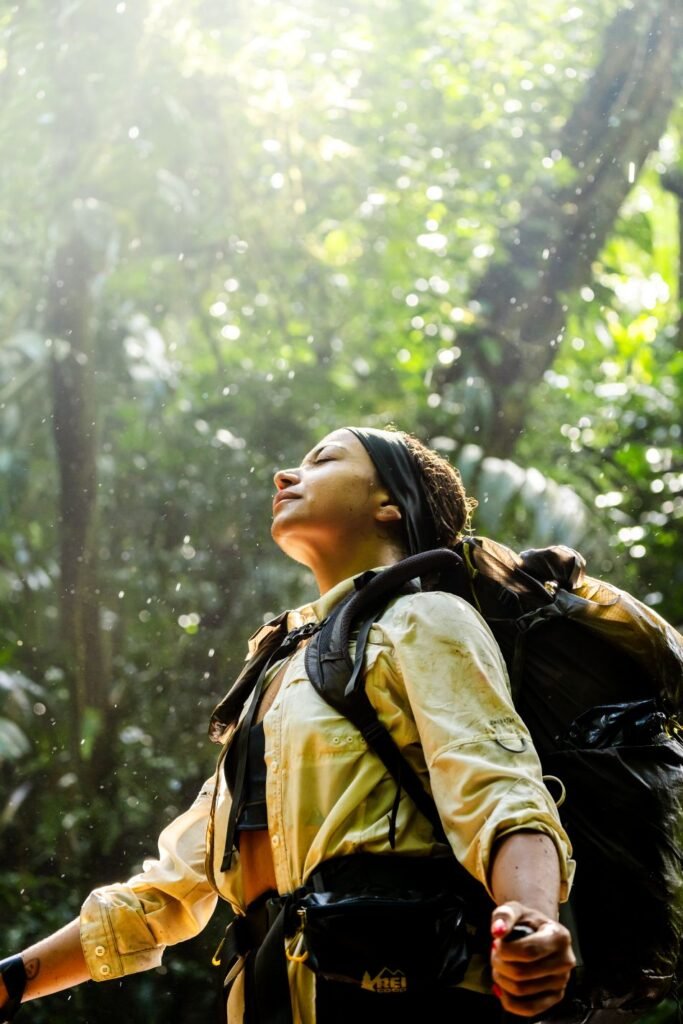
The Camino Real didn’t just move treasures: it moved cultures, languages, exotic goods, and above all, power. It was a key route for the Spanish Crown, operational for more than two centuries and a constant target of pirate and privateer attacks.
Together with the Camino de Cruces, the Camino Real is part of the colonial system declared a World Heritage Site by UNESCO.
Day 1: Where the past still lingers
We began our trek in Boquerón, Colón province. We arrived by car, already dressed in appropriate hiking gear. The first thing we encountered was mud: a steep climb through subsistence farms, past cattle, mud, and shade. Descending the narrow trails, I recognized where cows had recently passed; my foot sank into the dung almost halfway up my instep. I understood then the importance of tactical boots securely laced above the ankle.
It’s an 8.5-kilometer hike, and as you gain altitude, the colonial cobblestones begin to appear among the vegetation—a relic of another era. Irregular stones, polished by centuries of human, animal, and water traffic. It’s believed they were quarried from the nearby riverbeds. Today, local residents walk along this path as if it were nothing: more than a historical vestige, it’s part of their daily lives.
Almost seven hours later, we reached the banks of the Mauro River, and our racing hearts finally calmed. No more hills for the day. On the other side, the community hostel of Santa Librada awaited us, where we set up our first camp. Then began a routine that would be repeated every afternoon like a survival ritual: we hung our hammocks between the trees, marked out that intimate space to leave our boots, organize our backpacks, and dry whatever we could.
Later, we gathered at the communal camp to share “dinner”: freeze-dried, vacuum-sealed meals cooked with water on small portable stoves. Light came from headlamps; sound, from the forest. The next day, the ritual was repeated, this time accompanied by Panamanian coffee.
Day 2: The jungle closes in, the river guides us
On the second day, we entered virgin rainforest, and the trail began to follow the Boquerón River upstream. The distance traveled no longer mattered; now, the most important thing was the ability to adapt to the environment. Along the way, we came across the ruins of a bridge and rusted locomotives, remnants of a mining company that searched for manganese in the early 20th century. Hollywood would spend millions recreating a scene like this for a Lara Croft or Indiana Jones movie.
Beneath the bridge, the water is turquoise. Here originate the tributaries that feed the Panama Canal watershed, reflecting Panama’s power of connection as a nation.
On hikes like these, you must carry everything you need yourself. Essential items include jungle boots, gaiters, a hammock with a rain cover, a raincoat, a headlamp, a water filter, and quick-drying clothing. It is imperative to pack with an expert guide.
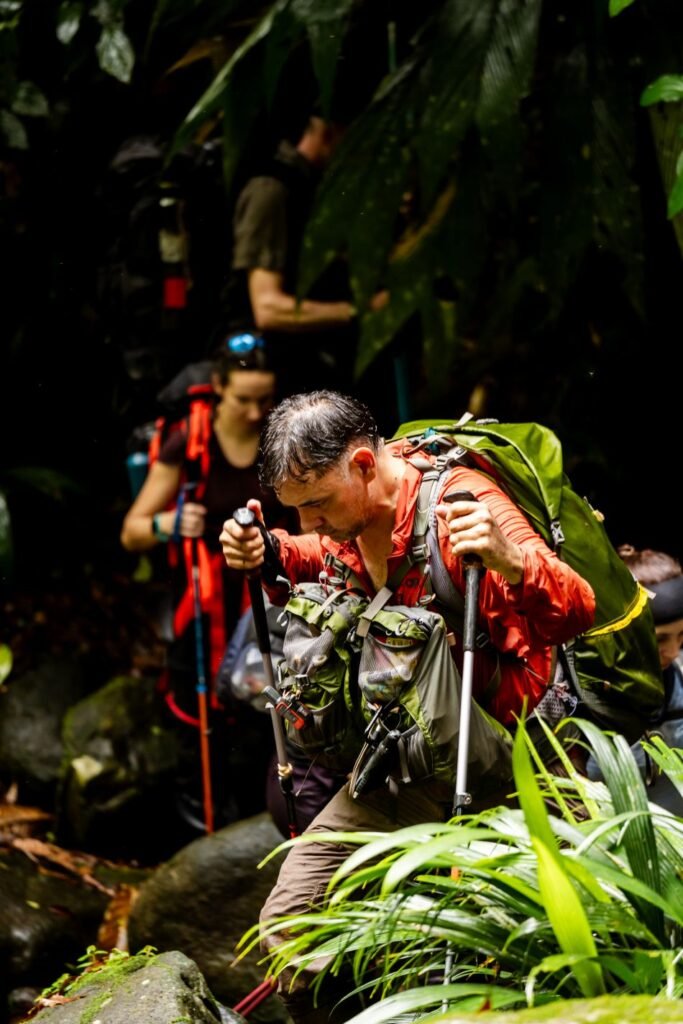
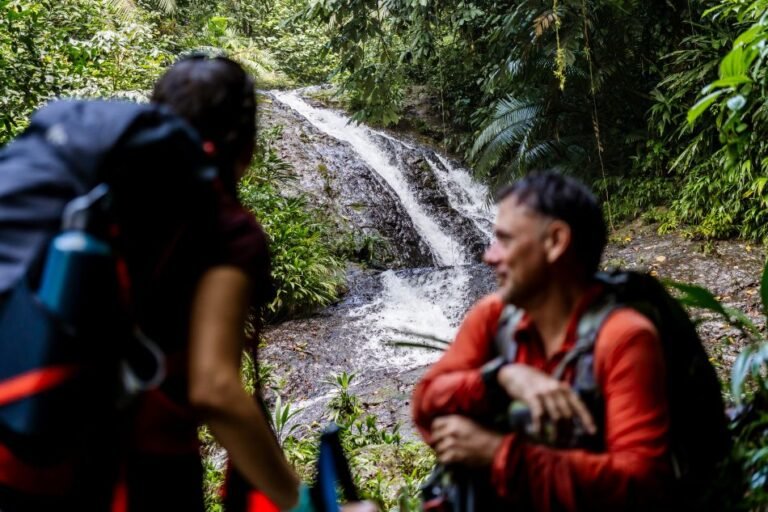
Rick explains the colonial roads and their historical significance to us. The French tourists accompanying us listen attentively; they are determined to experience Panama from the inside. We finish the day after an 11-kilometer hike, in a secluded spot next to a small waterfall. We set up camp in a place that feels very close to paradise.
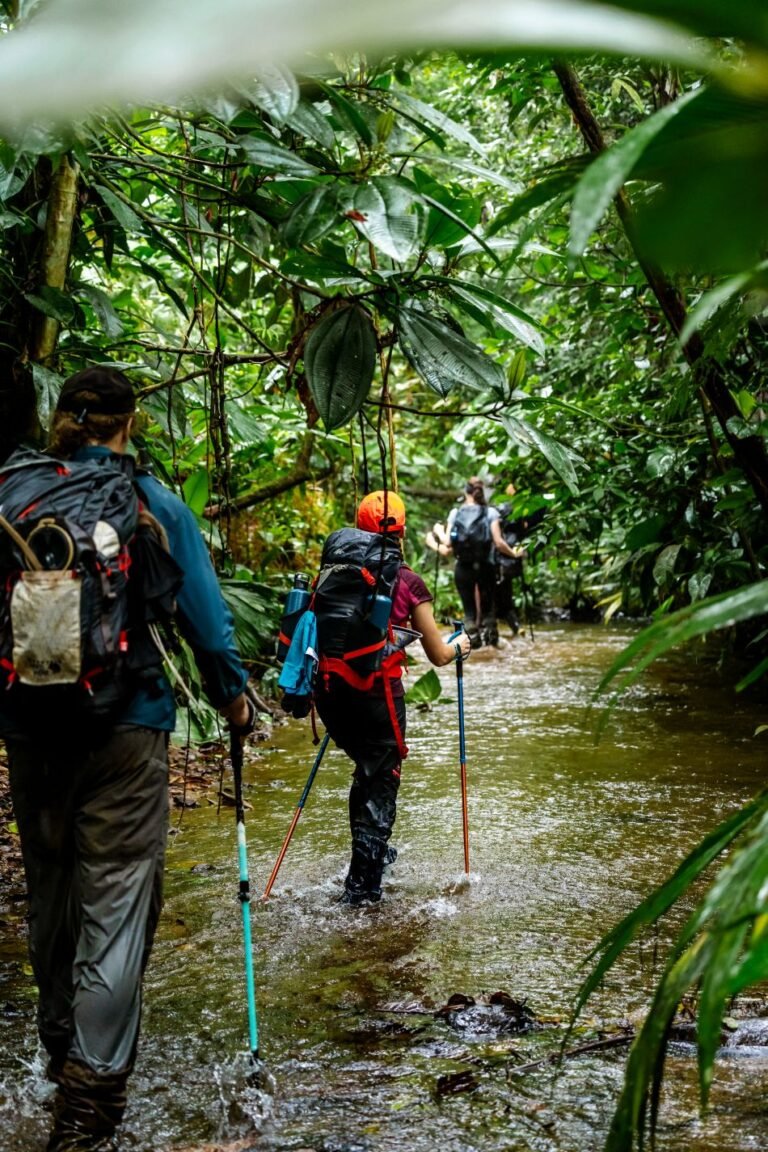
All day we’ve been soaked by the rain, sweat, and constant river crossings. The hammock’s canopy protects us from the night’s mud. Suspended among trees that have stood for centuries, our bodies finally rest.
Day 3: The challenge of the untouched
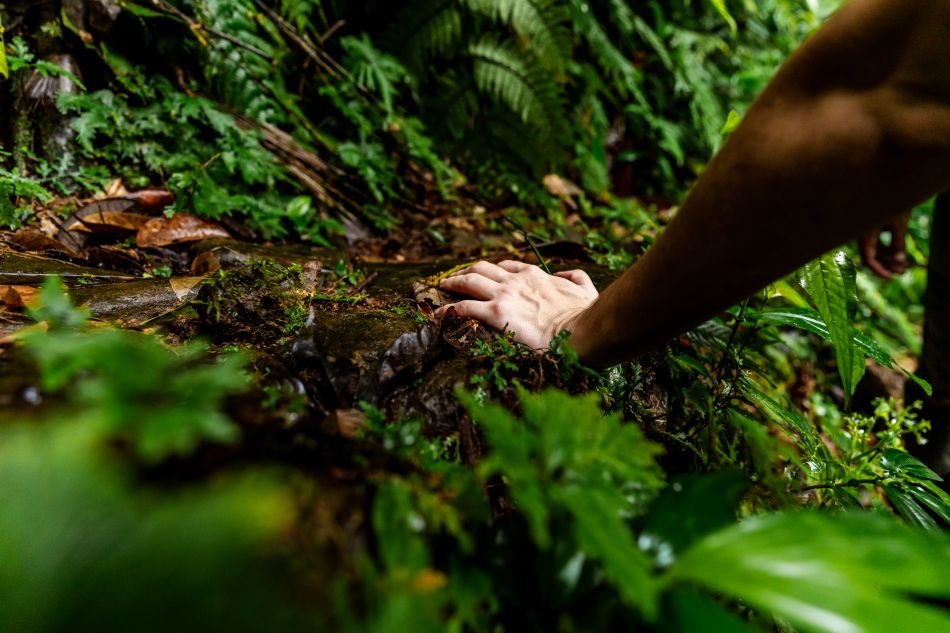
This is the most technical and challenging day, both for the body and the mind. The path is made up of mud hills and what geologists call bedrock: the rock that, simply put, acts as the planet’s “crust.” Water makes it especially slippery. In this section, something extraordinary appears: steps chiseled directly into the rock, still visible after centuries. Sculpted footprints that confirm this path was conceived, traveled, and endured in another era.
We entered the Longué River and made our way alongside waterfalls that demanded absolute precision to avoid accidents. Being deep in the virgin rainforest, with no towns or civilization nearby, turned everything I thought I knew about the natural world upside down. There was no silence, but neither was there noise: a constant orchestra of insects, creaking branches, and dripping leaves enveloped everything. The humidity became a second skin, and our hearts raced. The 6.5-kilometer stretch took us eight hours.
We camped at Río Cascajal, possibly the wildest—and also the most beautiful—point of the entire route. A nearby waterfall reminds us that here, water reigns supreme. We are merely visitors.
The Camino Real crossing must be undertaken exclusively during the dry season (January–April).
The route involves multiple river and tributary crossings which, during the rainy season, can suddenly swell, become dangerous, and make passage impossible even for experienced hikers.
Day 4: The departure, the silence, and the full soul
The final day is longer in distance, but faster: 13 kilometers covered in half a day. We leave the deep jungle behind and signs of civilization begin to appear: small farms, wider paths, and the rumble of a nearby highway. The vegetation thins out and the light changes. We arrive on the outskirts of Portobelo, where a bus awaits to take us to the town center. Once there, it’s almost impossible to take in everything we’ve experienced in the last three days.
Fewer than 50 people complete this trek each year. The experience is intimate, transformative, and challenging. Thanks to the work of Jungle Treks, it also represents an opportunity for positive impact on nearby communities, which provide food, transportation, and logistical support at the campsites. Here, you walk with respect, guidance, and purpose.




Leave a Reply