The Churches of Panama’s Old Town: A Heritage Reborn
By: Margarita de los Ríos
Photos: Javier Pinzón
- December 1, 2025
After more than a decade of restoration work, the colonial churches of Panama’s Old Town reopen their doors as part of a new and unprecedented cultural and tourism circuit.
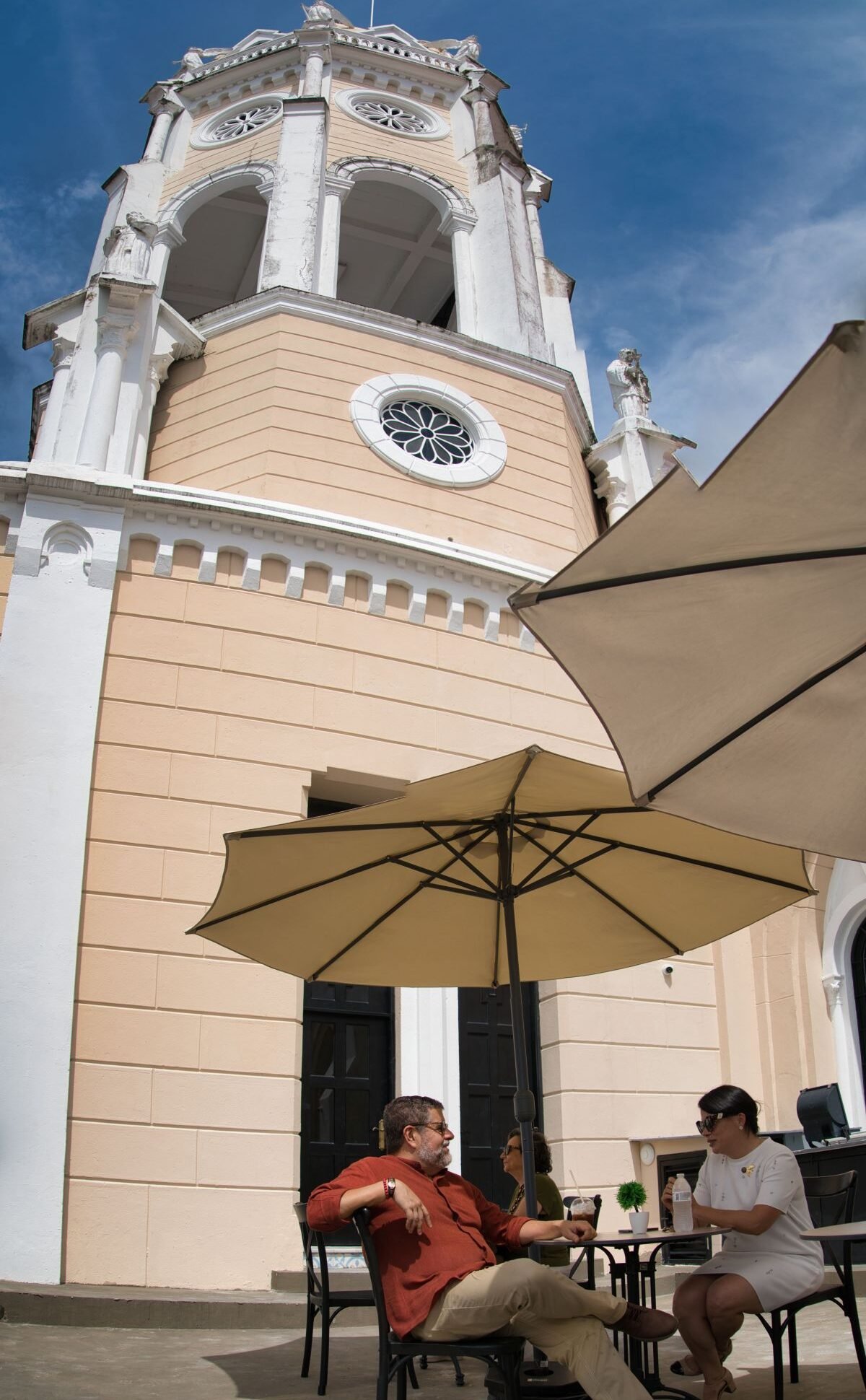
We slowly climb the 142 steps that lead to the bell tower of the Church of San Francisco de Asís, the highest point of Panama’s Casco Antiguo. As we listen to the explanations of architect María Isabel Arrocha, director of the Public Program for the Churches of the Casco Antiguo, each step seems to take us not only higher up, but also back in time. From the windows we contemplate the layout of a 17th-century colonial city that still preserves, within its solid walls, the echo of Panamá Viejo and the shadow of the destruction caused by pirate Henry Morgan’s 1671 attack.
But this staircase—leading us 82 feet above the ground—also symbolizes modernity. It represents the culmination of a long process, begun in 2013, that has brought new life to the churches of the Casco Antiguo and transformed them into spaces for tourism and culture. Today, these places of worship invite not only spiritual contemplation, but also the chance to enjoy a coffee, watch the sunset from a terrace, or take part in an escape room to “rescue the bishop.” The funds raised will help ensure the buildings’ self-sufficiency, after having been saved thanks to multi-million-dollar donations.
A crusade for heritage
Behind this feat stands Ricardo Gago, a Spanish-born entrepreneur entrusted by Monsignor José Domingo Ulloa with leading the restoration. While balancing family and business responsibilities, Gago managed to bring the project to life. With support from the Friends Committee of the Churches of the Old Town (CAICA), he raised nearly 30 million dollars—five million of which were allocated solely to the Cathedral—and now proudly showcases the results of that effort.
“When we took over the churches 13 years ago, the only one holding religious services was La Merced,” recalls Gago. “San José had opening hours that were so unpredictable that many Panamanians—and countless tourists—had never seen it open, and San Francisco was completely flooded due to a collapsed roof.”
The current phase of the project, which seeks to make these churches self-sustaining, is supported by Visa, Copa Airlines, and Gotuuri. Since its official inauguration on November 19, both locals and visitors have been able to access tourist information centers located in the Church of San Francisco de Asís, the Metropolitan Cathedral, and the Church of La Merced.
This collaboration between the Church, the Panamanian state, and the private sector is a pioneering project in the region and stands as an example of best practices for the conservation of cultural heritage. Its aim is to modernize, highlight, and share authentic experiences through a cultural tourism circuit that includes six colonial churches, a lookout point, and two museums, one dedicated to religious art and the history of Panama, and another showcasing an extensive collection of contemporary Latin American art.
The income generated will cover maintenance costs—such as air conditioning, conservation tasks, and architectural interventions related to the restoration of the churches (structural concerns, altarpieces, roofs, and cleaning)—and will also help promote awareness and expand the content and audience in local schools.
San Francisco de Asís: The Return of the Guardian of the Sea
After Morgan’s attack in 1671, the King of Spain ordered the construction of a new city, assigning each religious order an area to rebuild its churches and monasteries. The Franciscans remained there until the mid-19th century, when the order was expelled from the Isthmus. Their church went through several uses before falling into abandonment. It was rebuilt in 1918 through an effort that incorporated new elements—such as the tower we climb today—while preserving its old walls and cobblestone floors.
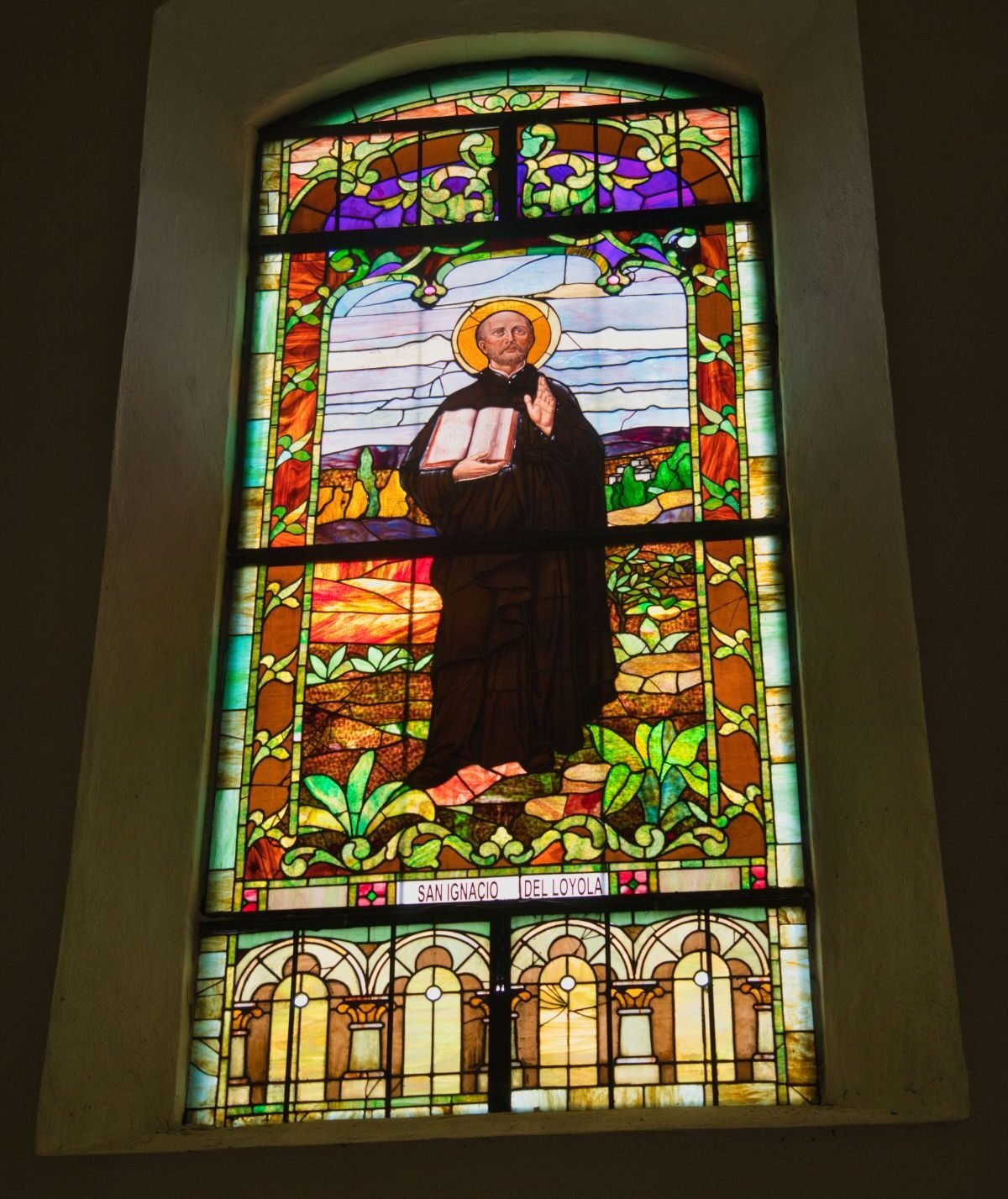
At the start of the 21st century, it again fell into disrepair and was abandoned. Today, fully restored, it welcomes visitors with an animated projection of Saint Francis of Assisi himself, who greets visitors in digital form. Similar installations can be found in other Old Town churches: San Pedro Nolasco at La Merced, San Agustín at San José, Fray Tomás Berlanga at the Cathedral, and San Felipe Neri in its oratory.
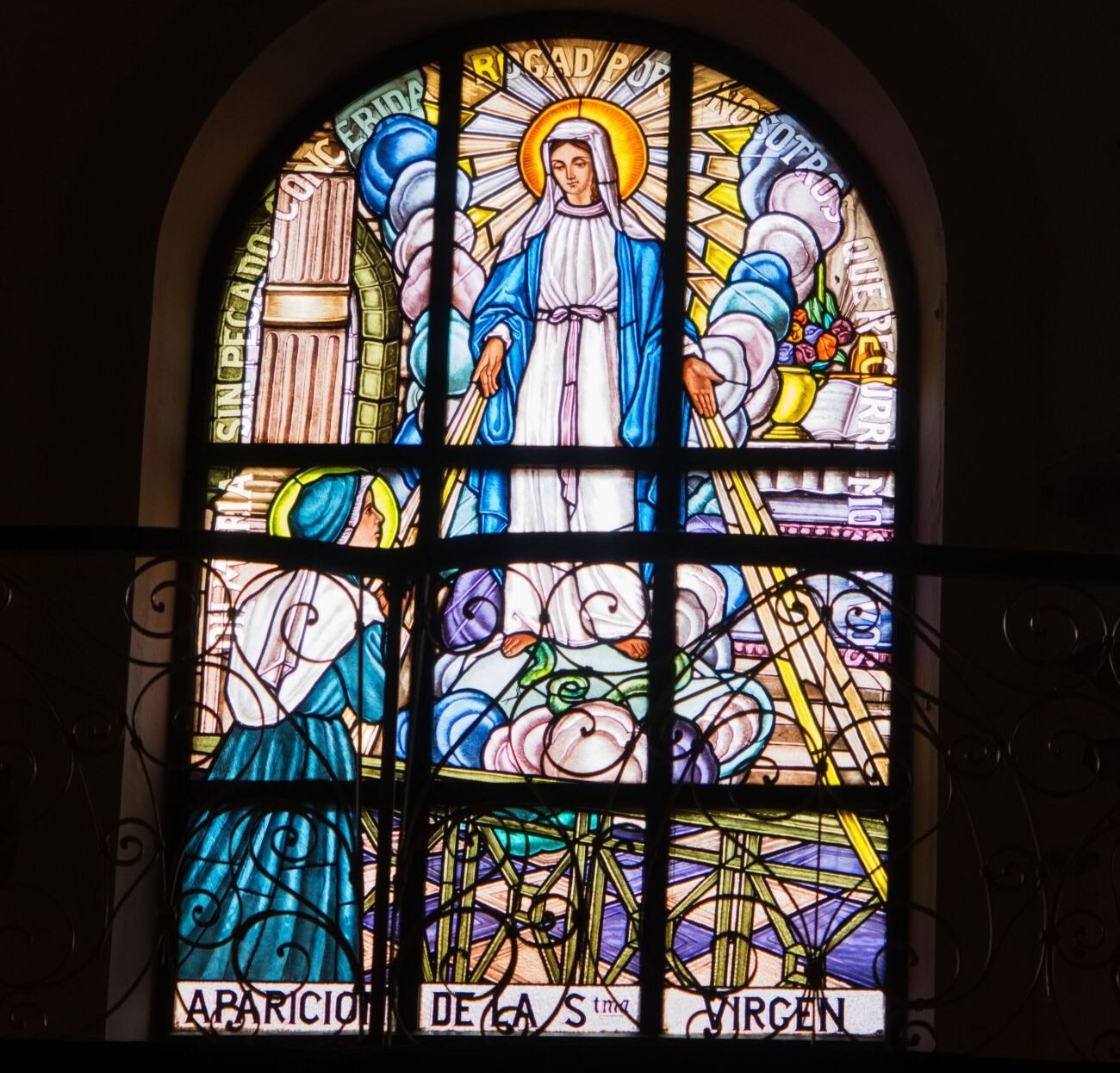
For decades, the churches of the Old Quarter were seen as silent relics of the past. Today, thanks to an ambitious restoration process, they are alive once again. They are no longer just religious temples: they are vibrant spaces where history, art, and faith intertwine to tell, once again, the story of Panama.
On the second floor, a large hall hosts the “Menos de Mil” fair, a contemporary art initiative held twice a year that offers original works by local artists at accessible prices.
Behind the choir, Alec’s Café invites visitors to enjoy a Chiriquí coffee while taking in partial views of the Old Town from the terrace. The space is also available for private events and intimate dinners with a personal chef.
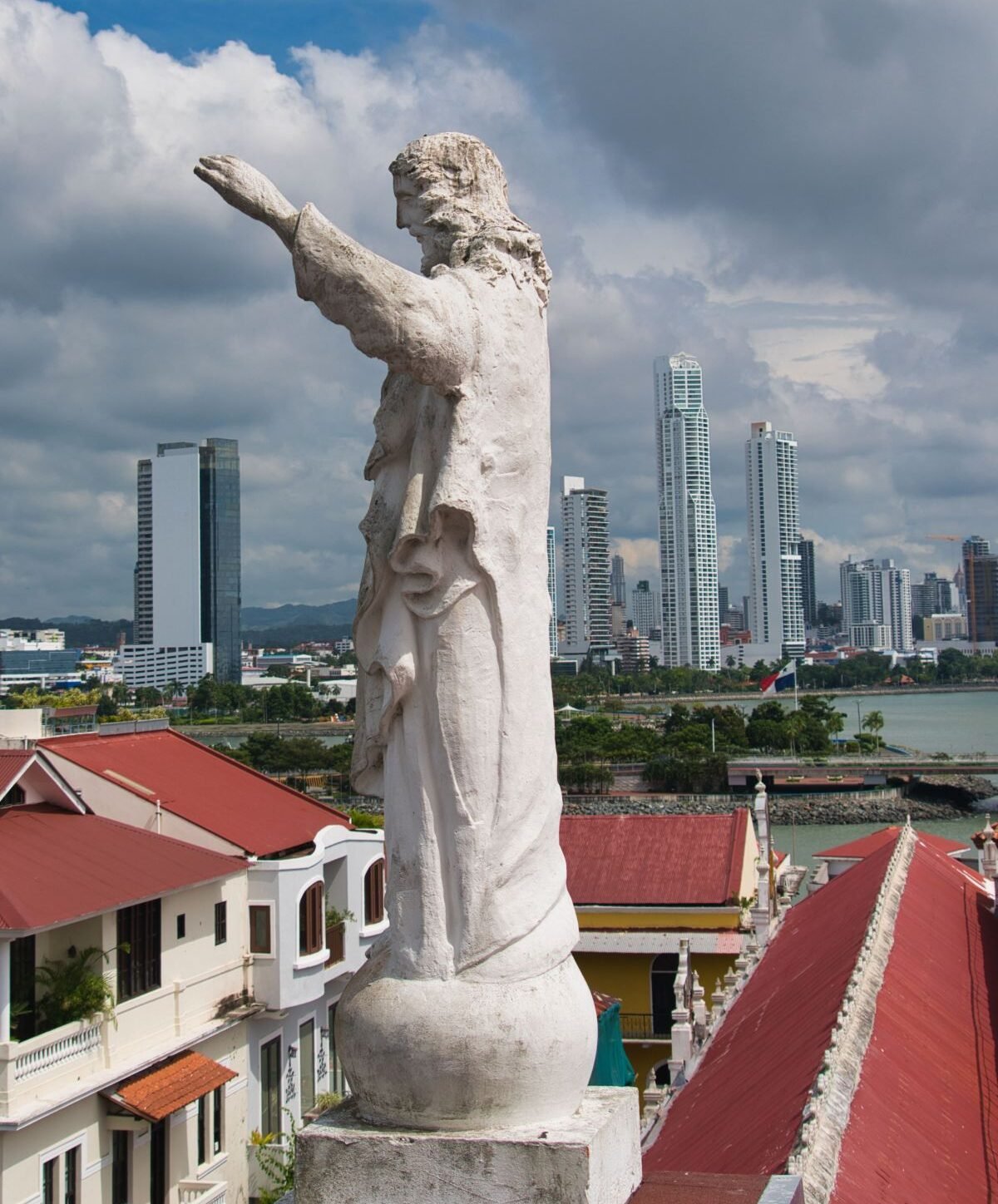
From the top of the tower, which has an octagonal dome and rose windows, an unforgettable panorama unfolds: red rooftops, bell towers and, in the distance, Panama Bay, serene under soft light.
La Merced: Between History and Play
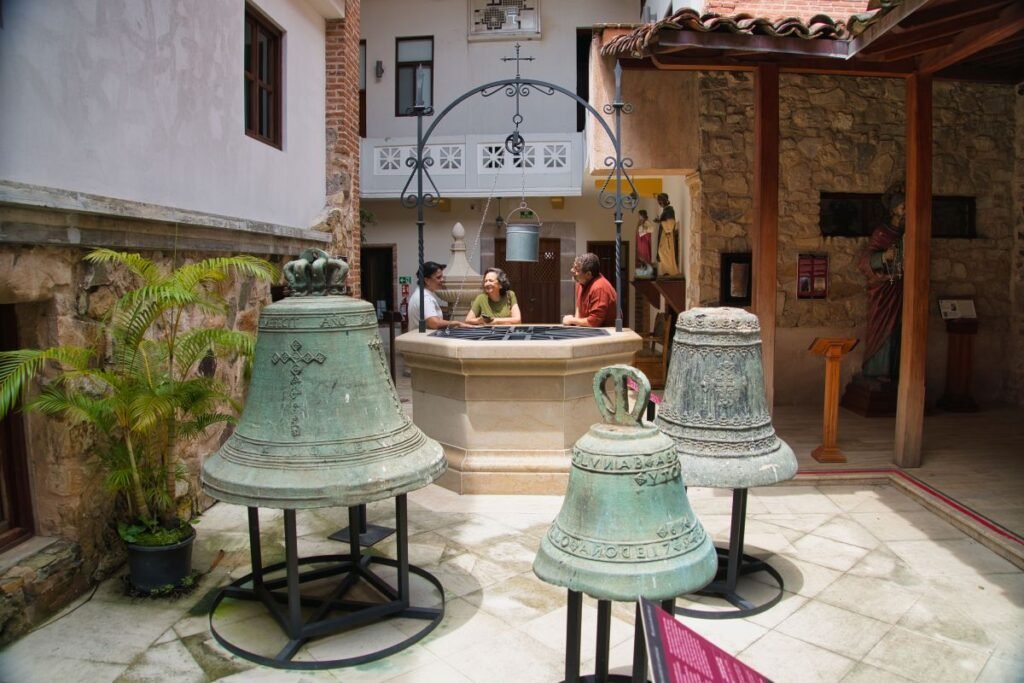
The Church of La Merced is perhaps the boldest of the circuit. The only church that still holds regular religious services, it now also houses a museum, a digital collection of historical books, a talking well that narrates its history, and a courtyard displaying the original bells of the other churches. An interactive space even offers the game “Guardians of History,” an escape room where groups of eight or more can solve puzzles using clues found in the museum.
The story of this church is the story of the city itself. The old church survived Morgan’s attack because the pirates used it as a barracks. When the new city was founded, the Mercedarians transported its façade along the bay in small canoes. Once installed, they discovered that it did not align with the new church’s roof angle, and even today—three and a half centuries later—the old walls jut out behind the façade like bat wings: a tangible reminder of the link between past and present.
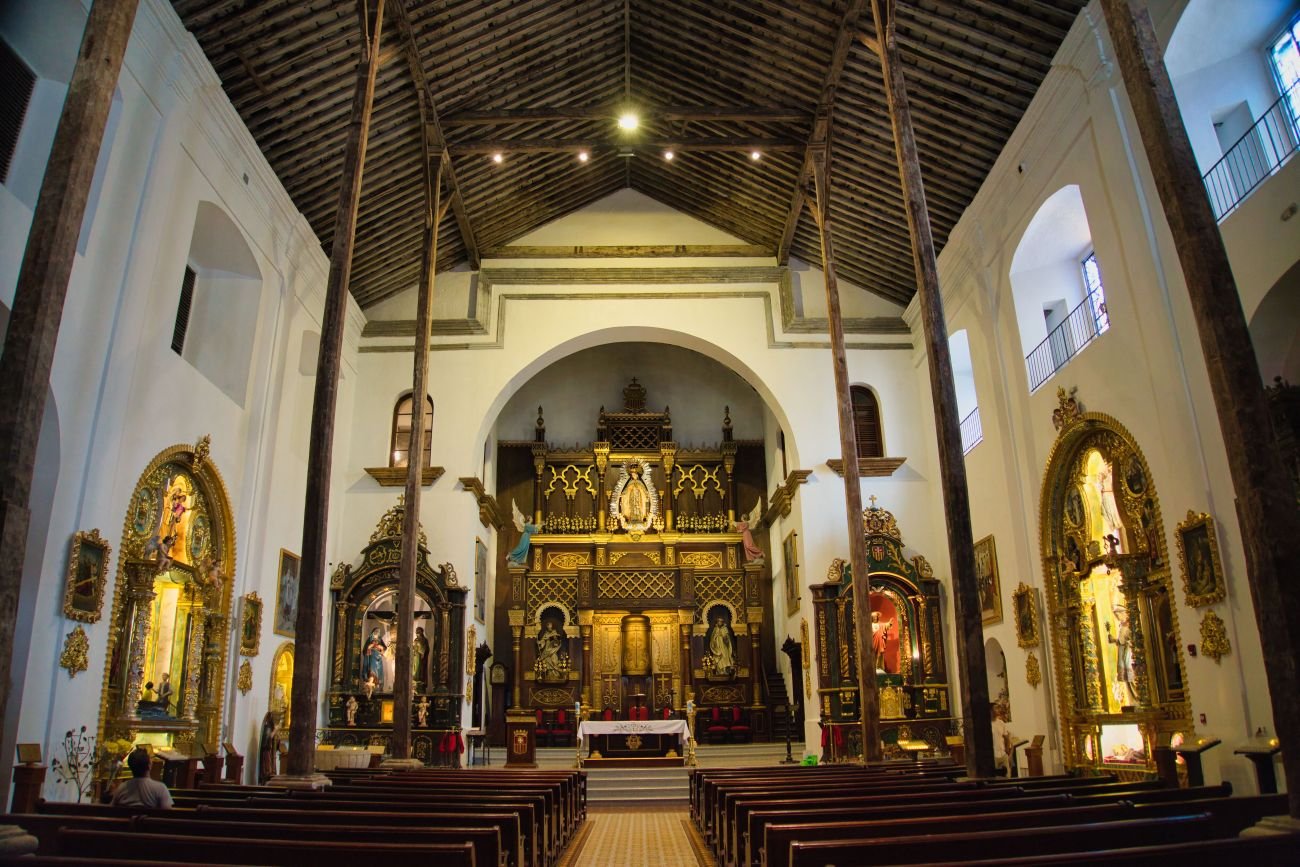
Among its treasures are 72-foot níspero-wood columns, freed from the coating that had concealed them since 1964, and the original wooden ceiling, also restored. Only one column was replaced, but the original—over three centuries old and carved from a single 43-foot trunk—is displayed for public admiration.
The museum safeguards liturgical objects, ornaments, Mercedarian records, and 110 books documenting births, marriages, and deaths from the colonial era. These books, which were restored in a monastery in Zaragoza, can now be consulted digitally.
San José, the Cathedral, and the Oratory
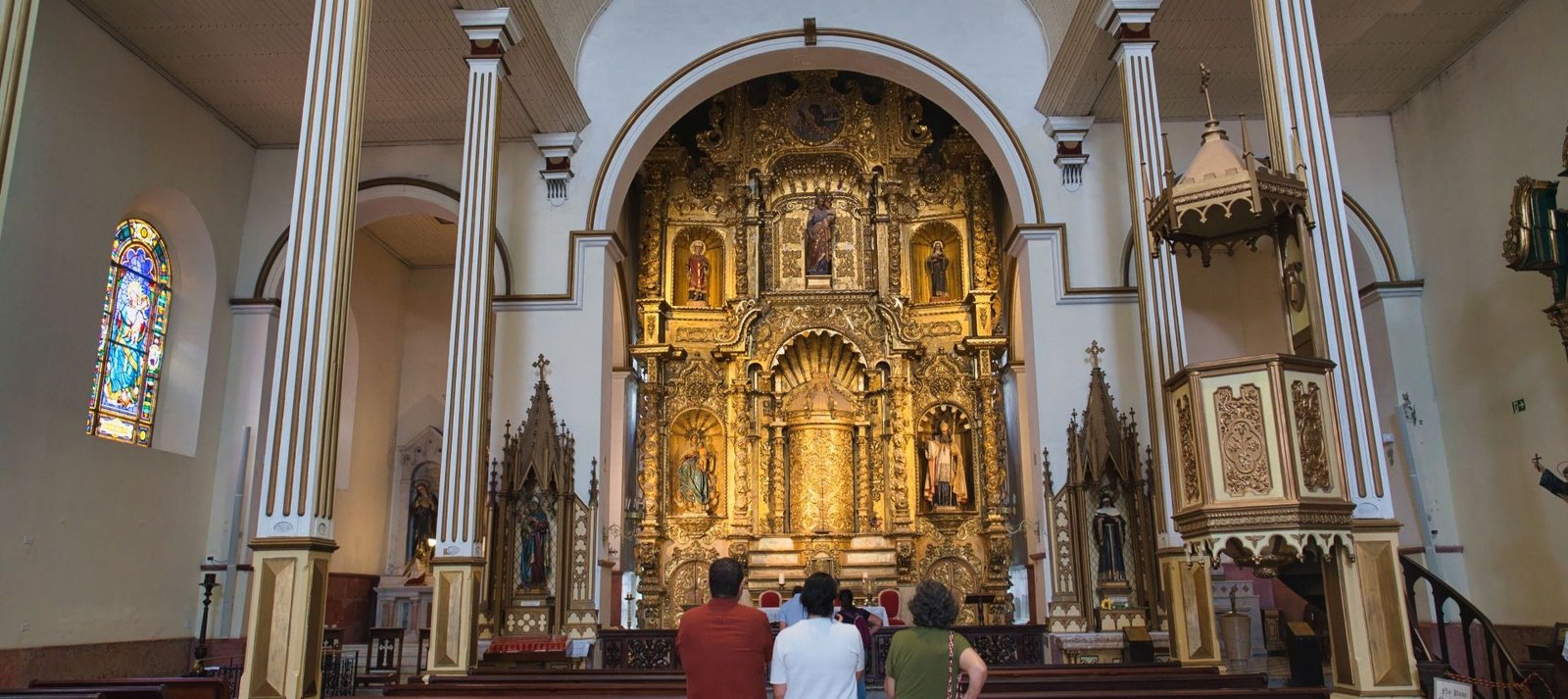
San José, the Old Town’s second most-visited church—famous for its golden altar—will soon enter a new restoration phase to become a concert hall. Its origins date back to 1620, when the Augustinians built a small convent outside Old Panama. The church in the new city was completed in 1675.
Legend has it that its main altarpiece was saved from the pirate raids, though in reality, it was carved in 1730, likely by an artist from the Quito school.
The Metropolitan Cathedral, meanwhile, witnessed two decisive moments in Panama’s history: independence from Spain in 1821 and separation from Colombia in 1903, both celebrated in the square it presides over.
Construction on the Cathedral began in 1688 and was completed in 1762. The stone façade incorporates details brought from Old Panama, and the interior was completely remodeled in 2018 by order of then-President Juan Carlos Varela. The state invested 12 million dollars, while CAICA contributed another four. The two hundred wooden pews, crafted from Panamanian wood by cabinetmaker Hernán Guardia, were donated by the country’s faithful and families.
The Cathedral houses pieces as ancient as the 18th-century cedar main altar—combining baroque and neoclassical elements— and as contemporary as a tribute to Carlo Acutis, the “millennial saint” or “cyber apostle,” canonized just a few months ago.
A few meters away stands the Oratory of San Felipe Neri, a French-style gem hidden behind a building in Plaza Bolívar. Built in 1688, it was destroyed by fires in 1732 and 1756, rebuilt in 1855, and modified in 1913, when a cement roof was placed over its original paintings. Today, after restoration, it can once again be admired in its full splendor.
Old Town Museum of Modern Art (AMCA)
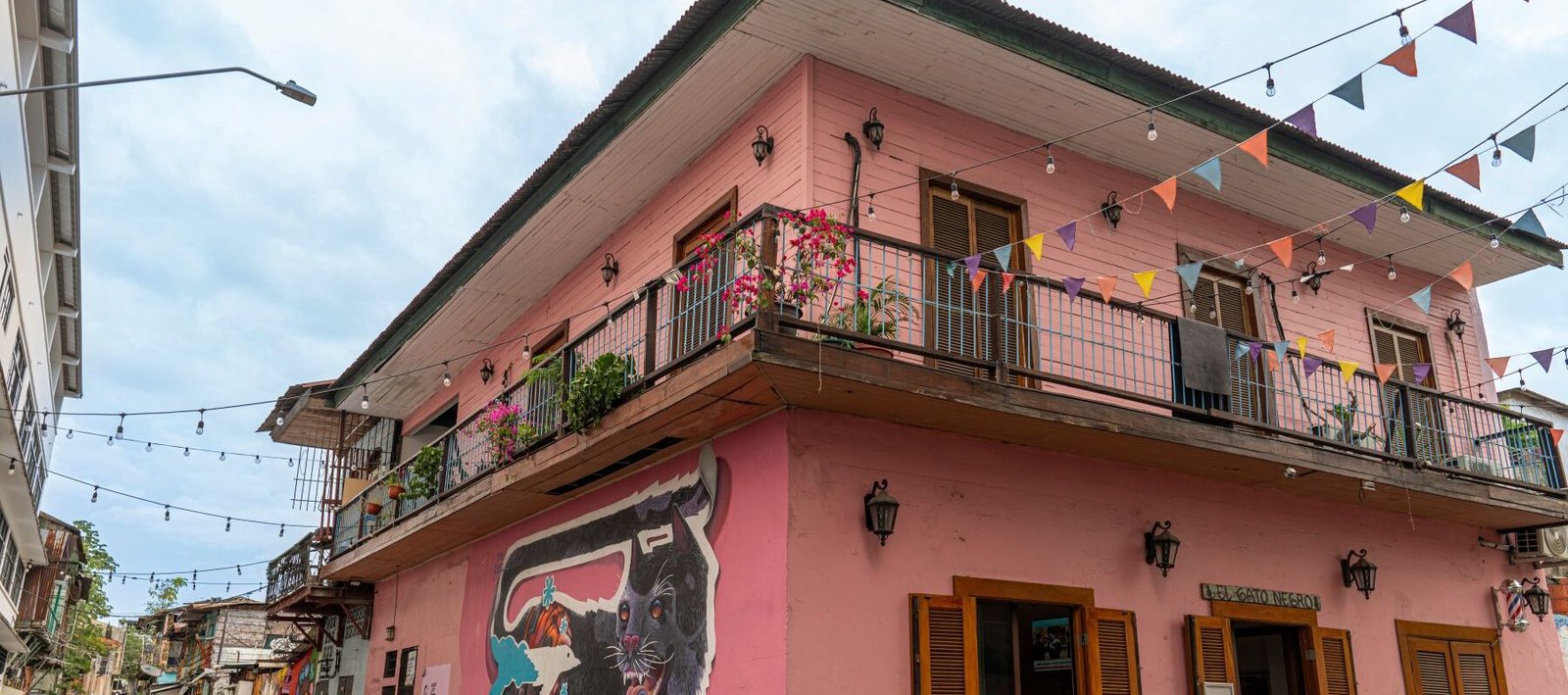
The circuit concludes at the Old Town Museum of Modern Art (AMCA), located in a small three-story building that once belonged to the Convent of Santo Domingo, built in 1687. AMCA serves as a bridge between the colonial past and contemporary avant-garde art.
Its halls house more than 130 works by 120 artists from Latin America, Europe, and Asia, including Jesús Rafael Soto, Julio Le Parc, Beatriz González, Takashi Murakami, and Fanny Sanín. Among the most prominent movements represented in its collection are the Constructive Universalism of Uruguayan Joaquín Torres García and kinetic art, promoted by Venezuelan and Argentine artists in 1950s Paris.
Amid this fusion of history and modernity, the colonial churches stand as a new cultural and tourism attraction. Panama’s Old Town, declared a World Heritage Site by UNESCO, not only preserves its memory—it reinvents it.
Leave a Reply